 Ozikoro
Places in the archive
Clans, towns & communities
Choose a people, a division, a clan or a town to narrow the register, or search for a name. Either way you reach the histories, photographs, recordings and records connected to a place.
How the register is organised
A people sharing a language and identity, such as Igbo or Ijaw.
A regional grouping within a people — Northern, Western, Riverine Igbo and others.
The level below a division — Ika, Enuani, Ngwa, Ụ̀mụ̀nrì — including confederations and sections.
The communities recorded inside each clan, each with its own histories.
Calling both a division and the level below it a “tribe” leads readers to think one people are several. The register keeps the words apart.
Igbo
Register entries
188 entries
 EbonyiUnwanaView connected records →EbonyiAkaezeView connected records →AbiaNkporoView connected records →AbiaAbamView connected records →AbiaOhafiaView connected records →AbiaAbiribaView connected records →AbiaUtutuView connected records →AbiaIsuView connected records →AbiaArochukwuView connected records →AbiaIhechiowaView connected records →AbiaAroView connected records →EbonyiEzzaView connected records →EbonyiIkwoView connected records →EbonyiMgboView connected records →
Featured places
Towns with photographs
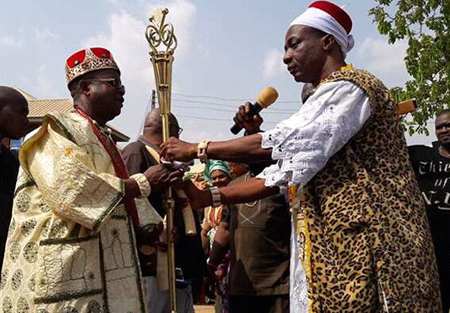
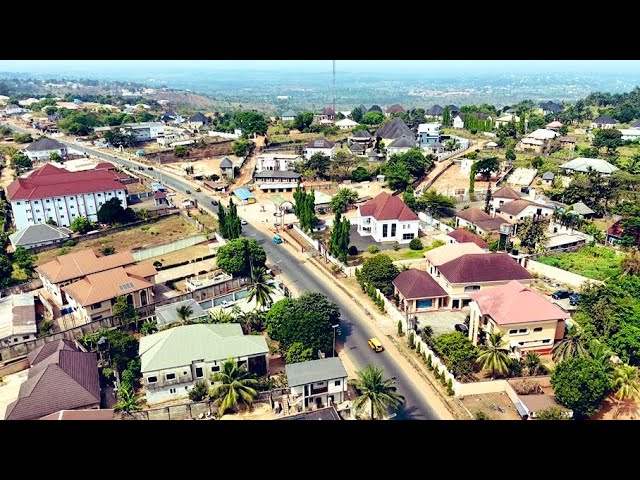
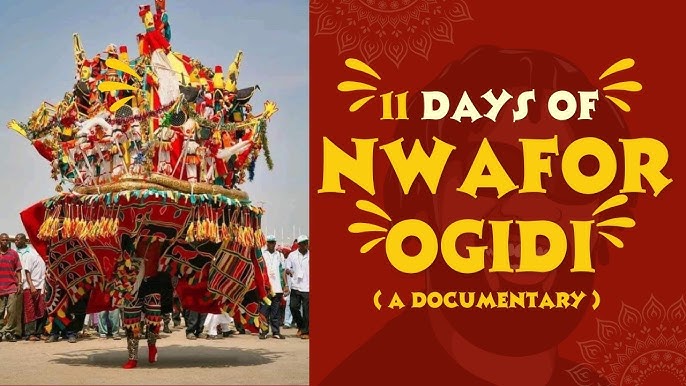
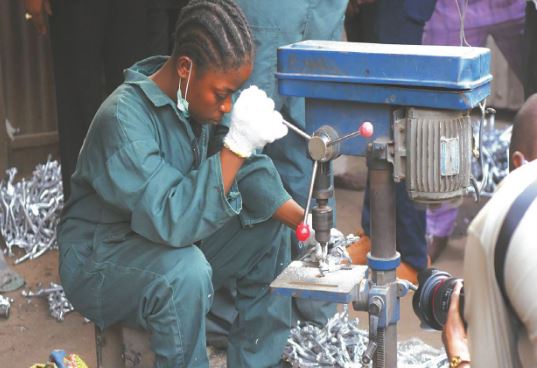
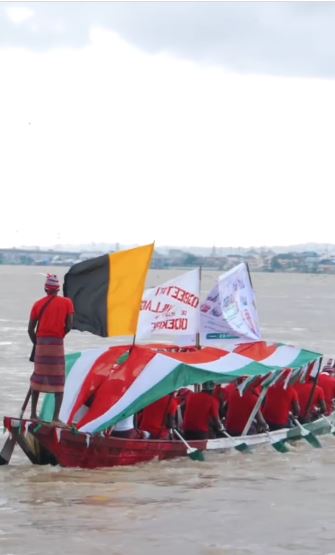
All 188 entries the archive holds. 124 clans, 37 towns, 17 sections, 7 confederations, 2 kingdoms, 1 grouping. Every one is a row in the archive’s own database, which the dictionary and the academy read as well — an entry filed without a region says so rather than being given one, and an entry with no towns recorded says that too. The register’s six divisions and its regions are listed in full.