 Ozikoro
 Historical Studies · Published history
Carabalí Isuama: Preserving Igbo Heritage in Afro-Cuban Culture
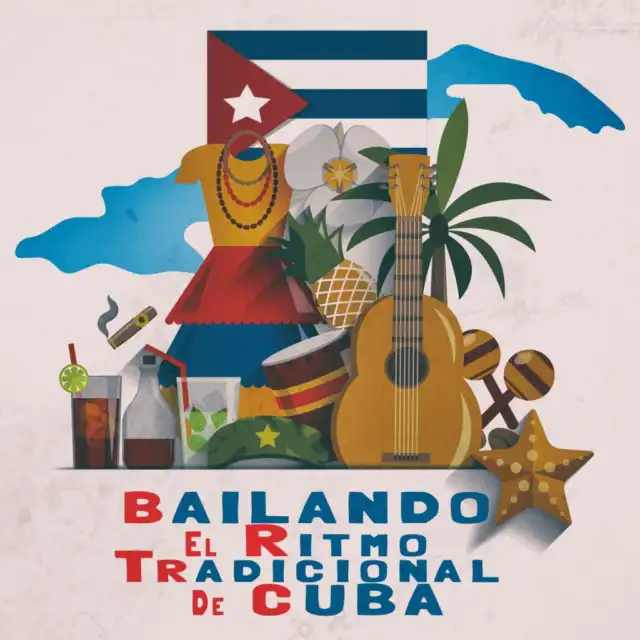
The Carabalí Isuama is a notable Afro-Cuban cabildo (mutual aid society) with deep roots in the African diaspora, specifically among Afro-Cuban communities. Originating from the Isuama region in south-central Igboland, Nigeria, the Carabalí Isuama people were among those forcibly taken to Cuba during the transatlantic slave trade. In Cuba, enslaved Africans established cabildos, social and religious organizations that helped preserve their cultural traditions, spiritual beliefs, and social structures. The Carabalí Isuama cabildo stands out as a key custodian of Igbo heritage within the Afro-Cuban cultural landscape.
The written record
One of the most distinctive cultural expressions of the Carabalí Isuama cabildo is their music and dance, which remain integral to their identity. Their performances often feature the “obbia” sequence, a rhythmic or ceremonial pattern characterized by distinctive stick strokes on the rims of bass drums. This drumming style not only serves as a musical expression but also carries ritualistic and communicative significance, used to invoke spirits, mark ceremonial occasions, and foster community cohesion. The Carabalí Isuama’s presence is most visible during carnival celebrations in Santiago de Cuba, particularly in July, during the festivities honouring Saint James (Santiago) and Saint Anne, where their vibrant drumming and dance are showcased.
Originally, the Carabalí Isuama community spoke the Isuama language, a dialect of Igbo. However, over time, it was replaced by Brikamo, the standardized language of the Abakuá society, an Afro-Cuban fraternal organization with roots in the Cross River region of Nigeria and Cameroon. The Carabalí people, primarily of Efik and Ibibio origins, brought their rich cultural heritage to the Americas, influencing the development of societies like Abakuá, which preserve elements of their language and customs.
Historical context
Beyond cultural preservation, the Carabalí Isuama cabildo played a crucial role in providing support networks for its members, offering financial assistance, social solidarity, and religious guidance. These efforts ensured the transmission of ancestral traditions to future generations, strengthening the Afro-Cuban identity and fostering a sense of cultural pride and belonging.
According to sources like Daniel Mirabeau, a scholar and practitioner knowledgeable in Afro-Caribbean traditions, the Carabalí Isuama cabildo continues to be a vibrant part of Cuban cultural heritage. Their unique musical and social contributions remain a testament to the resilience and endurance of African traditions in the Americas.
References
Isu people. (n.d.). Wikipedia. Retrieved January 22, 2025.
Carnaval in Cuba. (n.d.). JSTOR. Retrieved January 22, 2025.
Sources and references
- Isu people. (n.d.). Wikipedia. Retrieved January 22, 2025.
- Carnaval in Cuba. (n.d.). JSTOR. Retrieved January 22, 2025.
Cite this article
Continue reading


No comments yet
Nothing has been approved on this record yet. Comments are checked by an editor before they appear, so one written now shows on this page after that check.