 Ozikoro
 Historical Studies · Published history
From Living in Bondage to Nollywood: The Rise and Retreat of the Igbo Language in Film
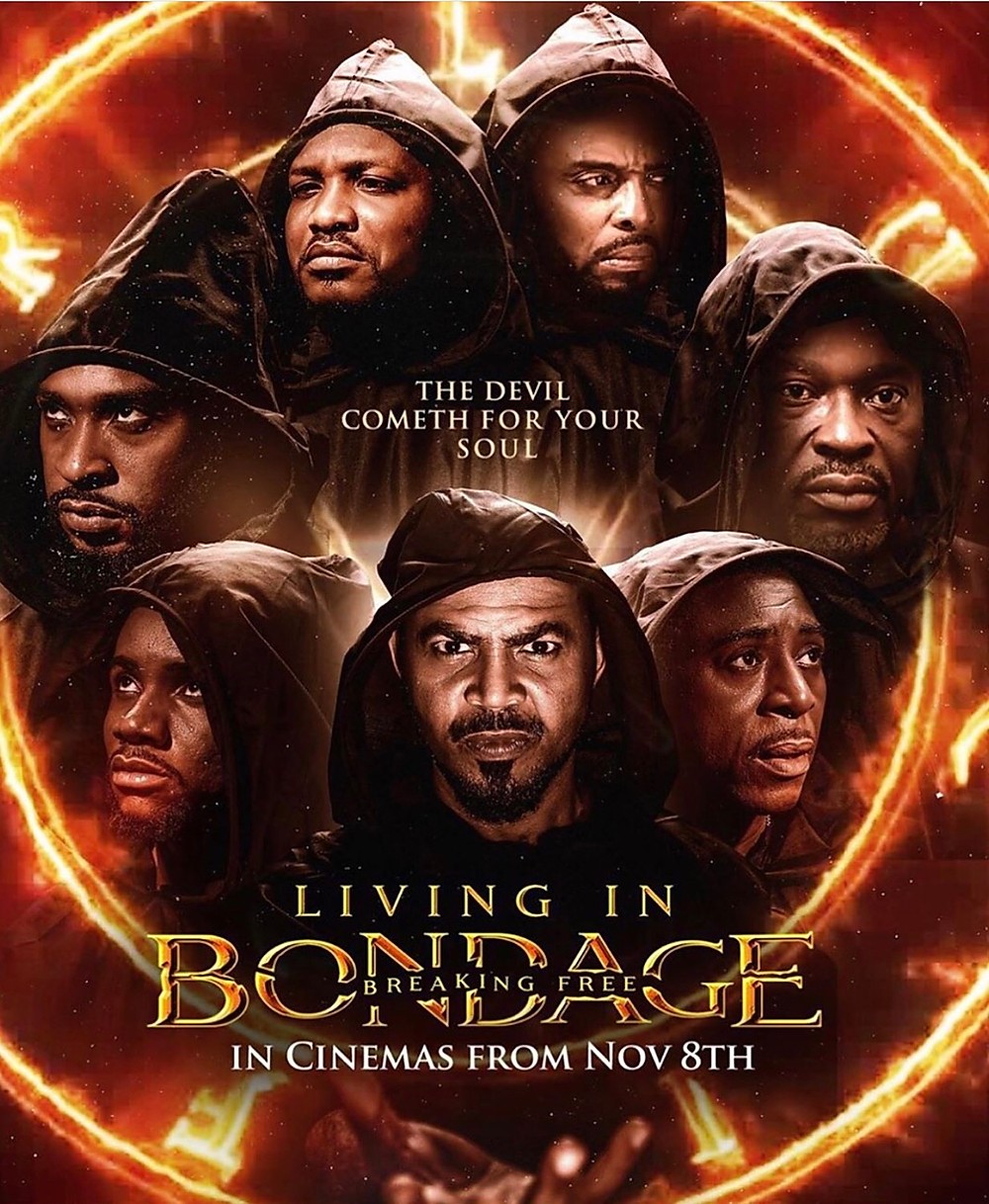
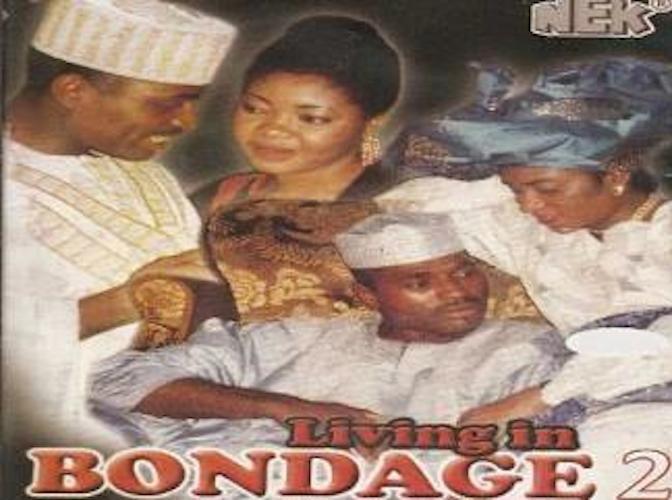
In 1992, a new kind of sound echoed across Nigeria’s television screens. It was not the Queen’s English of colonial echoes, nor the accented Yoruba banter of Lagos streets. It was Igbo, spoken with unfiltered cadence and ancestral rhythm. The film was Living in Bondage, produced by Kenneth Nnebue, and it didn’t just introduce Nollywood; it resurrected a cultural voice that had long been subdued.
The written record
Before that time, Nigerian cinema was dominated by celluloid productions from the Yoruba film tradition and a few Hausa epic dramas. But Living in Bondage, told entirely in Igbo, dared to localise modern storytelling. It was a film that captured the ambition, greed, and spirituality of post-Civil War Igbo life, blending urban realities with traditional moral lessons.
In the Igbo worldview, okwu bu ndu (language is life). Living in Bondage gave life to this proverb. For the first time, millions of viewers across Nigeria and the diaspora saw that a film in Igbo could command both national and international attention.
Historical context
The Golden Age: When Igbo Became the Language of Morality and Modernity
Following the success of Living in Bondage, a flood of Igbo-language films poured into the market: Nneka the Pretty Serpent, Taboo, Blood Money, Karishika, and Evil Forest. These weren’t just horror stories; they were morality plays, spiritual warnings, and mirrors of Igbo cosmology.
Igbo proverbs danced in the dialogues: “Onye kwe, chi ya ekwe” (If one agrees, his spirit agrees with him). “Egbe bere, ugo bere; nke si ibe ya ebena, nku kwaa ya” (Let the kite perch and let the eagle perch; if one refuses the other, let its wings break). Each line carried philosophy; each phrase connected the modern viewer to ancient wisdom.
The 1990s became a renaissance of Igbo film language, where Igbo actors like Kanayo O. Kanayo, Liz Benson, and Chika Okpala (Zebrudaya) became cultural ambassadors. The screen was no longer just a form of entertainment; it was a shrine of language and identity.
The Retreat: When English and Market Forces Silenced Igbo
However, as Nollywood expanded in the early 2000s, the tides began to change. Producers, chasing a larger market, shifted toward English to appeal to pan-Nigerian and international audiences. The rise of cable TV, streaming platforms, and film festivals came with unspoken rules: English meant access. Igbo, Yoruba, and Hausa were suddenly “subtitles.” The language that once built Nollywood was slowly exiled to the margins.
The economic logic was cruel but effective. As one producer famously said, “English sells; Igbo is local.” But as the Igbo proverb warns, “onye na-akọwa akụ ya n’asụ bekee, o ga-efu ihe ọma” (He who praises his wealth in a foreign tongue loses its true value). Films that once centred around Igbo values and idioms were now diluted. Characters spoke English but gestured like Igbo men and women, caught in a linguistic limbo. The loss wasn’t just verbal; it was spiritual.
The Cultural Cost of Silence
Language is the vessel of worldview. To lose a language on screen is to lose a mirror of thought. The decline of Igbo in Nollywood symbolised more than a linguistic shift; it marked a retreat of Igbo ontology, the worldview that frames existence, morality, and destiny (chi).
In traditional Igbo society, asụsụ Igbo is more than words; it is memory, humour, and healing. Proverbs and idioms in film carried the moral weight that subtitles could never capture. As Dr Obododimma Oha of the University of Ibadan observed, “When the Igbo language retreats from the cultural space, it is not merely sound that disappears; it is philosophy, ethics, and aesthetics that fade with it.”
Signs of Revival: New Voices, Old Rhythms
Yet, all is not lost. The recent resurgence of interest in local-language cinema has sparked a quiet revolution. Filmmakers like Uche Nwokolo, Chika Anadu, and Nkem Owoh have begun to reintroduce Igbo dialogue and folklore into modern narratives.
The rise of streaming services has paradoxically revived niche markets. On YouTube and Netflix, Igbo films now find loyal audiences craving authenticity. The success of Ụlọaku Igbo TV and community film festivals in Enugu, Nsukka, and Awka are reawakening the sense that the Igbo language still holds cinematic power.
As one elder at the Nsukka Film Forum declared, “Asụsụ bụ ndụ anyị. Mgbe anyị na-ekwu ya, anyị na-eme ka ndụ anyị dị ndụ.” (Language is our life. When we speak it, we give life to ourselves).
The Future: Reclaiming the Voice of Alaigbo
The story of Living in Bondage is not just a nostalgic memory; it is a prophecy. It tells of a person who once spoke boldly through cinema, and who can do so again. To preserve Igbo in Nollywood, collaboration between filmmakers, linguists, and educators is vital. Film schools should include Igbo-language production courses, and cultural councils must fund local scripts.
In the digital age, language preservation is not about resisting change; it is about translating identity into every modern medium. The Igbo saying reminds us: “Okwu dị ndụ bụ akụ nke nna nna anyị.” (Living words are the inheritance of our ancestors). If Nollywood remembers this, the Igbo voice will not only rise again, it will echo forever.
Sources and references
- Academic Journals. (2019). From Living in Bondage to Nollywood: The rise and retreat of the Igbo language in film. International Journal of English and Literature, 10 (6), 68–79.
- Nnebue, K. (1992). Living in Bondage [Film]. NNEB Productions.
- Oha, O. (2002). Language, identity, and cultural expression in Nigerian film. University of Ibadan Press.
- Uche, N. (2023). Reviving indigenous languages in African cinema. African Cultural Studies Review, 12(3), 44–58.
Cite this article
Discussion
Sign in to join the discussion
Comments are checked by an editor before they appear. Leave a source or a correction and it is read first.
Continue reading


No comments yet
Nothing has been approved on this record yet. Comments are checked by an editor before they appear, so one written now shows on this page after that check.