 Ozikoro
 Art · Published history
From Zaria Rebels to Nsukka School: Uche Okeke’s Influence on Nigerian Art Education
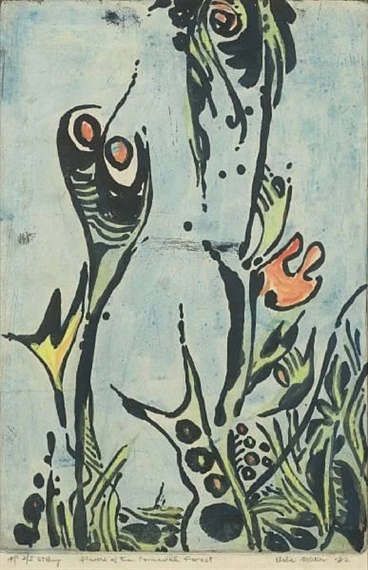
Uche Okeke (1933–2016) stands as one of the most seminal figures in the history of modern Nigerian art and art education. A painter, educator, theorist, and cultural nationalist, Okeke’s contributions helped shape a uniquely Nigerian aesthetic that blended traditional visual cultures with modern artistic practice. His influence was felt most keenly through the Zaria Art Society also known as the Zaria Rebels and later through his foundational role in the development of the Nsukka School at the University of Nigeria, Nsukka. Through his philosophy of Natural Synthesis, emphasis on Igbo indigenous design, and visionary leadership in art education, Okeke transformed Nigerian art curricula and nurtured generations of artists whose impact continues to resonate across Nigeria and beyond.
The written record
Historical context
Early Life and Artistic Formation
Uche Christopher Okeke was born on April 30, 1933, in Nimo, Anambra State in southeastern Nigeria to Igbo parents. Growing up in a multi-ethnic environment, his early engagement with drawing, folklore, and indigenous aesthetic traditions predisposed him to an artistic language rooted in African culture. As a youth he spent time studying local visual forms, including Igbo uli, the traditional body and wall painting motifs which would later become central to his own artistic vocabulary.
Okeke’s formal art education began at the Nigerian College of Arts, Science and Technology in Zaria (now part of Ahmadu Bello University) where his exposure to Western art techniques was balanced by his profound interest in indigenous visual languages. It was here that he encountered fellow students who shared his desire for an art that reflected Nigerian identity rather than imported European traditions.
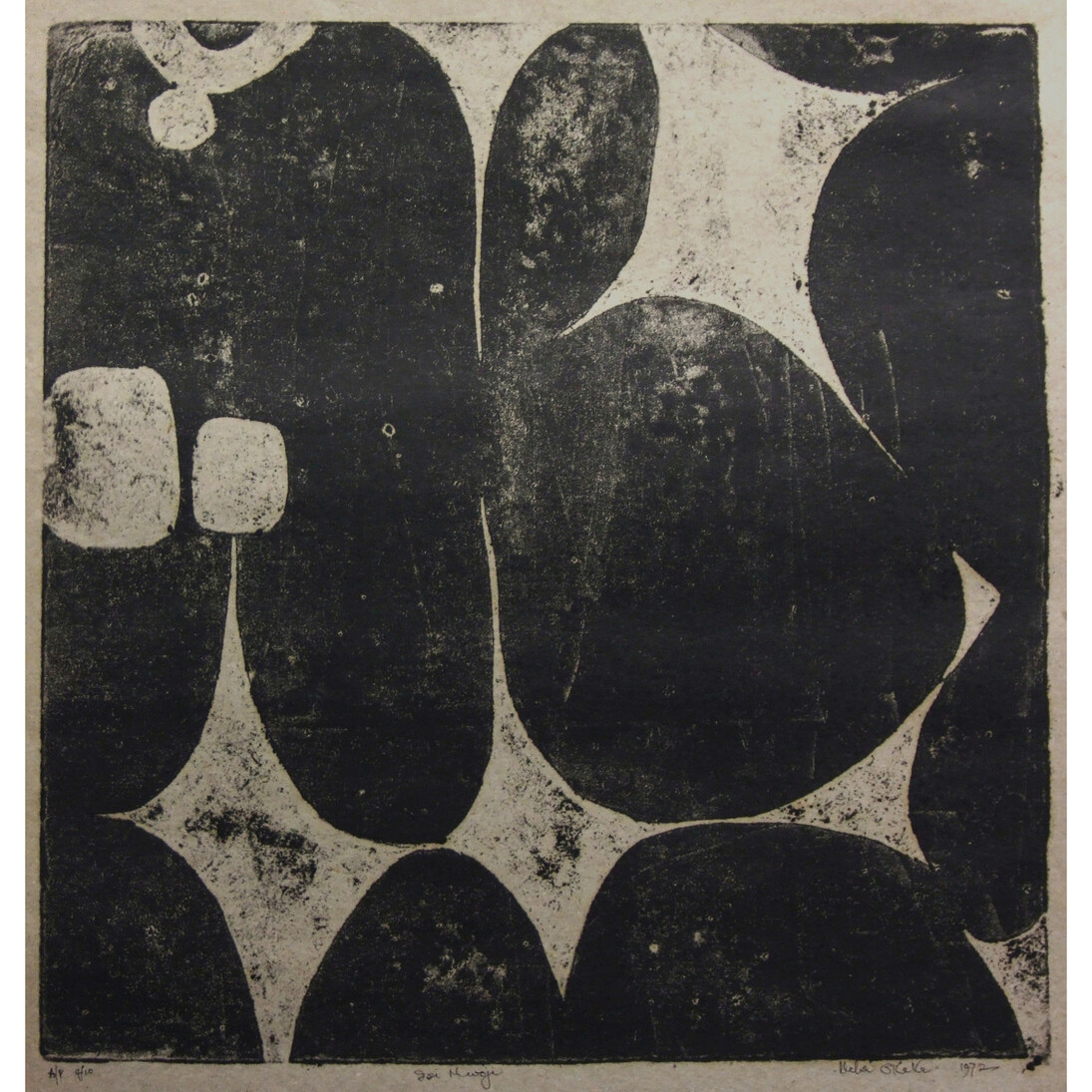
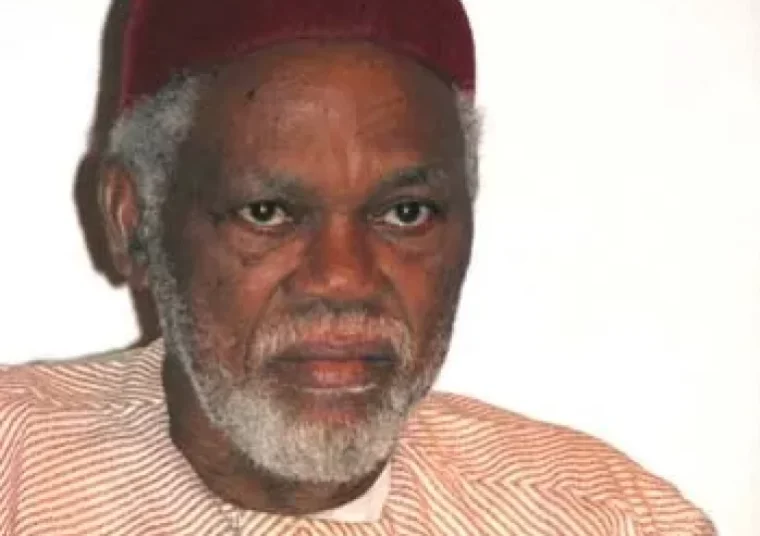
Photo credits; Uche okeke Legacy editorial.
The Zaria Rebels and Natural Synthesis
In 1958, Okeke and a group of like-minded students, including Yusuf Grillo, Bruce Onobrakpeya, Demas Nwoko, Oseloka Osadebe, Jimoh Akolo, Felix Ekeada, and others, founded the Zaria Art Society, colloquially known as the Zaria Rebels. This group challenged the colonial-era emphasis on European aesthetics, advocating instead for an art that drew deeply from indigenous Nigerian visual traditions and cultural forms.
The Zaria Rebels developed a philosophy known as Natural Synthesis, which sought to integrate traditional African forms such as uli and Nsibidi motifs with modern artistic techniques. Rather than adopting Western styles wholesale, Okeke and his peers believed that modern Nigerian art should emerge from a dialogue between tradition and modernity, an aesthetic rooted in local visual heritage but open to innovation.
This philosophy did more than create new visual styles; it changed how art was taught. It critiqued colonial art curricula that ignored indigenous practices and created a framework in which artists could explore their own identities and cultural histories through art.
Okeke’s own work reflected the principles of Natural Synthesis. Inspired by Igbo uli patterns and folktales, his artworks often combined fluid linear forms, expressive abstraction, and cultural iconography. These works explored themes of mythology, spirituality, and national identity, positioning art as both a visual and intellectual practice grounded in local aesthetic principles.
Art historians note that Okeke’s art was not merely formalistic; it carried a strong ethos of cultural reclamation. His pieces such as the Ana Mmuo (Land of the Dead) series draw from Igbo cosmology and history, embedding symbolic forms into modernist idioms, a synthesis that articulated African identity in the post-colonial world.
Transition to Art Education: Nsukka School Formation
After Nigeria’s independence and the disruptions of the civil war, Okeke’s career increasingly centered on art education. In 1970, he joined the Department of Fine and Applied Arts at the University of Nigeria, Nsukka as a professor and departmental head and is widely credited with establishing the Nsukka School of art.
At Nsukka, Okeke’s influence expanded beyond artistic production to shaping curricula and mentoring a generation of artists. He introduced courses rooted in indigenous visual languages such as uli and Nsibidi, emphasizing that African art should express cultural continuity while engaging with contemporary contexts. He also designed courses at the Institute of Management and Technology in Enugu and influenced the West African Examinations Council (WAEC) art syllabus, affecting art education across West Africa.
Under his leadership, students explored tradition, technique, and innovation, creating a pedagogy that was not simply about mastering form but understanding cultural roots and expression. This educational philosophy defined the Nsukka School, which produced many significant artists, including Obiora Udechukwu, Chike Aniakor, El Anatsui, Ada Udechukwu, and others who have become influential figures in contemporary African art.
Okeke’s impact as an educator was profound. He insisted that art education should include fieldwork, visits to traditional communities, and direct engagement with indigenous artists and craftsmen, a pedagogical approach unheard of in colonial art structures. He encouraged students to understand visual art as a social language that carries meaning, history, and culture rather than as an aesthetic exercise divorced from context.
This approach to art education broadened students’ horizons and encouraged them to internalize their identities as Nigerian artists. His mentorship helped shape leaders in the art world and ensured that the Nsukka School became a permanent fixture of Nigerian modernism.
Legacy and Enduring Influence
Uche Okeke’s legacy in Nigerian art and education is unmistakable. Often referred to as the “Father of Nigerian Modern Art,” his work bridged pre-colonial traditions and post-colonial modernity, creating a visual language that spoke to both national identity and global artistic discourse. His role in founding the Zaria Art Society helped detach Nigerian art from colonial hegemonies and offered a blueprint for artistic self-determination.
At Nsukka, his reform of art curricula ensured that future generations of artists would not be estranged from their heritage but rather inspired by it. The Nsukka School’s influence spread across Africa and into the international art scene, with exhibitions and critical scholarship highlighting the school’s contributions to contemporary art. Institutions such as the Smithsonian Institution and major museums worldwide now include Nigerian modern art deeply rooted in Okeke’s ideas in their collections, confirming his place within the global history of modernism.
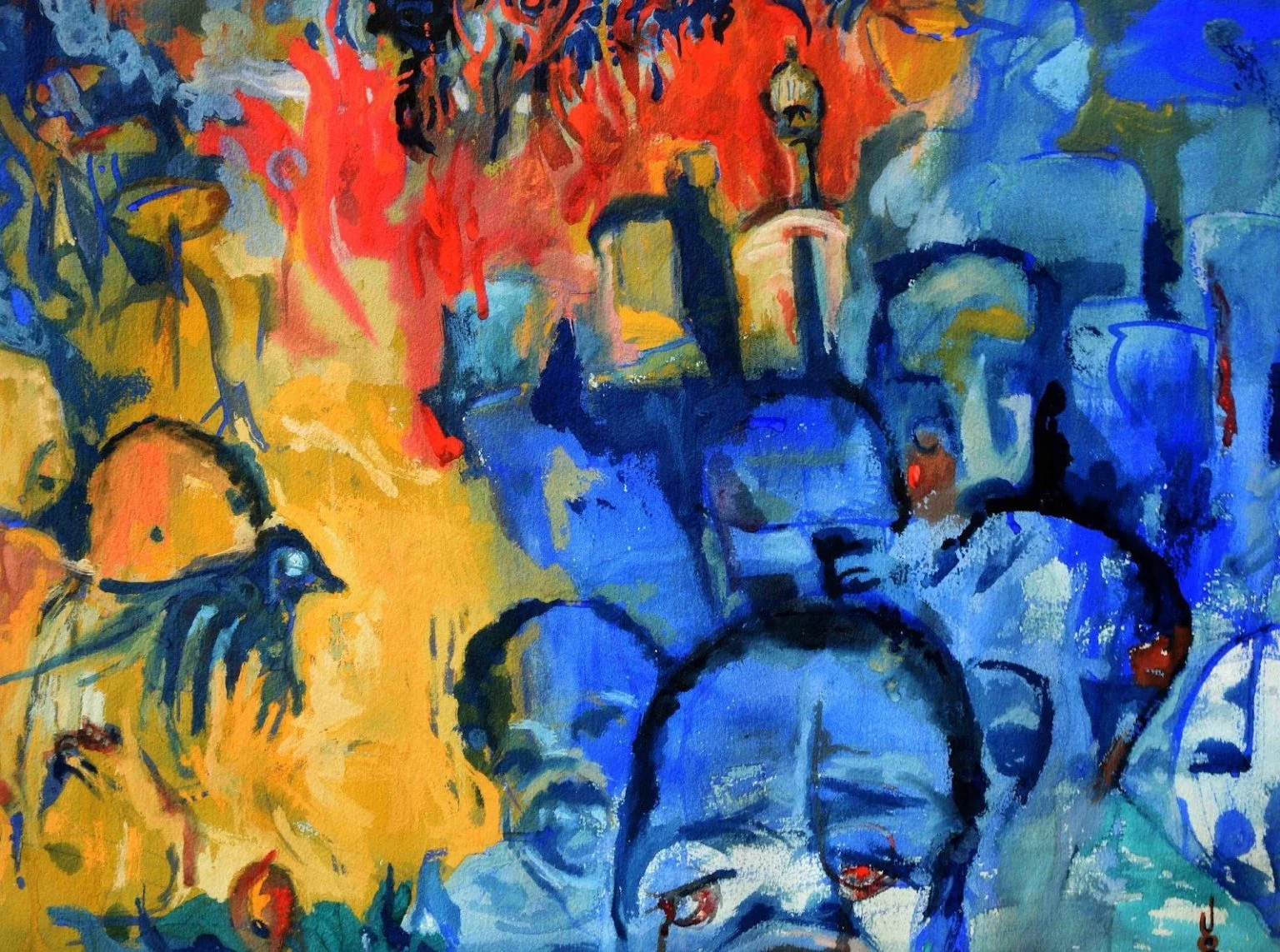
Uche Okeke’s journey from the rebellious Zaria Art Society to the transformative Nsukka School illustrates his dynamic influence on Nigerian art education and practice. As a founding member of the Zaria Rebels, he challenged colonial artistic dominance and forged a philosophy that valued cultural roots. As an educator at Nsukka, he reconfigured curricula and nurtured generations of artists rooted in cultural self-awareness. His philosophy of Natural Synthesis, his emphasis on indigenous aesthetics, and his leadership in art education ensured that Nigerian modernism was not a copy of Western methods but a genuine expression of African identity. Through his art, teaching, and mentorship, Okeke helped define what it means to be a modern African artist in a post-colonial world.
Sources and references
- Nigeria234. (2025, September 1). Uche Okeke: Father of Modern Nigerian Art and the spirit of Natural Synthesis.
- Uche Okeke Legacy. (2024, March 7). Uche Okeke’s legacy: Unifying art through Natural Synthesis.
- Uche Okeke Legacy. (2025, September 11). Uche Okeke, the educator rethinking the art curriculum in Nigeria.
Cite this article
Discussion
Sign in to join the discussion
Comments are checked by an editor before they appear. Leave a source or a correction and it is read first.
Continue reading


No comments yet
Nothing has been approved on this record yet. Comments are checked by an editor before they appear, so one written now shows on this page after that check.