 Ozikoro
Historical Studies · Published history
Igbo Resistance, Warfare, and Heroism: “Ọnwụ ka mma karịa ịgba ohu”
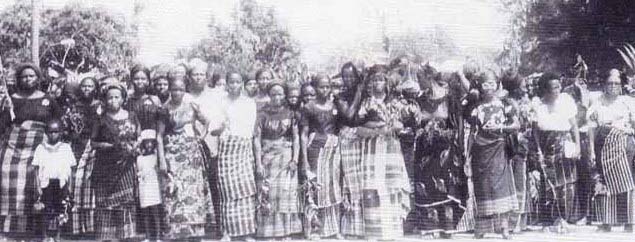
“Ọnwụ ka mma karịa ịgba ohu.” (Death is better than slavery.) Whether on the battlefields of Igboland, in the holds of slave ships, or on plantations abroad, the Igbo carried an unyielding resolve: dignity was worth more than life itself.
The written record
Throughout history, the Igbo were not only victims of wars and enslavement but also actors in powerful stories of resistance and survival. From inter-village wars in the homeland to collective defiance on Atlantic slave ships, Igbo heroism stands as a testimony to resilience. Their struggles remind us that even in times of bondage, the human spirit sought freedom.
Historical context
Warfare in Igboland
Pre-colonial Igbo society was acephalous, meaning communities often clashed without central kings to mediate. Wars erupted over land, trade routes, or honor.
- Community Defence: Age grades and warrior groups defended villages, often using spears, shields, and strategic ambushes.
- Slave Raids: Internal wars sometimes supplied captives to the Atlantic slave trade, but these wars also reflected fierce independence between Igbo polities.
- Rituals of Warfare: Before and after battles, divinations and sacrifices sought the protection of deities such as Amadioha (god of thunder) and Ala (earth goddess).
These conflicts both weakened Igboland against external slave raiders and sharpened traditions of courage.
Heroism on the Slave Ships
The Igbo carried their warrior spirit across the seas. The Middle Passage was not only a site of suffering but also of rebellion.
- Shipboard Revolts: Records document multiple uprisings led by Igbo captives. They overpowered crews, though many revolts ended in bloodshed.
- Collective Suicides: At times, captives leapt into the sea together, believing death would return them to Ala, their earth mother. The famous story of Eboe Landing (1803) in Georgia tells of Igbo captives who walked into the waters rather than submit to slavery.
These acts, though tragic, stand as symbols of spiritual victory.
Igbo Resistance in the Americas
In the New World, Igbo captives carried their fierce independence into plantation life:
- Jamaica: Igbo joined Maroon communities in mountain strongholds, escaping slavery and fighting colonial militias.
- Virginia & the Carolinas: Igbo slaves often refused harsh conditions, earning a reputation among planters as “proud and rebellious.”
- Haiti: Igbo warriors and priests participated in the Haitian Revolution (1791–1804), the only successful slave revolt in world history.
Their actions reflected the Igbo worldview that personal dignity (ịhụnanya onwe) could never be fully erased.
“Egbe bere ugo bere, nke si ibe ya ebena nku kwaa ya.” (Let the kite perch and let the eagle perch; if one denies the other, may its wings break.) This saying embodies the Igbo pursuit of equality, the very dream that inspired enslaved and free Igbo to resist oppression in every form.
Heroism at Home During Colonial Encounters
When British colonial forces advanced into Igboland in the late 19th century, resistance continued:
- Aro Expedition (1901–1902): The Aro Confederacy, supported by warrior cults like the Ibini Ukpabi oracle, resisted British conquest before being subdued.
- Women’s War (1929): Though later, Igbo women led a massive anti-colonial protest against taxation and abuses, showing that resistance was not only male but also deeply feminine.
These struggles were rooted in the Igbo belief that freedom was an inheritance worth defending.
Memory and Legacy of Heroism
The Igbo today still tell stories of ancestors who chose resistance over submission. Folktales, war songs, and proverbs preserve this memory.
In the diaspora, sites like Igbo Landing in Georgia and Maroon settlements in Jamaica have become memorials of courage. They remind us that Igbo heroism was not defeated by chains or muskets.
Igbo resistance, whether at home or abroad, tells one truth: the human spirit cannot be enslaved. The Igbo fought wars, rose in revolt, and defied systems designed to break them.
“Mmiri gara gara anaghị emebi mmiri ozuzo.” (The flowing stream does not spoil the rain.) Though scattered by slavery and war, the Igbo spirit of heroism flowed on, enriching every land it touched.
Sources and references
- Falola, T., & Njoku, R. C. (Eds.). (2016). Igbo in the Atlantic world: African origins and diasporic destinations. Indiana University Press.
- Thornton, J. K. (1998). Africa and Africans in the making of the Atlantic world, 1400–1800. Cambridge University Press.
- Equiano, O. (1789). The interesting narrative of the life of Olaudah Equiano. London: Author.
- Afigbo, A. E. (1981). Ropes of sand: Studies in Igbo history and culture. University Press.
Cite this article
Discussion
Sign in to join the discussion
Comments are checked by an editor before they appear. Leave a source or a correction and it is read first.
Continue reading


No comments yet
Nothing has been approved on this record yet. Comments are checked by an editor before they appear, so one written now shows on this page after that check.