 Ozikoro
 Historical Studies · Published history
Ijala-Ikeren: The Sacred Burial Ground of the Olus and Its Historical Significance
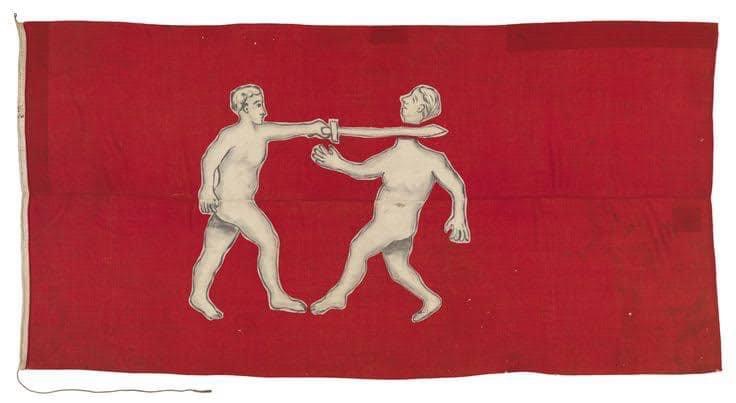
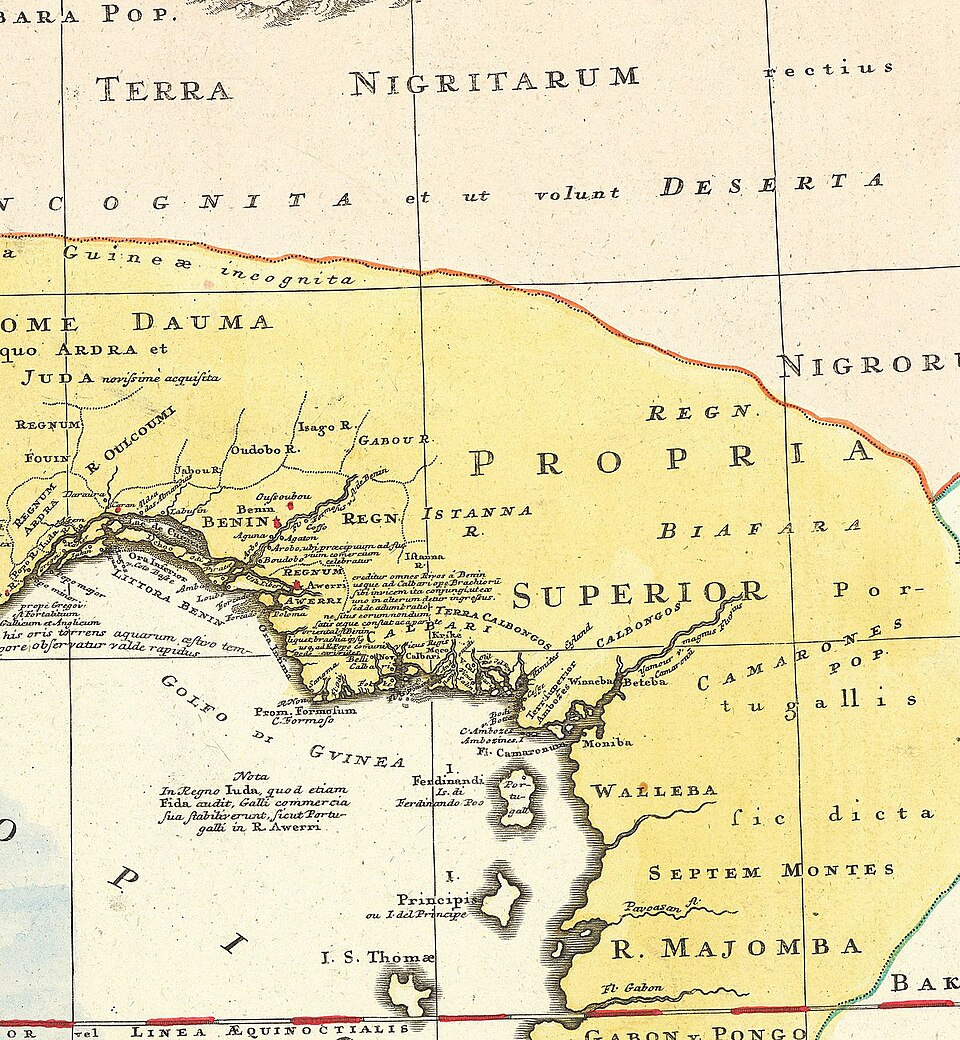
Photo credit;1743 map of west africa by johann matthias hase cropped
The written record
Ijala-Ikeren, often referred to simply as “Ijala,” is one of the most sacred historical sites in the Itsekiri cultural landscape of present-day Delta State, Nigeria. As the traditional burial ground of the Olus of Warri, the monarchs of the Itsekiri people, it acts as a powerful symbol of continuity, authority, and identity. The site offers a window into the deeper meanings of kingship, migration, lineage, and spirituality within the Itsekiri kingdom, historically known as the Warri Kingdom or “Iwere.”
Historical context
Origins of Ijala-Ikeren
- Historical Background
The establishment of Ijala-Ikeren as a royal burial ground is tied to the early years of the Warri Kingdom, particularly following the migration of Prince Ginuwa I from the Benin Empire in the late fifteenth century. According to Itsekiri oral tradition and historical accounts, Ginuwa I settled in the riverine areas of present-day Warri after leaving Benin during the reign of Oba Olua. Scholars also note that early Itsekiri settlements were distributed across several riverine communities, where sacred groves were established for religious and political purposes.
- Establishment as a Royal Necropolis
The selection of Ijala-Ikeren as the burial ground for the Olus is believed to have been influenced by its secluded and elevated position relative to surrounding riverine spaces. This isolation symbolized a bridge between the physical and ancestral worlds. In many West African monarchies, including Benin and Oyo, rulers were buried in designated sacred groves or shrines. Thus, Ijala-Ikeren reflected a wider regional tradition of embedding political authority within ritual spaces.
Spiritual and Cultural Functions
- The Concept of Ancestral Kingship
Ijala-Ikeren embodies the Itsekiri belief in ancestral kingship, where deceased monarchs are not merely remembered but actively venerated as guiding spirits. The site is considered a point of connection between the living and the ancestral Olus. Ceremonies such as libations, prayers, and ritual offerings are reported to have taken place at Ijala to seek blessings or divine direction.
- Ritual Practices and Symbolism
Ritual activities at Ijala typically involve priests, chiefs, and members of the royal family. The shrine structures found in the area historically contained symbolic items such as staffs, carved doors, and sacred benches used during royal funerary rites. The use of specific colors, drums, chants, and masquerades reinforces the connection between the Olu institution and the Itsekiri people. Although details of these rituals vary across generations, they express respect, continuity, and legitimacy.
Political Significance of Ijala-Ikeren
- The Burial Ground as a Symbol of Legitimacy
In monarchies such as Warri, political legitimacy is strengthened through ancestral connections. Ijala-Ikeren, therefore, serves as a site of royal authority. When an Olu dies, his burial at Ijala legitimizes his reign and symbolically prepares the ground for the succession of a new monarch. As scholars note, the Warri Kingdom maintains a centralized kingship system influenced historically by both the Benin Empire and Portuguese interactions. The burial of kings in Ijala reflects their unbroken lineage from Ginuwa I.
- The Role of Ijala in Coronation Traditions
Although coronations take place in Ode-Itsekiri (Big Warri), Ijala maintains a subtle but important role in installation rites. Chiefs and priests often visit the site to invoke ancestral blessings for the incoming Olu. This political linkage underscores the continuity of the monarchy across generations and affirms that every Olu is spiritually bound to his predecessors.
Ijala-Ikeren as a Historical and Archaeological Resource
- Material Culture and Artifacts
Scholars and researchers have noted that Ijala houses several objects associated with royal burials, including carved wooden posts, bronze items, and symbolic regalia. Similar to the Benin Court, the Itsekiri royal tradition has long embraced bronze casting and other metalwork, although at a smaller scale. These artifacts provide insight into the cultural exchange between Benin, the Itsekiri, and early European visitors such as the Portuguese.
- Preservation and Heritage Studies
The location has become a subject of historical interest. Archaeologists and anthropologists regard Ijala-Ikeren as an important repository of oral histories and burial customs. Preservation efforts have faced difficulties due to environmental factors, including coastal erosion and inadequate governmental support. Nevertheless, the site remains a key cultural monument, and local communities continue to advocate for its recognition as a heritage landmark.
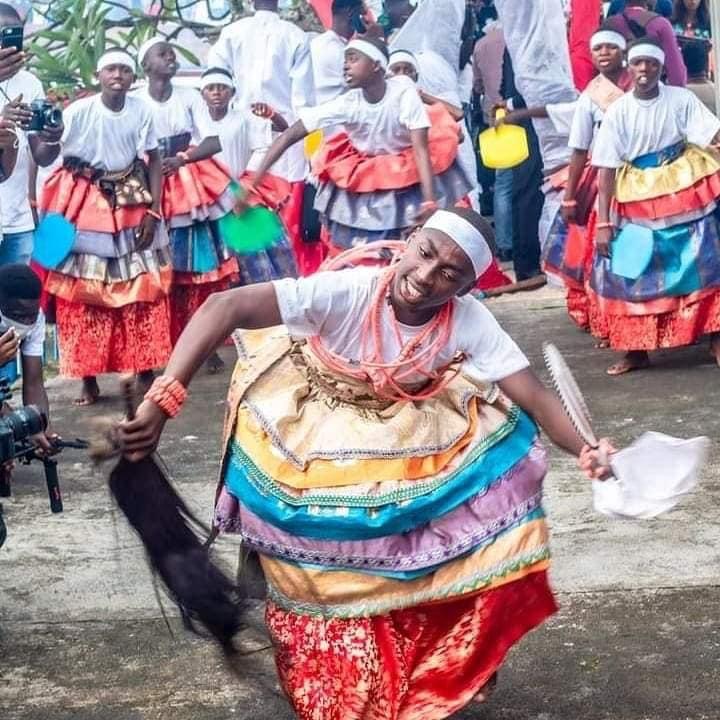
Photo credit; LordSnow242 via Wikimedia Commons
Ijala-Ikeren in Modern Itsekiri Identity
- Tourism and Cultural Revival
In recent years, interest in traditional African monarchies has revived cultural tourism across Nigeria. Although not heavily commercialized, Ijala-Ikeren attracts historians, cultural enthusiasts, and members of the diaspora seeking to reconnect with their heritage. The site’s serene environment and historical structures make it a powerful symbol of Itsekiri continuity.
- Community Memory and Oral Histories
Elders within Itsekiri communities remain the primary custodians of knowledge surrounding Ijala. Oral histories passed down over centuries recount stories of early Olus, migrations, interethnic relations, and interactions with Europeans. This oral tradition complements academic research and fills the gaps left by colonial records, many of which underrepresented the complexity of Niger Delta societies.
Ijala-Ikeren stands as one of the most important cultural and historical sites in the Warri Kingdom. More than a burial ground, it is a living monument that preserves the memory of past rulers, reinforces political legitimacy, and anchors the spiritual identity of the Itsekiri people. Its significance extends beyond local heritage: Ijala serves as a case study in West African kingship, ritual practice, and historical continuity. As efforts to document and preserve indigenous African histories continue to grow, Ijala-Ikeren remains central to understanding the evolution of the Itsekiri monarchy and its enduring legacy.
Sources and references
- Ben-Amos, P. (1995). The art of Benin. Smithsonian Institution Press.
- Egharevba, J. U. (1968). A short history of Benin. Ibadan University Press.
- Omomukuyo, O. (2017). Rituals of continuity: Kingship and ancestral veneration in the Warri Kingdom. Nigerian Journal of Cultural Studies, 12(3), 44–58.
- Oghene, F. (2018). Migration narratives of the Itsekiri people: Rethinking regional histories. Journal of Delta Studies, 5(2), 77–95.
- Ryder, A. F. C. (1969). Benin and the Europeans, 1485–1897. Humanities Press.
Cite this article
Discussion
Sign in to join the discussion
Comments are checked by an editor before they appear. Leave a source or a correction and it is read first.
Continue reading


No comments yet
Nothing has been approved on this record yet. Comments are checked by an editor before they appear, so one written now shows on this page after that check.