 Ozikoro
Historical Studies · Published history
Life, Culture, and Institutions in Pre-Slavery Igboland: “Igbo Ndụ Bu Iche”
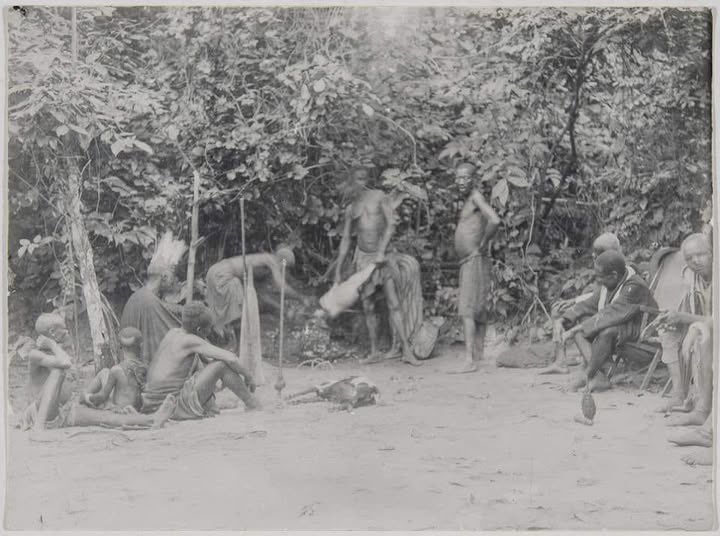
“Nwaanyị sị na ọ gaghị ewere di ya kụọ ụka, ihe ọ hụrụ n’ụlọ nne ya gaghị ezu ya.” (When a woman says she will not discuss with her husband, what she saw in her mother’s home will not be enough for her.) This proverb emphasises the importance of dialogue and community, a value that lay at the heart of Igbo society before the disruptions of the Atlantic slave trade.
The written record
Long before European ships docked at Bonny and Calabar, the Igbo had built a vibrant world of kinship, spirituality, and governance. Igboland was not a kingdom with a single ruler, but a web of acephalous societies where decisions flowed from councils, age grades, and the wisdom of ancestors. These institutions defined the Igbo, shaped their resistance to enslavement, and survived in the diaspora.
Historical context
Political Organisation: Government Without Kings
Unlike neighbouring Benin or Oyo, Igboland had no centralised monarchy. Instead, governance relied on a balance of powers:
- Ama Ala (village assembly): The highest authority, where men, women, and age grades debated issues.
- Ọfọ-na-Ogu: The principle of truth and justice, symbolised by the sacred staff (ọfọ), guided decision-making.
- Title Societies (e.g., Ozo title): Respected men who attained wealth and integrity could rise to leadership roles.
- Women’s Associations (Umuada): Daughters of the lineage had a strong influence in settling disputes and preserving morality.
This decentralized system made the Igbo resistant to external conquest but vulnerable to slave raids that exploited divisions (Falola & Njoku, 2016).
Social Organization: Kinship and Identity
Igbo identity was rooted in kinship:
- Ụmụnna (Patrilineage): Extended families formed the backbone of social life.
- Marriage Alliances: Strengthened inter-village bonds.
- Age Grades: Organized groups by age that handled community service, defense, and festivals.
These institutions ensured solidarity, making Igbo communities both resilient and interconnected.
Spiritual Worldview
The Igbo lived with a deep sense of the spiritual:
- Chukwu (the Supreme God): The creator, distant but revered.
- Alusi (divinities): Spirits of fertility, rivers, and justice, such as Ala (Earth goddess).
- Ancestors (Ndichie): The departed remained present, guiding and judging the living.
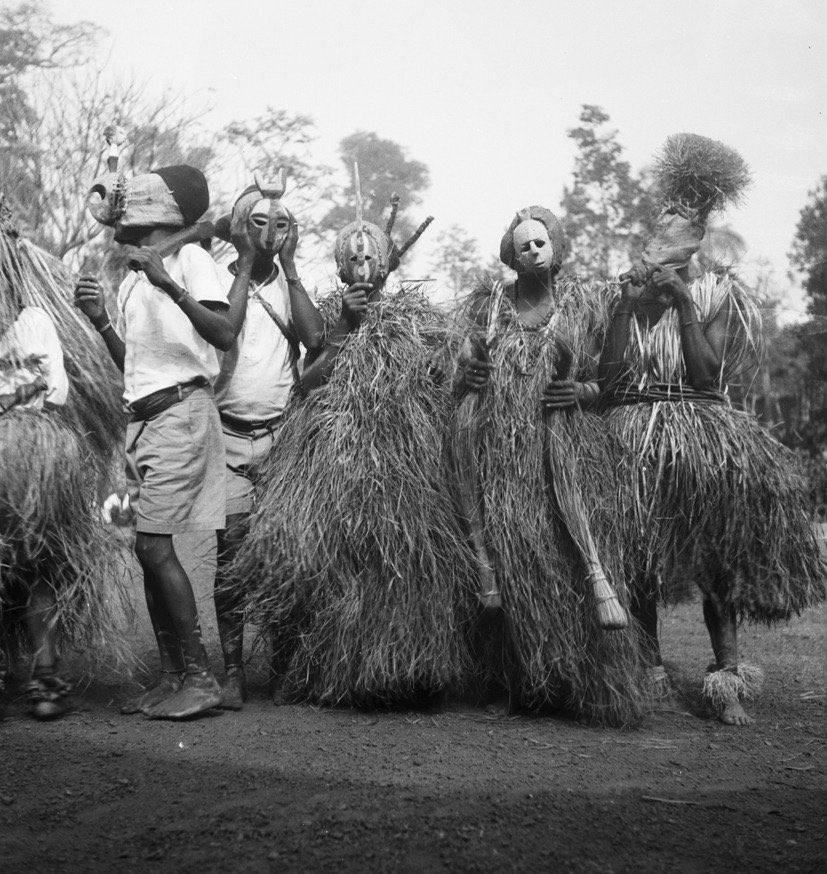
- Masquerades (Mmanwụ): Dancers embodied ancestral spirits, enforcing morality and entertaining during festivals.
This cosmology gave meaning to life and death, and it traveled with captives into the New World, where elements re-emerged in Caribbean religions like Vodou and Obeah.
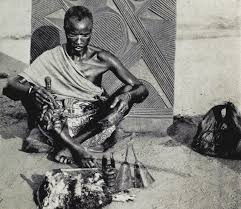
Economy and Daily Life
Igbo society thrived on agriculture and trade:
- Yam (Ji): Considered the “king of crops,” celebrated annually in the Ịwa Ji (New Yam Festival).
- Palm Oil: A key product that later became central in Atlantic commerce.
- Crafts: Blacksmithing, weaving, and pottery sustained communities.
- Markets: Women dominated trade, with famous four-day market cycles (Eke, Orie, Afor, Nkwo).
The market was not just for buying and selling but also a space for storytelling, matchmaking, and political exchange.
“Uwa bu ahia; onye jiri ego gwuo, gwuo; onye jighị ego hapụ ya.”. (The world is a market; whoever has money trades, whoever does not leaves it.)
For the Igbos, the market symbolized life itself; full of exchanges, opportunities, and moral choices.
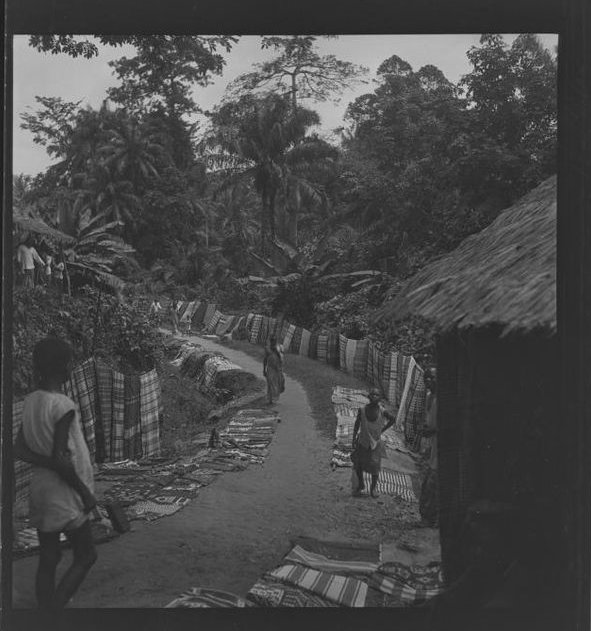
Cultural Values
The Igbo cherished values that defined community life:
- Individual Achievement (ịgba mbo): Hard work and personal initiative were respected.
- Collective Responsibility: Success was communal, and failure reflected on the entire lineage.
- Justice: Guided by ọfọ-na-ogu, disputes were settled by truth, not might.
These values were carried into the diaspora, shaping how Igbo descendants rebuilt communities abroad.
Festivals and Entertainment
Festivals provided rhythm to Igbo life:
- New Yam Festival: Renewal of life and thanksgiving to the earth.
- Masquerade Festivals: Spiritual, political, and entertaining at once.
- Music and Dance: Drumming, flutes (ọjà), and songs created joy and preserved memory.
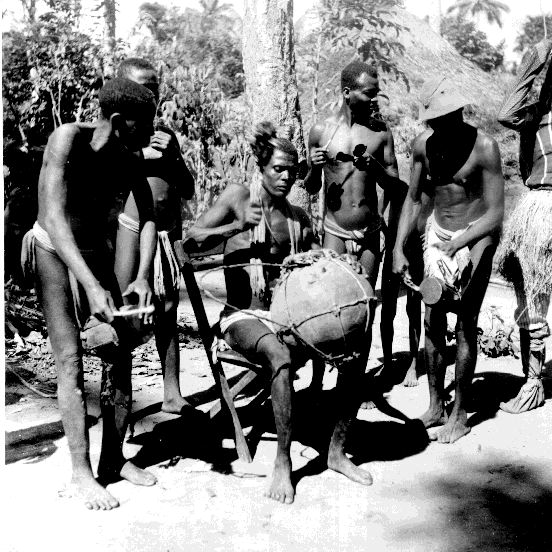
These celebrations later influenced Caribbean carnivals and African American musical traditions.
Pre-slavery Igboland was a world rich in kinship, spirituality, and culture. Though the Atlantic trade tore millions from their homeland, the structures they carried; of market, masquerade, and memory, ensured survival in distant lands.
As the Igbo say: “Mmiri gara gara anaghị emebi mmiri ozuzo.” (The flowing stream does not spoil the rain.) Though scattered, Igbo culture enriched every soil it touched.
Sources and references
- Falola, T., & Njoku, R. C. (Eds.). (2016). Igbo in the Atlantic world: African origins and diasporic destinations. Indiana University Press.
- Afigbo, A. E. (1981). Ropes of sand: Studies in Igbo history and culture. University Press.
- Isichei, E. (1976). A history of the Igbo people. Macmillan.
Cite this article
Discussion
Sign in to join the discussion
Comments are checked by an editor before they appear. Leave a source or a correction and it is read first.
Continue reading


No comments yet
Nothing has been approved on this record yet. Comments are checked by an editor before they appear, so one written now shows on this page after that check.