 Ozikoro
 Historical Studies · Published history
Major General Johnson Umunnakwe Aguiyi-Ironsi: Nigeria’s First Military Head of State
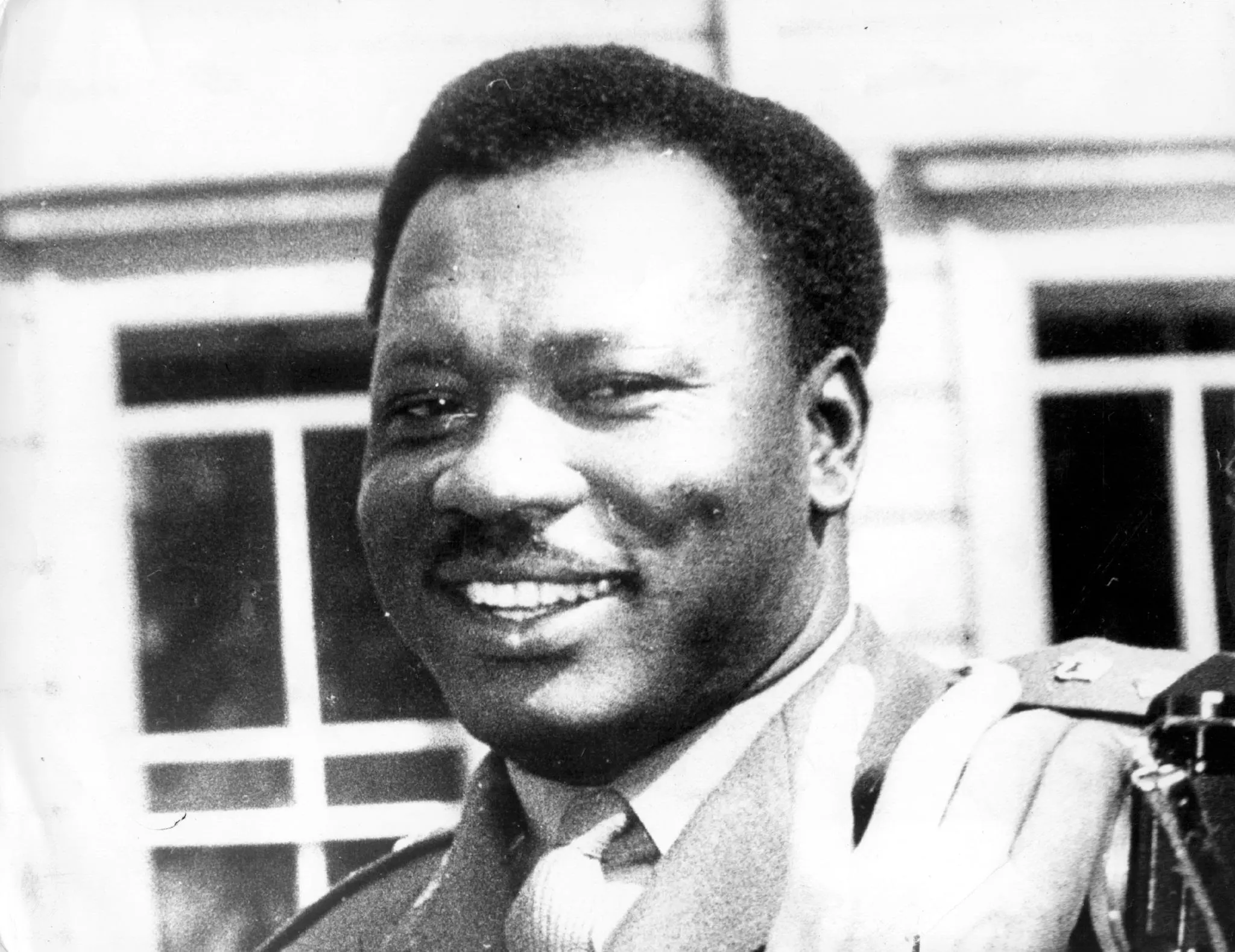
Major General Johnson Umunnakwe Aguiyi-Ironsi (March 3, 1924 – July 29, 1966) was Nigeria’s first Military Head of State. His leadership came during a time of great crisis, following the country’s first military coup on January 15, 1966. Aguiyi-Ironsi, born in Ibeku, Umuahia (now in Abia State), joined the Nigerian Army in 1942, quickly rising to prominence as one of the first Nigerians to command a unit in the British-led army. By 1965, he became the General Officer Commanding (GOC) of the Nigerian Army, a historic achievement.
The written record
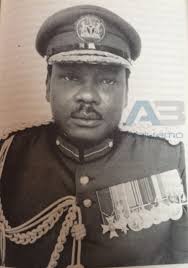
The January 1966 coup, led by Major Chukwuma Kaduna Nzeogwu, resulted in the deaths of key political leaders, including the Prime Minister, Sir Abubakar Tafawa Balewa. The coup created a leadership vacuum, and as the most senior military officer, Aguiyi-Ironsi took over as Head of State on January 16, 1966.
Historical context
On July 29, 1966, a counter-coup led by Northern officers, including Major Murtala Mohammed and Lieutenant Muhammadu Buhari, overthrew Aguiyi-Ironsi’s government. He and Colonel Adekunle Fajuyi, the Military Governor of the Western Region, were abducted and killed in Ibadan. Fajuyi, known for his loyalty, chose to die alongside Ironsi.
Aguiyi-Ironsi’s tenure, though brief, left a lasting impact. He is remembered as a leader who sought to unify Nigeria during a divisive period. His tragic death highlighted the challenges of managing a multi-ethnic nation. Aguiyi-Ironsi remains a symbol of courage and leadership, with his legacy honoured through institutions and historical reflection.
Sources and references
- Achebe, C. (2012). There Was a Country: A Personal History of Biafra. Penguin Books.
- Falola, T., & Heaton, M. M. (2008). A History of Nigeria. Cambridge University Press.
- Siollun, M. (2009). Oil, Politics and Violence: Nigeria’s Military Coup Culture (1966-1976). Algora Publishing.
- Mwakikagile, G. (2001). Ethnic Politics in Nigeria: The Realities of Regionalism. New Africa Press.
Cite this article
Discussion
Sign in to join the discussion
Comments are checked by an editor before they appear. Leave a source or a correction and it is read first.
Continue reading


No comments yet
Nothing has been approved on this record yet. Comments are checked by an editor before they appear, so one written now shows on this page after that check.