 Ozikoro
Uncategorized · Published history
Nelly Uchendu: Echoes of Igbo Highlife
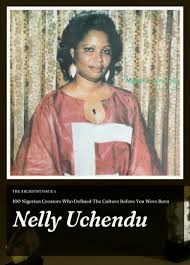
Nelly Uchendu wasn’t just a singer, she was a voice that carried the softness, beauty, and emotional depth of Igbo culture. Often called the “Queen of Nigerian Highlife,” Uchendu blended tradition with modernity in a way that made her music unforgettable. Her sound was gentle yet powerful, and her ability to bring Igbo folk melodies into mainstream highlife made her a legend.
The written record
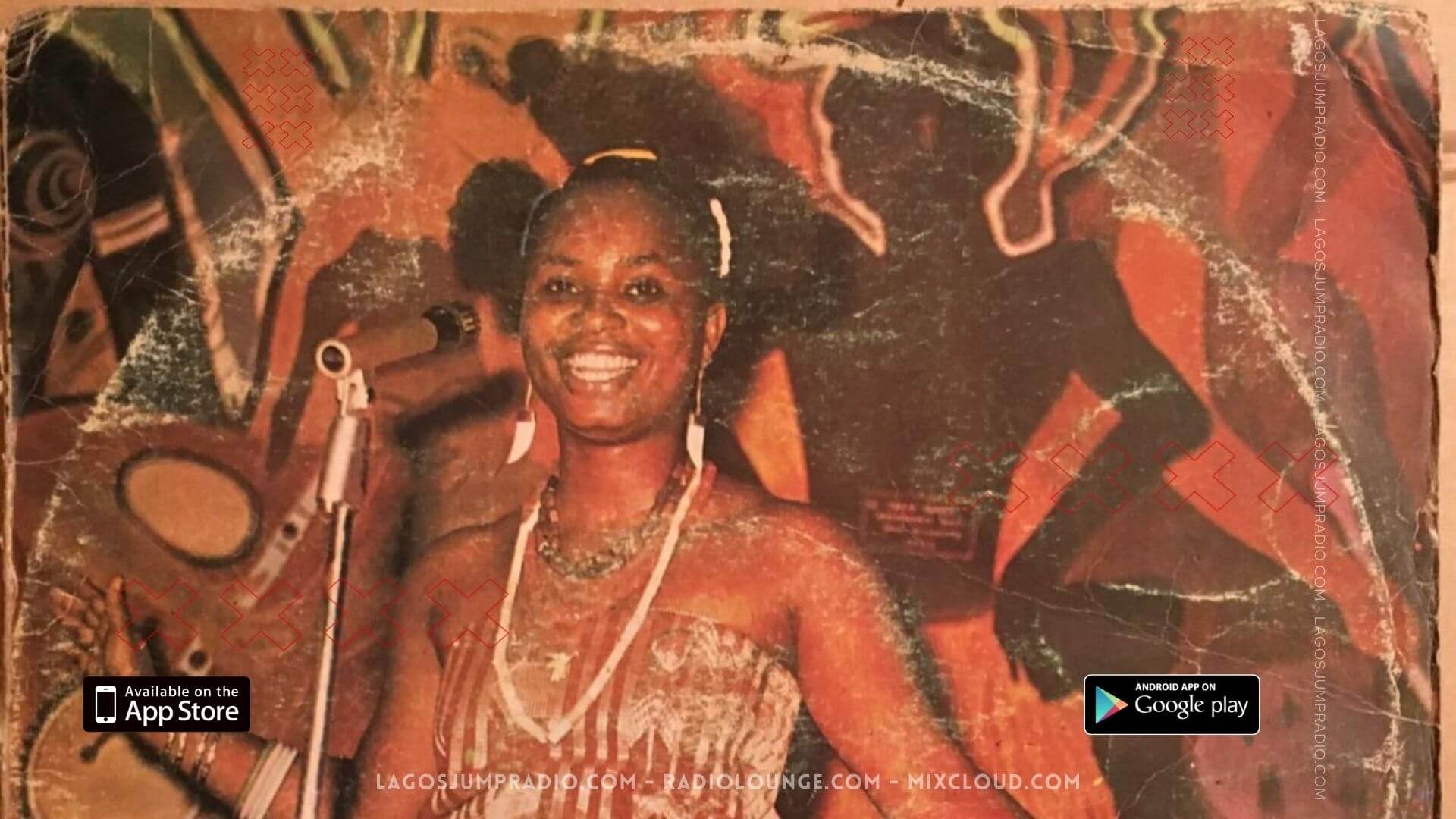
“Lady with the Golden Voice”
Historical context
Early Life and Musical Career:
Born in 1950 in Umuchu, Anambra State, Nigeria, Nelly Uchendu’s musical journey began at an early age. Nelly Uchendu grew up surrounded by cultural music, folk tales, ceremonial chants, and traditional highlife songs. From an early age, she had a voice that could silence a room. She later joined several music groups, refining her craft before stepping into the limelight. Her breakthrough came in 1976 with her hit song “Love Nwantinti,” earning her the nickname “Lady with the Golden Voice”, which made her a household name across Nigeria. The track showcased her ability to turn a simple Igbo folk tune into something fresh, refined, and radio-friendly.
Versatility in Music:
Uchendu’s career was marked by versatility, as she recorded in various genres, including Igbo highlife, pop, and gospel music. Nelly Uchendu had a unique way of singing, soft, emotional, and controlled. Her music carried:
Igbo folk melodies
Gentle highlife rhythms
Smooth orchestral arrangements
Sweet, soulful vocals
Storytelling rooted in tradition
Love Nwantinti” – A romantic, soothing highlife tune
“Mama School Girl” – A song blending satire with storytelling
“Aka Ji Ego” – A moral reminder about wealth and responsibility
“Ochichiri” – A reimagination of a popular folk song
“Nwanyi Oma” – A celebration of womanhood and beauty, are Some of her most cherished songs and through her music, she revived old folk tunes and made them popular among young audiences who might have otherwise forgotten them.
International Performances
Her talent transcended borders, and she performed in London, England, alongside Sir Warrior and his Oriental Brothers during the 1980s. Apart from her music, Nelly Uchendu showcased her acting skills, starring in Nollywood classics like “Nneka the Pretty Serpent” and providing vocals for the musical scene in the Igbo movie “Taboo.” Throughout her career, she released several hit albums, including “Love Nwantiti,” “Aka Bu Eze,” and “Mama Awusa.” In 1980, Nelly Uchendu was honored with the national award of Member of the Order of the Niger for her remarkable contributions to Nigerian music, recognizing her cultural impact She made traditional music feel elegant and timeless. In a male-dominated highlife world, Uchendu carved her own path, proving that women could stand tall and shine brightly in the genre. At a time when very few women were recognized in the highlife scene, Nelly Uchendu stood out boldly. She became: A role model for female musicians
A symbol of Igbo cultural pride
A pioneer who blended folk and contemporary sounds
A respected figure in Nigerian performing arts . Her success opened the door for later female artists like Onyeka Onwenu, Jodie, and many modern folk-infused singers.
Her legacy lives on
Even after her passing on April 12, 2005, at the age of 55, Nelly Uchendu’s music remains alive in:
Igbo cultural festivals
Radio stations
Weddings and traditional ceremonies
Modern samples and covers by younger artists. She preserved a soft, feminine voice within highlife and folk music, making sure that Igbo musical heritage continued to shine. Nelly Uchendu’s legacy can be summed up simply:
She took the soul of Igbo highlife and gave it wings.
Nelly Uchendu wasn’t just a singer, she was a voice that carried the softness, beauty, and emotional depth of Igbo culture. Often called the “Queen of Nigerian Highlife,” Uchendu blended tradition with modernity in a way that made her music unforgettable. Her sound was gentle yet powerful, and her ability to bring Igbo folk melodies into mainstream highlife made her a legend.
Sources and references
- Ekwueme, L. (1999). Women in Nigerian music: A cultural overview. Lagos: Creative Arts Press.
- Nwapa, C. (2007). “Nelly Uchendu and the rebirth of Igbo folk highlife.” Nigerian Music Journal, 12(1), 55–67.
- Uchendu, N. (1976). Love nwantinti [Song]. Lagos: EMI Records.
- West African Melody Magazine. (1984, September). “The rise of Nelly Uchendu: From folk singer to highlife queen.” West African Melody Magazine.
Cite this article
Discussion
Sign in to join the discussion
Comments are checked by an editor before they appear. Leave a source or a correction and it is read first.
Continue reading
No comments yet
Nothing has been approved on this record yet. Comments are checked by an editor before they appear, so one written now shows on this page after that check.