 Ozikoro
 Historical Studies · Published history
Olaudah Equiano and the Igbo Concept of Chi: Destiny, Faith, and the Fight Against Slavery
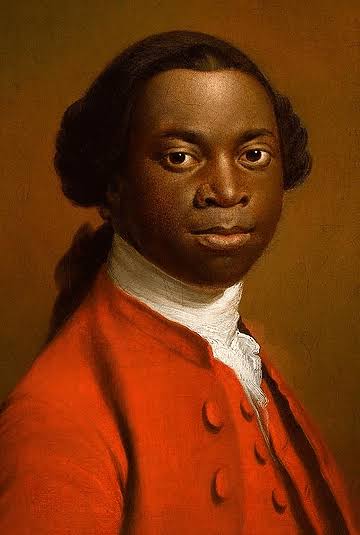
Olaudah Equiano, an Igbo-born abolitionist and writer, provides a unique perspective on destiny and faith in his autobiography, The Interesting Narrative of the Life of Olaudah Equiano. His frequent references to destiny and divine providence closely align with the Igbo spiritual concept of Chi, a personal spiritual entity believed to guide and shape an individual’s fate. In Igbo cosmology, Chi is the intermediary between the human and spiritual realms, connecting individuals to the supreme creator, Chukwu or Chineke. This belief emphasizes the core values of Igbo culture, individuality, achievement, and destiny which were instrumental in shaping Equiano’s worldview and resilience.
The written record
Historical context
The Igbo Concept of Chi and Its Influence on Equiano
According to Chima Jacob Korieh (2009), Equiano’s consistent reliance on destiny and faith mirrors the Igbo understanding of Chi, a spiritual force seen as a person’s divine double and guide. In Igbo tradition, it is believed that before a person is born, their Chi determines their destiny, aligning their earthly path with spiritual forces. This belief system provided Equiano with a framework to interpret his disorderly journey from captivity to freedom, attributing his survival and success to divine providence.
Equiano’s unwavering faith in his Chi resonated in his relentless pursuit of freedom and justice, culminating in his instrumental role in exposing the horrors of the transatlantic slave trade. His testimony against the infamous Zong massacre of 1781, in which 133 enslaved Africans were thrown overboard to claim insurance money, shocked British society and fueled the abolitionist movement. Turner’s 1840 painting, The Slave Ship, captures the brutality of the event, reinforcing Equiano’s mission to unveil the inhumanity of the trade.
Equiano’s Legacy and the Cultural Connection
Equiano’s writings not only chronicled his personal experiences but also served as a bridge between Igbo indigenous beliefs and the wider world. His ability to navigate and articulate these spiritual and cultural dimensions made him a powerful voice in the fight against slavery. The Igbo philosophy of destiny and achievement inspired his advocacy and deep belief that his life had a higher purpose beyond personal survival.
Even today, Equiano’s narrative stands as a testament to the resilience of the Igbo spirit and the universal pursuit of justice. His story highlights how traditional African beliefs, like Chi, provided enslaved individuals with strength and hope in the face of unimaginable suffering.
Olaudah Equiano’s connection to Igbo spirituality offers a profound insight into how indigenous belief systems shaped enslaved Africans’ resilience and worldviews. His faith in destiny, as influenced by his Igbo heritage, revere the universal human quest for purpose and justice. Through his narrative and activism, Equiano immortalized the values of the Igbo people, making a lasting impact on the abolitionist movement and global human rights.
Sources and references
- Korieh, C. J. (2009). Olaudah Equiano and the Igbo World: History, Society, and Atlantic Diaspora Connections. Africa World Press.
- Equiano, O. (1789). The Interesting Narrative of the Life of Olaudah Equiano, or Gustavus Vassa, the African.
- Turner, J. M. W. (1840). The Slave Ship [Painting]. Museum of Fine Arts, Boston.
Cite this article
Discussion
Sign in to join the discussion
Comments are checked by an editor before they appear. Leave a source or a correction and it is read first.
Continue reading


No comments yet
Nothing has been approved on this record yet. Comments are checked by an editor before they appear, so one written now shows on this page after that check.