 Ozikoro
 Historical Studies · Published history
Palm Oil Monopoly and Igbo Merchants: How the Royal Niger Company Disrupted Traditional Trade Networks in Onitsha and Asaba (1879–1900)

In the late nineteenth century, the lower Niger River became a focal point of European commercial activity and competition. Among the most powerful agents of British economic expansion was the Royal Niger Company (RNC), a British mercantile corporation that parlayed commercial dominance into political power across the Niger and Benue river basins. While legitimate commerce in palm oil initially offered opportunities for both Europeans and African middlemen, the rise of the RNC’s palm oil monopoly severely disrupted traditional trade networks, especially in major hub towns such as Onitsha and Asaba. This article traces the emergence of the Royal Niger Company, analyses how its trading posts and tariff policies marginalized Indigenous Igbo merchants, and explores the broader impact of its commercial dominance on local economies in what would become colonial Nigeria.
The written record
Historical context
Origins and Chartered Power of the Royal Niger Company
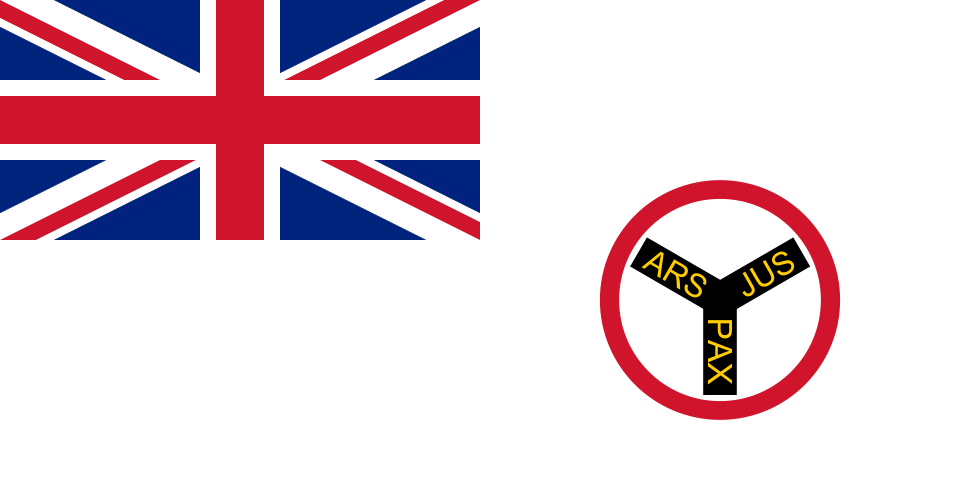
The Royal Niger Company originated in 1879 when several British trading firms along the Niger River merged to form the United African Company under the leadership of British entrepreneur Sir George Goldie. In subsequent years it consolidated its power, becoming the National African Company and in 1886 the Royal Niger Company under a royal charter from the British government, granting it extensive commercial and administrative authority in the lower Niger basin.
The monopoly granted by the charter enabled the RNC to administer territories, sign treaties with local leaders, levy customs dues, and operate a private constabulary to enforce its trade regulations. Its principal Commercial interest was the lucrative palm oil trade, which had become highly valuable in Britain’s industrial economy as a lubricant and raw material for soap and candle manufacturing.
Pre-Colonial and Early Trade Dynamics in Onitsha and Asaba
Before the rise of the RNC’s monopoly, towns such as Onitsha and Asaba at the Niger River served as major inland trading ports connecting rainforest hinterlands with coastal markets. Palm oil and kernels produced by Igbo farmers and collected by local middlemen were the backbone of regional trade and were exchanged for European goods, cowrie shells, and other commodities.
In these markets, local Igbo traders and middlemen acted as intermediaries between producers in interior communities and European buyers on the coast. Goods moved through networks of canoe routes and market gatherings, and these networks underpinned complex economic relationships that were geographically widespread.
The RNC Monopoly: Trading Posts and Prohibitive Dues
With the RNC’s charter, the company established dozens of trading posts along the Niger River, including in strategic locations like Onitsha and Asaba, using them both as commercial depots and as centers of administrative influence. These posts were directly connected to the company’s flotilla and provided logistical control over trade routes flowing inland.
Crucially, the RNC’s charter allowed it to impose high tariffs, license fees, and prohibitive dues on anyone wishing to engage in trade within its controlled zone. Although treaties with local leaders often pledged “free trade,” these guarantees were never honored in practice, and the company’s over 400 private contracts effectively required Indigenous producers and merchants to trade exclusively through the RNC’s agents at prices and conditions dictated by the company.
These fees and trading conditions made it nearly impossible for independent Igbo traders who had formerly played key roles moving oil between producers, local middlemen, and coastal markets to compete. They were cut off from upstream markets and could no longer sell their goods freely or retain profits that had previously sustained their communities.
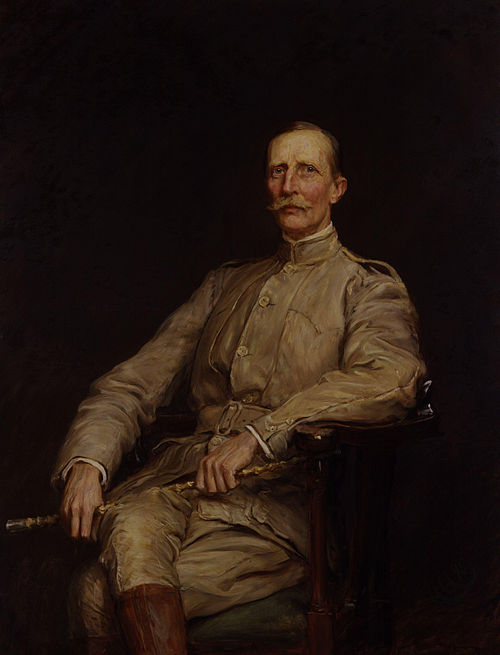
Photo credits; Hubert von Herkomer
Disruption of Igbo Middlemen and Local Traders
The RNC monopoly fundamentally undermined the role of Igbo middlemen in the palm oil trade. Under free trade conditions even before intense European intrusion local traders from Igbo hinterlands could transport palm oil to river ports like Onitsha or Asaba, where goods were exchanged and passed on to coastal exporters.
Once the RNC monopolised trade, however, these traditional roles were marginalized in several ways:
- Licensed Trading Posts: Only authorised agents of the RNC could legally purchase palm oil from producers, eliminating competition and bypassing Indigenous intermediaries.
- Fixed Pricing: The company dictated prices paid for palm oil and kernels, reducing the bargaining power and profit margins of local suppliers and traditional middlemen.
- Tariffs and Dues: High dues discouraged local and independent trading firms from accessing markets previously central to grassroots commercial networks.
By controlling who could operate as a buyer or seller at key river ports, the RNC displaced Indigenous traders and reduced their role to supplying raw materials under disadvantageous terms. Palm oil exports from communities began to funnel exclusively through company channels, eroding economic autonomy and reinforcing colonial control of commerce.
Local Resistance and Regional Impact
The economic strangulation resulting from the RNC’s monopoly was not limited to Igbo trading towns. Similar dynamics played out across the lower Niger and Delta region, provoking resistance from other trading communities. For example, the Ijaw people of Nembe launched a dramatic attack on the RNC station at Akassa in 1895, driven at least in part by anger over restricted access to markets and oppressive trading terms.
While such overt resistance was more documented in the Niger Delta, Igbo merchants and producers privately resisted the constraints placed on them by simply trying to find alternative routes where possible or by retreating into subsistence production when prices and trading conditions became untenable. Over time, many communities were forced into dependency on the company’s structured trade system, limiting their ability to leverage traditional networks that had once supported vibrant internal markets.
Criticism of the RNC’s oppressive commercial practices grew not only among Indigenous communities but also within British political and economic circles. By the late 1890s, the company’s charter was seen as increasingly untenable given its exploitative monopoly and inability to administer peace in its territories. On 1 January 1900, the RNC surrendered its charter to the British Crown for £865,000, marking the end of company rule and the creation of the Southern Nigeria Protectorate, later merged into modern Nigeria.
Although the RNC ceased to be a governing body, its commercial legacy persisted. The concentration of trade control, displacement of local traders, and restructuring of economic networks laid the foundations for colonial economic policies that continued to prioritize export of raw commodities under terms favourable to foreign interests, a pattern that would have lasting consequences for Nigeria’s economic development.
The Royal Niger Company’s palm oil monopoly (1879–1900) was a defining force in the transformation of trade in southeastern Nigeria. Through its chartered authority, trading posts, and prohibitive tariffs, the company effectively ejected Indigenous Igbo merchants and middlemen from the heart of the very markets they had long relied upon. Towns like Onitsha and Asaba, once thriving centres of interior commerce, became nodes within a controlled export system dominated by the RNC’s agents. This disruption not only weakened traditional trade institutions but also accelerated the economic integration of the region into British colonial structures, setting patterns of dependency and external control that persisted well into the twentieth century.
Sources and references
- Aloko, S. M. A. (2023). The Royal Niger Company (RNC) and the Founding of Nigeria, 1879–1914. International Journal of Arts, Sciences and Education.
Cite this article
Discussion
Sign in to join the discussion
Comments are checked by an editor before they appear. Leave a source or a correction and it is read first.
Continue reading


No comments yet
Nothing has been approved on this record yet. Comments are checked by an editor before they appear, so one written now shows on this page after that check.