 Ozikoro
 Historical Studies · Published history
Radio Biafra: The Tool That United Old Eastern Nigeria
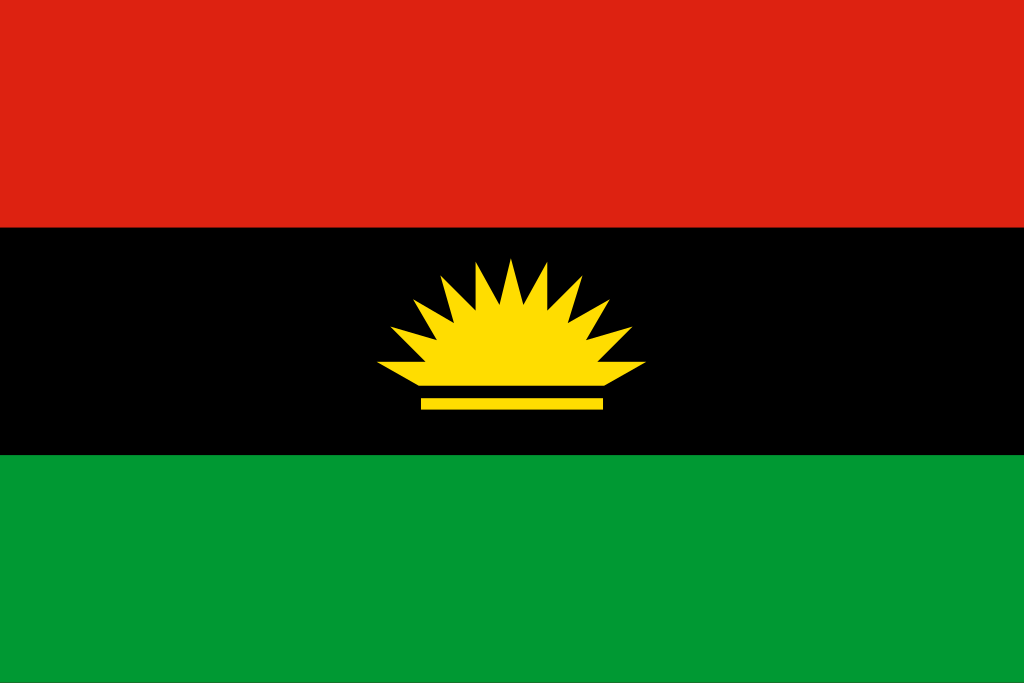
During the Nigerian Civil War (1967–1970), information became as powerful as bullets. In a region under siege, cut off from international recognition and facing military assault, communication was essential for survival. It was within this context that Radio Biafra emerged as one of the most influential tools of unity, mobilization, and resistance in Old Eastern Nigeria. More than a broadcasting station, Radio Biafra became a psychological weapon, a cultural voice, and a unifying force that sustained the Biafran population through one of the darkest periods in Nigerian history.
The written record

Historical context
The Historical Context: Crisis in Eastern Nigeria
The roots of Radio Biafra lie in the political instability of post-independence Nigeria. The January 1966 coup, followed by counter-coups and widespread anti-Igbo pogroms in Northern Nigeria, resulted in the deaths of tens of thousands of Easterners and the displacement of many more. These events created a profound sense of insecurity and alienation among the people of the Eastern Region.
When Lt. Col. Chukwuemeka Odumegwu Ojukwu declared the independence of the Republic of Biafra on May 30, 1967, the region was immediately thrust into war. The Nigerian federal government controlled national media, making it imperative for Biafra to establish its own communication network. Radio Biafra was born out of this necessity.
The Birth and Structure of Radio Biafra
Radio Biafra officially began broadcasting in 1967 as the state radio service of the Republic of Biafra. Operating under extremely difficult conditions, the station was mobile at various times to avoid destruction by Nigerian forces. Despite technical limitations, Radio Biafra succeeded in transmitting powerful messages across the Eastern Region and beyond.
The station broadcast in English, Igbo, and Pidgin, ensuring accessibility to a wide audience. According to historical accounts, it also monitored foreign broadcasts such as the BBC, Radio Moscow, and Voice of America, rebroadcasting selected content to counter federal narratives.
A Voice of Unity Across Ethnic Lines
Although Biafra is often associated primarily with the Igbo, Radio Biafra played a crucial role in uniting all ethnic groups of Old Eastern Nigeria, including the Ibibio, Efik, Ijaw, and others. Broadcasts emphasized shared suffering, common destiny, and collective resistance.
By framing the conflict as a struggle for survival rather than ethnic domination, Radio Biafra fostered a sense of regional solidarity. This inclusive messaging helped maintain cohesion within Biafra despite internal challenges and the pressures of war.
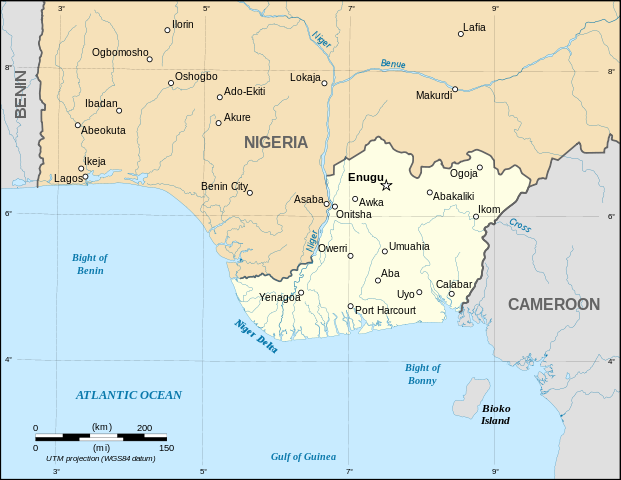
Photo credit; pmnewsnigeria.com
Propaganda, Morale, and Psychological Warfare
Radio Biafra was unapologetically propagandistic, but its propaganda served a strategic purpose. It boosted morale, countered enemy narratives, and reinforced belief in eventual victory. Programs often highlighted battlefield successes, international sympathy, and the resilience of Biafran forces.
The station became famous for its dramatic and defiant tone. Broadcasters used emotionally charged language, patriotic music, and poetry to inspire listeners. In a war where starvation and despair were rampant, Radio Biafra provided hope and psychological sustenance.
Humanitarian Advocacy and International Awareness
One of Radio Biafra’s most significant contributions was its role in drawing international attention to the humanitarian crisis in the region. Broadcasts described famine, civilian casualties, and the suffering of children, appealing directly to global audiences.
These messages played a role in mobilizing international humanitarian organizations such as the Red Cross and Caritas. Images and reports of starving Biafran children shocked the world and contributed to one of the first large-scale international humanitarian responses to a televised famine.
Cultural Resistance and Identity Formation
Beyond politics and warfare, Radio Biafra served as a platform for cultural expression. Traditional music, Igbo folklore, religious messages, and philosophical reflections were woven into broadcasts. This reinforced a sense of identity and dignity at a time when the people felt under existential threat.
In this way, Radio Biafra functioned as a cultural archive, preserving Eastern Nigerian values and worldview during a period of intense disruption. It reminded listeners not only of why they were fighting, but of who they were.
Challenges, Limitations, and Decline
Despite its influence, Radio Biafra faced severe challenges. Equipment shortages, frequent relocation, and constant risk of detection limited its reach. As the war progressed and Biafra lost territory, the station’s broadcasts became less frequent.
By January 1970, with the collapse of Biafran resistance and the surrender of Biafran forces, Radio Biafra went silent. Its end symbolized the military defeat of Biafra, but not the erasure of its message.
Legacy and Historical Significance
Today, Radio Biafra occupies a powerful place in Nigerian and African media history. It is remembered as one of the most effective wartime radio stations in Africa, comparable to liberation radios in Algeria, Angola, and South Africa.
Its legacy lives on in discussions about media power, state propaganda, ethnic identity, and resistance communication. Modern movements invoking the name “Radio Biafra” draw symbolic legitimacy from the original station, even when operating in very different political contexts.
Radio Biafra was far more than a wartime broadcaster. It was a unifying instrument that bound Old Eastern Nigeria together through shared narrative, cultural affirmation, and psychological resilience. In the absence of international recognition and under relentless military pressure, Radio Biafra gave voice to the besieged people and documented their struggle for survival. Its story remains a testament to the power of communication in shaping history, identity, and collective memory.
Sources and references
- Afigbo, A. E. (1981). Ropes of sand: Studies in Igbo history and culture. Oxford University Press.
- Madiebo, A. A. (1980). The Nigerian revolution and the Biafran war. Fourth Dimension Publishers.
- Stremlau, J. J. (1977). The international politics of the Nigerian civil war, 1967–1970. Princeton University Press.
- Wikipedia contributors. (2024). “Radio Biafra.” In Wikipedia, The Free Encyclopedia.
- Uwechue, R. (1971). Reflections on the Nigerian civil war. Africa Books.
Cite this article
Discussion
Sign in to join the discussion
Comments are checked by an editor before they appear. Leave a source or a correction and it is read first.
Continue reading


No comments yet
Nothing has been approved on this record yet. Comments are checked by an editor before they appear, so one written now shows on this page after that check.