 Ozikoro
Historical Studies · Published history
Ten Exhibitions That Changed Global Art: The Igbo Genius of Okwui Enwezor
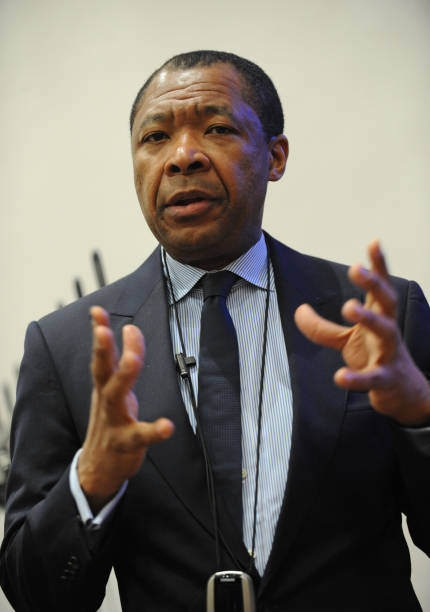
Few figures have shaken the foundations of the global art world like Okwui Enwezor (1963–2019), the Igbo-born curator, critic, and visionary who redrew the map of art history. His exhibitions did more than display artworks; they challenged ideologies, confronted historical injustices, and gave voice to those silenced by colonial narratives.
The written record
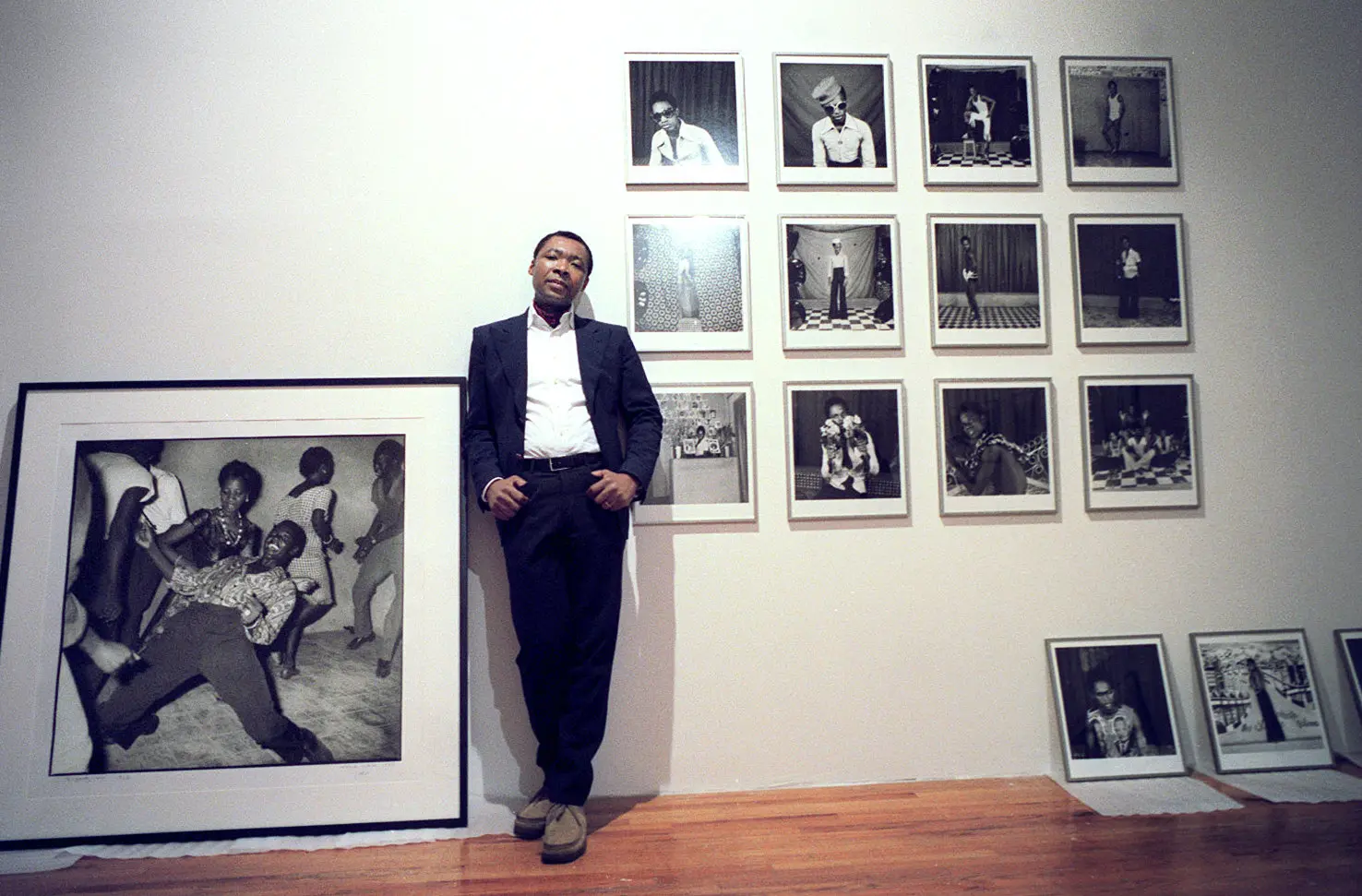
From Awkuzu, Anambra State, to Venice, Munich, and New York, Enwezor’s journey was a testament to the Igbo spirit of innovation and perseverance. In the words of an Igbo proverb: “Akwụkwọ ọma anaghị agba ọkụ.” (A good book never burns).
So it was with his exhibitions; intellectual fires that refused to die. Through ten groundbreaking shows, Enwezor not only globalised African art, but also redefined what it meant to curate. Each was a story, a mirror, and a manifesto.
Historical context
1. Documenta 11 (2002, Kassel, Germany)
Perhaps his most influential exhibition, Documenta 11, remains a landmark in art history. Instead of confining art to gallery walls, Enwezor expanded it into five “platforms” across Lagos, New Delhi, St. Lucia, and Vienna, transforming the exhibition into a global conversation.
Themes of postcolonialism, migration, and justice ran through it like ancestral rhythm. For the first time, voices from the Global South were not “guests” but authors. This show made it clear: the centre of art had shifted. “Ọ bụrụ na e mee mmadụ, e mee ụwa.”
(To touch one person is to touch the world).
2. The Rise and Fall of Apartheid (2012, International Center of Photography, New York)
Co-curated with Rory Bester, this exhibition was a haunting chronicle of South Africa’s apartheid years, told through photographs, archives, and films. It revealed how photography became both a tool of oppression and a weapon of resistance. Enwezor’s sensitivity to storytelling gave new dignity to images that had once been dismissed as mere documentation. The show later toured internationally, affirming his belief that art could heal even the deepest historical wounds.
3. All the World’s Futures (Venice Biennale, 2015)
In 2015, Enwezor made history as the first African-born artistic director of the Venice Biennale. His theme, All the World’s Futures, was an intellectual storm, blending Karl Marx, performance, and political art to interrogate capitalism, labour, and humanity’s uncertain destiny.
Visitors encountered live readings of Das Kapital, installations on global inequality, and performances echoing the voices of the displaced. It wasn’t just art; it was a theatre of truth. Enwezor turned the world’s oldest art exhibition into a global town hall.
4. The Short Century: Independence and Liberation Movements in Africa (2001)
Before Documenta 11, Enwezor curated The Short Century, a monumental show that chronicled Africa’s 20th-century journey through decolonisation and creativity. Featuring over 180 artists, writers, and filmmakers, it redefined Africa’s image, not as a victim but as an agent of global modernity. Exhibited in Munich, Berlin, Chicago, and New York, it challenged the Western art establishment to see Africa through African eyes. This exhibition was, in many ways, Enwezor’s declaration that the age of silence was over.
5. Archive Fever: Uses of the Document in Contemporary Art (2008, International Centre of Photography)
Here, Enwezor explored the power of archives; memory, loss, and evidence shape identity. Artists like Walid Raad, Zoe Leonard, and Samuel Fosso used documents as creative resistance. The exhibition questioned who controls history, echoing the Igbo belief that memory is sacred. It was both personal and political, a meditation on truth, testimony, and the ghosts of the past.
6. Meeting Points 6 (2011, Cairo, Beirut, Amman, Damascus, Tangier, Tunis, Brussels)
At the height of the Arab Spring, Enwezor curated this travelling exhibition to capture the pulse of rebellion and renewal. He saw art as the echo of social transformation, a mirror of how humanity seeks freedom. The project became a live dialogue between Africa, the Middle East, and Europe, reinforcing his idea that art is not geography; it is experience.
7. Platform Africa (Cape Town, 2017)
Though he was ailing, Enwezor mentored this exhibition, ensuring it became a voice for emerging African photographers.
The show reflected his lifelong commitment to nurturing new generations. It was deeply Igbo in spirit, “onye ji ụmụazụ egbu ehi, egbu onwe ya,” meaning, he who neglects his followers destroys himself. He believed in building communities, not just careers.
8. Postwar: Art Between the Pacific and the Atlantic, 1945–1965 (2016, Haus der Kunst, Munich)
As director of Haus der Kunst, Enwezor curated this vast historical project re-examining postwar art beyond the Western canon. It juxtaposed African, Asian, and Latin American modernisms with European and American art, showing that modernity was never Western alone. The exhibition proved that the world’s artistic rebirth after World War II was a collective, global act.
9. Intense Proximity (2012, La Triennale, Paris)
This show was a direct challenge to France’s colonial history. Through installations and performances, Enwezor explored what it meant to live “in intense proximity”, side by side yet worlds apart. It was bold, uncomfortable, and visionary, a reminder that the museum is not neutral. Every wall tells a story, and Enwezor insisted those stories include everyone.
10. LagosPhoto Festival (2010–2018, Nigeria)
Though not always credited as the founder, Enwezor was the intellectual backbone behind this annual Lagos photography event. His mentorship shaped its identity as Africa’s most important photographic platform. Through LagosPhoto, he brought the art world home, affirming Nigeria’s central role in the global conversation.
As the elders say, “Ube dị na ọnụ onye oya; ya na-eti mkpu.” (The kernel is in the mouth of the person who cracks it; they alone know the struggle). Okwui had cracked the world’s hardest shell, and Nigeria’s artists now feasted on its fruit.
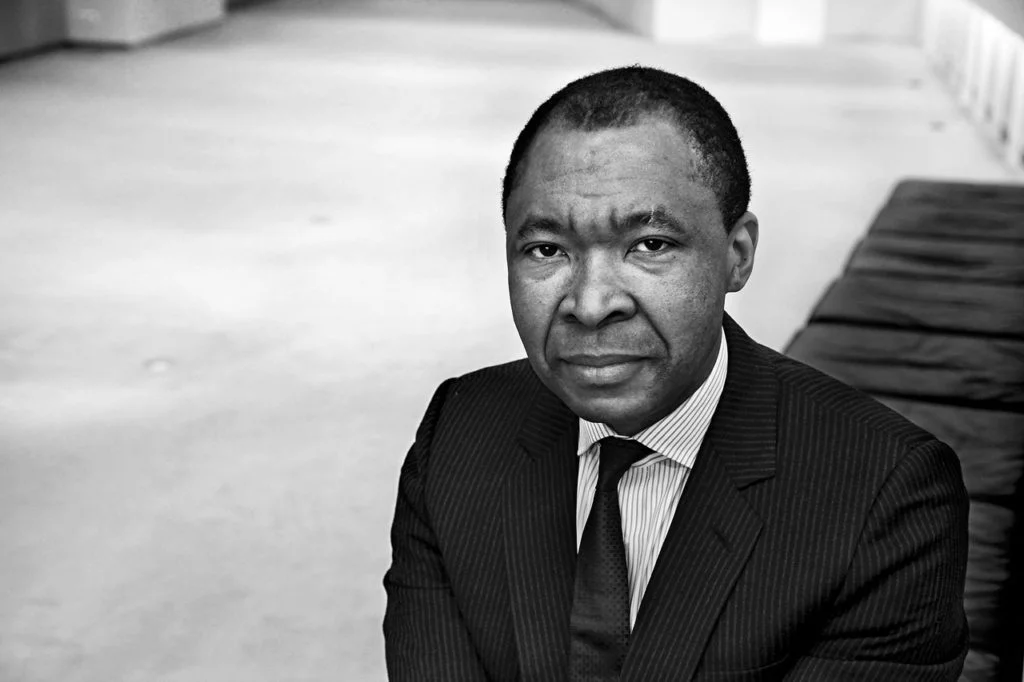
Legacy of an Igbo Visionary
Okwui Enwezor’s exhibitions were not isolated events; they were acts of cultural reimagination. He turned art spaces into platforms for justice, truth, and global dialogue. His genius was not just curatorial, it was civilisational. He gave Africa its rightful place in the world’s narrative and gave the world a chance to listen.
Through his ten exhibitions, Enwezor taught that art is not decoration; it is destiny. “Ihe onye mere ga-esi ya soro.” (Whatever one does follows them). Today, museums around the world echo his methods: inclusivity, dialogue, and decolonisation. And though Okwui Enwezor has joined the ancestors, his exhibitions remain living libraries that continue to educate and inspire.
Sources and references
- ARTnews. (2021, February 3). Ten exhibitions that changed global art: The genius of Okwui Enwezor.
- Frieze Editors. (2019). How curator Okwui Enwezor changed the course of art. Frieze.
- ICOM. (2019). Okwui Enwezor: A curator who remapped art world. International Council of Museums.
- The Guardian. (2019). Okwui Enwezor: Nigerian curator who confronted European art.
- Wikipedia contributors. (2024). Okwui Enwezor. In Wikipedia, The Free Encyclopedia.
Cite this article
Discussion
Sign in to join the discussion
Comments are checked by an editor before they appear. Leave a source or a correction and it is read first.
Continue reading


No comments yet
Nothing has been approved on this record yet. Comments are checked by an editor before they appear, so one written now shows on this page after that check.