 Ozikoro
 Historical Studies · Published history
The 1898 British Punitive Expedition and the Catholic Mission in Western Igboland (Anioma)
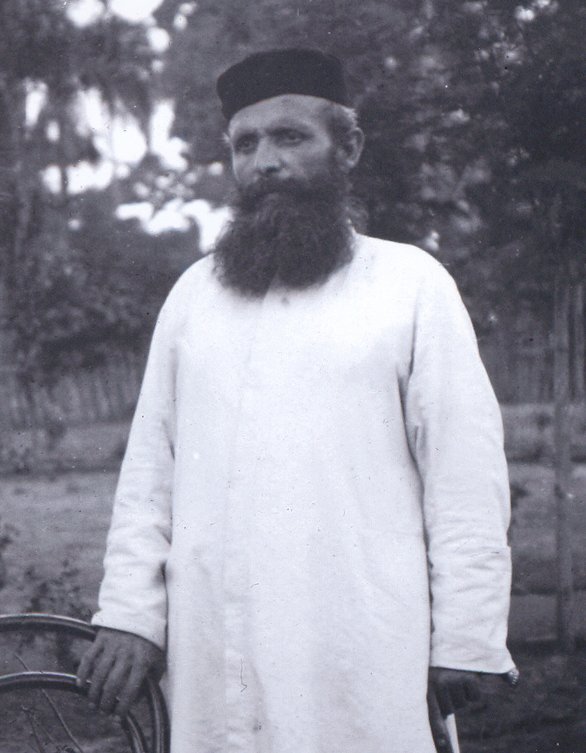
In 1893, Fr. Carlo Zappa, an Italian priest of the Society of African Missions (SMA), established a Catholic mission in Issele-Ukwu, a significant town in western Igboland. His efforts, however, were met with resistance from the local population, who resented the missionaries, their converts, and the Royal Niger Company (RNC), a British colonial enterprise enforcing economic and political control.
The written record
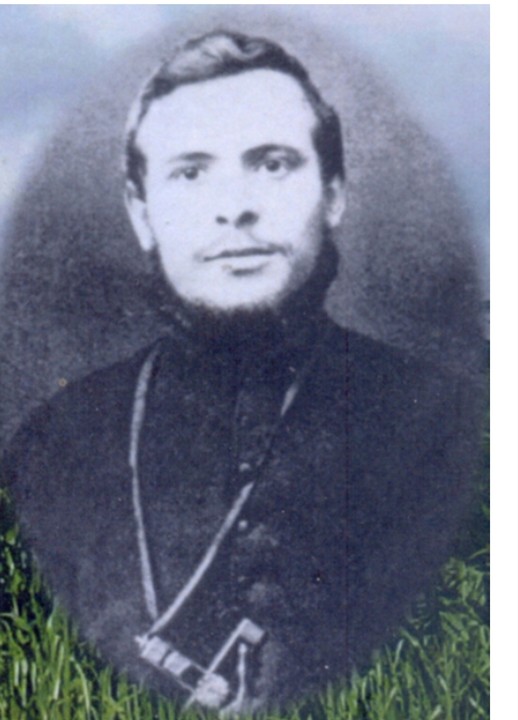
The ruler of Issele-Ukwu, adhering to traditional governance based on consensus decision-making, opposed the abolition of the slave trade and human sacrifice, practices that colonial and missionary authorities aimed to eradicate. This tension escalated into a civil war in Issele-Ukwu. Seeking to suppress the conflict, Fr. Zappa appealed to the RNC for military intervention, setting the stage for a broader conflict.
All these were allegations because there was no evidence that they practiced human sacrifice nor were they active in slavery. These allegations were spread by Catholic missionaries there so they could squash the Ekumeku resistance, which resisted the European government for over 30 years. Father Zappa was a European spy, whose work was to gather information for the colonial powers in the disguise of preaching the word of God.
Historical context
The Targeting of Igbuzo and the Ekumeku Resistance
Zappa specifically sought the humiliation of Igbuzo, a powerful neighbouring town and a key stronghold of the Ekwumekwu movement, a decentralised resistance force opposing British encroachment. In January 1898, under Major Arthur Festing, a 250-strong RNC force laid siege to Igbuzo for six weeks, ultimately destroying the town. This brutal assault was part of a larger British campaign to crush the Ekumeku, who had been resisting colonial expansion across western Igboland.
Rev. Father Zappa wrote that the Ekwumekwu fighters refused to surrender and kept resisting, especially after more fighters from Igbozu joined them. Major Festing later called for more help, and troops came from Lokoja to support the Royal Niger Company.
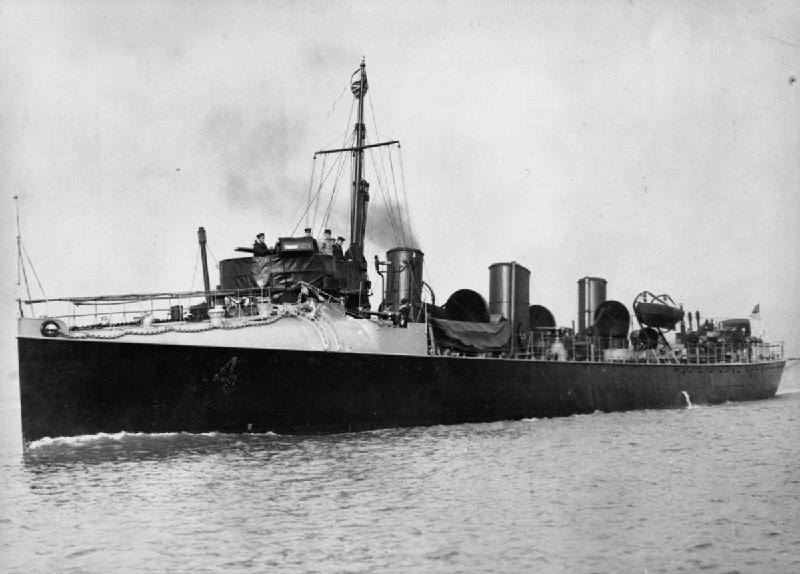
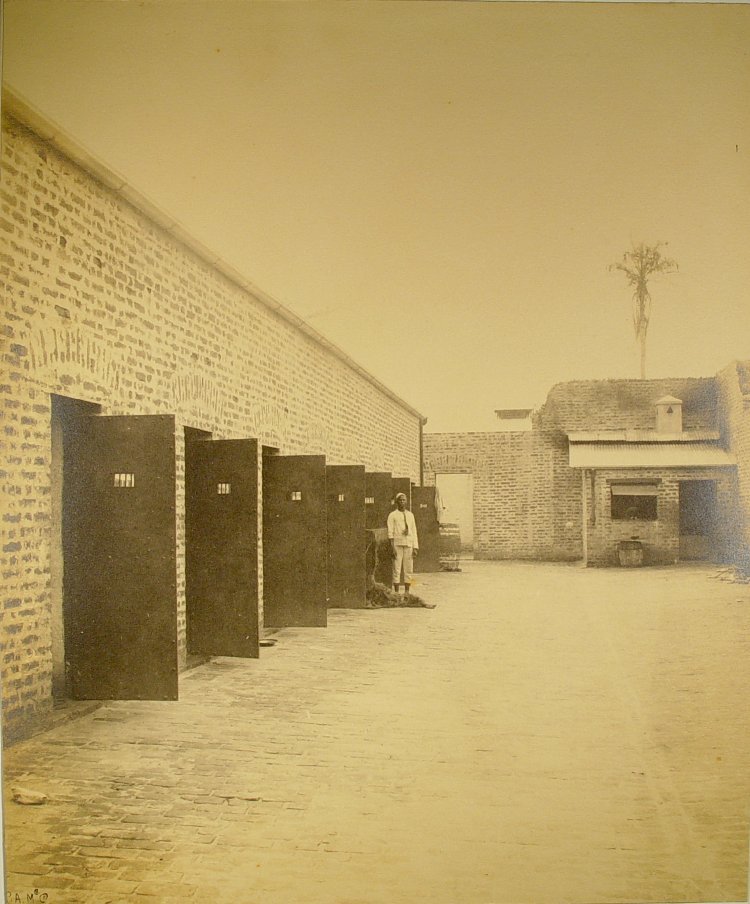
The HMS Flirt, a British gunboat, bombarded other resistant communities along the Niger River, including Asaba, in retaliation for their support of the Ekwumekwu. After crushing the rebellion, the British imprisoned traditional leaders and Ekumeku fighters in the Asaba jail, the RNC’s regional headquarters. This prison became a grim symbol of colonial control, where detainees—including chiefs and warriors, were held indefinitely without trial. Photographs from the British Museum (taken by P. A. McC.) show the Asaba jail as a fortified compound, underscoring its role in suppressing dissent.
Forced Conversion and the Spread of Catholicism
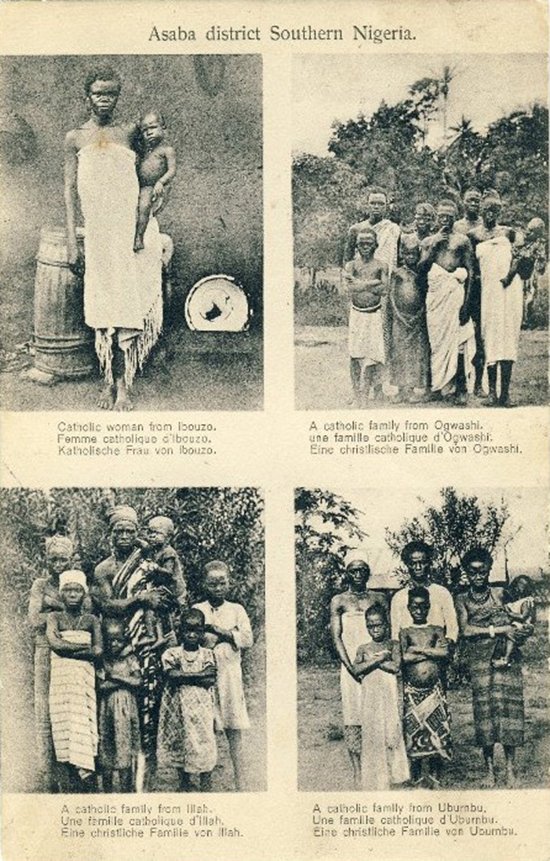
Following the suppression of the Ekumeku, Igbuzo was compelled to accept and protect Christian missionaries, accelerating Catholic conversion across the Anioma (western Igbo) region. The missions flourished, and by the early 20th century, Catholicism had taken deep root, as evidenced by postcards of Catholic families from western Igbo towns taken by M. Friedrich.
Born in Italy, Fr. Zappa spent his final years in Asaba, where he died and was buried at the SMA cemetery. His collaboration with the RNC underscores the complex relationship between missionary work and colonial violence in 19th-century Nigeria.
The Ekumeku resistance, though temporarily subdued, continued sporadic guerrilla warfare until 1911, marking one of the longest-lasting anti-colonial struggles in West Africa. The British response—marked by military brutality, forced conversions, and political subjugation—reveals the harsh realities of colonial pacification.
Sources and references
- Okwu, A. S. O. (2010). Igbo culture and the Christian missions, 1857–1957 . University Press of America.
- Igbafe, P. (1971). Western Ibo society and its resistance to British rule: The Ekumeku movement 1898–1911. The Journal of African History.
Cite this article
Discussion
Sign in to join the discussion
Comments are checked by an editor before they appear. Leave a source or a correction and it is read first.
Continue reading


No comments yet
Nothing has been approved on this record yet. Comments are checked by an editor before they appear, so one written now shows on this page after that check.