 Ozikoro
Historical Studies · Published history
The 1949 Aba Assembly: When Nnamdi Azikiwe Called for Igbo Unity and African Freedom
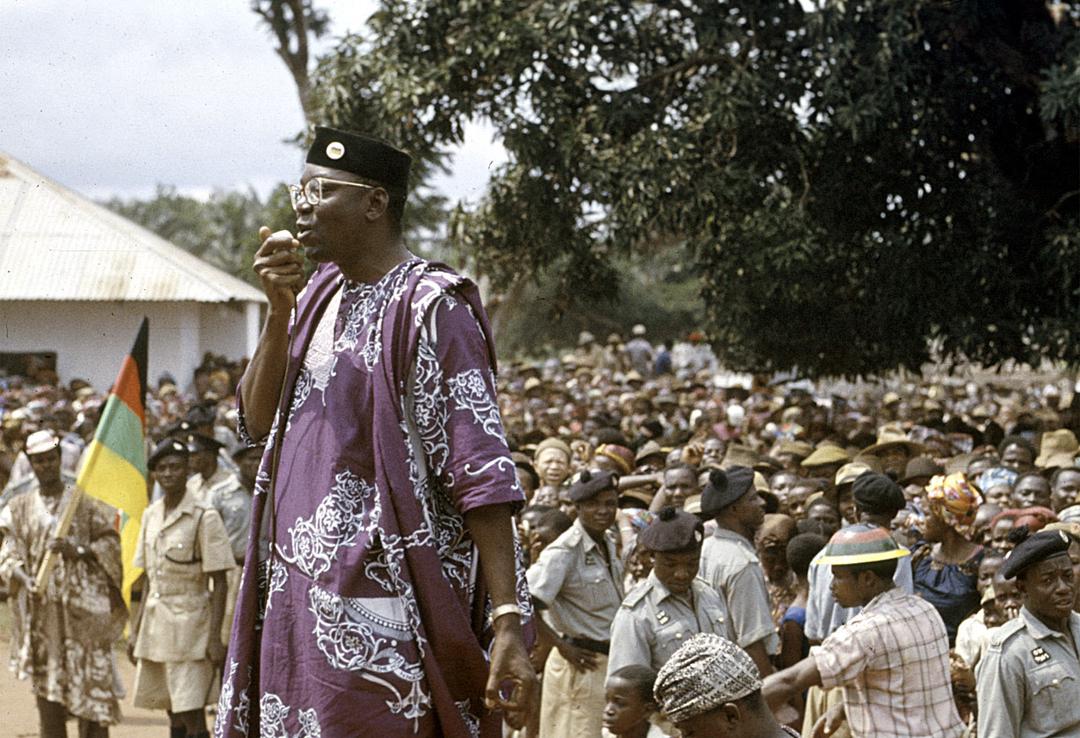
On a bright morning in 1949, the town of Aba in southeastern Nigeria stirred with uncommon energy. From Nsukka to Onitsha, from Owerri to Enugu, Igbo men and women gathered to witness something extraordinary. They came not for celebration but for a cause; a call to destiny.
The written record
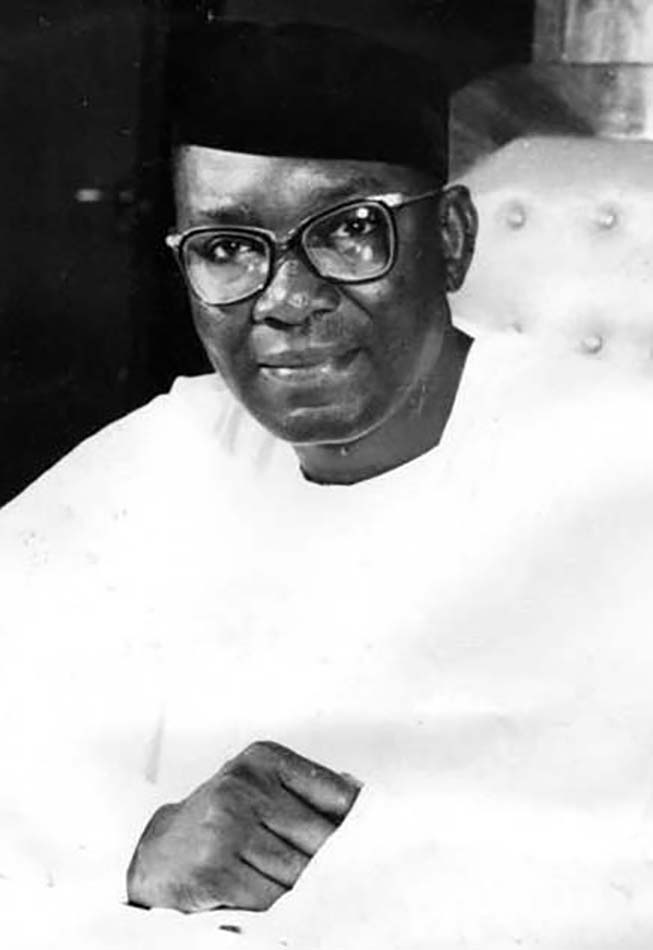
At the centre of this historic convergence stood Dr Nnamdi Azikiwe, the man later known as Zik of Africa. A journalist, nationalist, and visionary, Azikiwe had become a beacon of hope for millions yearning for liberation. That day, as he stood before the crowd, the air was charged with expectation.
He began with characteristic humility, acknowledging his role as a servant of history:
“The Ibo people,” Zik said, “have reached a cross-road, and it is for us to decide which is the right course to follow… There is only one road I can safely recommend for us to tread; the road to self-determination.”
Those words would echo far beyond Aba. They marked a turning point in Igbo consciousness, a declaration that freedom was no longer a distant dream but a right to be claimed, as the elders say, “Ihe mere eme, adịghị efu n’ọnụ onye kwuru ya” (What has happened never disappears from the mouth that tells it). The Aba Assembly ensured that this moment would never be forgotten.
Historical context
A Nation at a Crossroads
The late 1940s were turbulent years across Africa. Anti-colonial sentiments were rising, from the Gold Coast under Kwame Nkrumah to Kenya’s Mau Mau resistance. In Nigeria, the struggle was intensifying but the Igbo, in particular, found themselves at the heart of it. Colonial reports had portrayed the Igbo as troublesome, overly ambitious, and “uncooperative.” Infrastructure lagged, schools were few, and opportunities were scarce. Yet, as Azikiwe reminded his audience, the Igbo spirit (mmụọ ndì Igbo) had always thrived under adversity.
“Since suffering is the label of our tribe,” Zik declared, “we can afford to be sacrificed for the ultimate redemption of the children of Africa.”
That statement captured both pride and purpose. It spoke of a people ready to endure, not as victims, but as torchbearers of freedom. An Igbo proverb captures the essence of his vision: “Egbe bere, ugo bere; nke si ibe ya ebena, nku kwaa ya.” (Let the kite perch and let the eagle perch; if one says the other should not, may its wings break.) Zik’s call was not just for Igbo liberation but for equality and coexistence — the foundation of a just Africa.
Zik’s Vision: A United Africa
Beyond local politics, Azikiwe dreamed of a United States of Africa; a continent bound by shared history and collective strength. He saw the Igbo as part of a wider African destiny.
“Having undergone a course of suffering,” he said, “the Ibo must therefore enter into its heritage by asserting its birthright, without apologies.”
For Zik, self-determination was not rebellion but restoration. It was about reclaiming dignity lost to colonial rule and reminding the world that Africans had civilizations, systems, and values long before imperial borders were drawn. He reminded the gathering that no foreign army had ever conquered Igbo land by force, that courage, unity, and self-reliance were in their blood.
“A na-amaghị ama onye kwụụrụ onwe ya n’ọrụ.” (He who stands firm in his cause is never forgotten). The 1949 speech became the moral foundation of Nigeria’s nationalist movement.
Legacy of the 1949 Aba Assembly
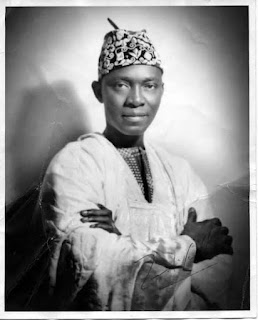
The Aba Assembly was more than a meeting; it was a renaissance. It revived pride in Igbo identity and gave shape to Nigeria’s broader independence movement. In the years that followed, Zik’s message of unity became a cornerstone for political mobilization. His belief that the freedom of one African people depended on the freedom of all resonated deeply with emerging leaders across the continent.
Even today, the lessons of that assembly remain relevant. At a time when ethnic divisions and political mistrust still challenge Nigeria’s unity, Azikiwe’s call reminds us that peace and progress begin with solidarity. As the proverb says: “Udo ka mma n’agha” (Peace is better than war). Yet Zik also understood that peace is not the absence of struggle, it is the fruit of justice and mutual respect.
Reflections: The Power of a Voice
The 1949 Aba Assembly remains a defining chapter in Igbo and Nigerian history. It showed how a single moment of courage could awaken a people’s consciousness and shape the course of a nation. Dr. Nnamdi Azikiwe was not merely a politician, he was a historian in action, a storyteller of destiny. Through his words, he redefined what it meant to be African: proud, united, and purposeful.
Every generation of Nigerians can find guidance in his message. For as the elders say,
“Ọ bụ na ngwụcha ka a na-amata onye ji ihe ọ bụla eme ihe” (It is in the end that one knows who used their gifts well). Zik used his gift; the power of the spoken word, to reshape history. His 1949 call in Aba was not just for unity, but for the awakening of a continent.
Sources and references
- Azikiwe, N. (1961). Zik: A selection from the speeches of Nnamdi Azikiwe, Governor-General of the Federation of Nigeria formerly President of the Nigerian Senate formerly Premier of the Eastern Region of Nigeria. Cambridge University Press.
- Falola, T., & Heaton, M. (2008). A history of Nigeria. Cambridge University Press.
- Ogbogbo, C. B. N. (2011). The dynamics of Igbo political culture. Ibadan University Press.
Cite this article
Discussion
Sign in to join the discussion
Comments are checked by an editor before they appear. Leave a source or a correction and it is read first.
Continue reading


No comments yet
Nothing has been approved on this record yet. Comments are checked by an editor before they appear, so one written now shows on this page after that check.