 Ozikoro
Historical Studies · Published history
The “Crisis in the Soul”: Chinua Achebe on Cultural Alienation and National Identity
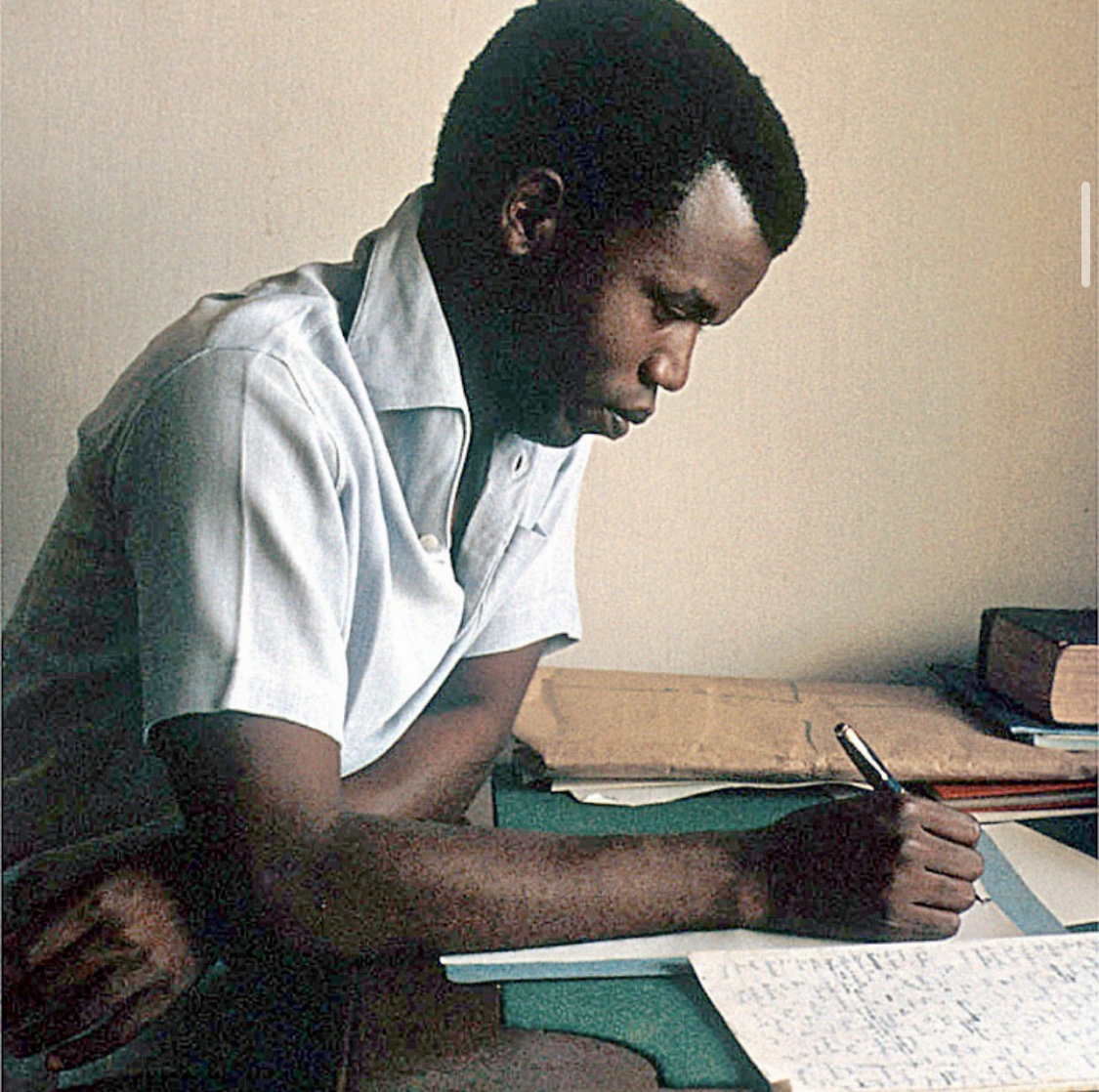
Chinua Achebe, one of Africa’s most influential literary voices, highlighted the deep-seated psychological and cultural challenges that countries like Nigeria faced post-independence. In a 1972 interview, Achebe described what he called a “crisis in the soul,” referencing the cultural alienation and internalized inferiority complex that colonialism had instilled in African societies.
The written record
Historical context
The Cultural Crisis
Achebe emphasized how colonial rule, combined with the adoption of Western values, led many Nigerians to devalue their indigenous traditions and identity. Parents, particularly Christian ones, often regarded traditional dances, handicrafts, and other expressions of Nigerian heritage as inferior or even sinful. This pervasive mindset eroded cultural confidence and fostered a sense of inadequacy in local customs and values. Achebe believed that this rejection of native traditions in favour of foreign norms was not only damaging but had continued to persist even after Nigeria achieved independence in 1960.
Achebe’s Role as a Writer
Achebe saw the writer’s role as pivotal in addressing this cultural decay. He believed that writers bore a responsibility to reawaken cultural pride and restore self-esteem within their communities. His own work, beginning with Things Fall Apart (1958), serves as a critical exploration of the consequences of colonialism and the loss of cultural identity among the Igbo people. Through literature, Achebe sought to document and celebrate African traditions while critiquing the forces that sought to suppress them.
Broader Implications
Achebe’s reflections highlight broader themes of cultural revival and decolonization that were central to the post-independence period across Africa. By advocating for the rediscovery and preservation of indigenous culture, he joined a wider intellectual movement aimed at reclaiming African heritage. Achebe’s message resonates beyond Nigeria, as many formerly colonized nations grapple with similar legacies of alienation and the challenges of rebuilding cultural identity in a globalized world.
The Legacy of Achebe’s Advocacy
Decades later, Achebe’s insights remain relevant. His call to embrace and celebrate local culture has inspired generations of African writers, artists, and intellectuals to challenge colonial narratives and redefine their identities. In a modern Nigeria where traditional and contemporary cultures coexist, Achebe’s advocacy for cultural pride continues to inform conversations about national identity and heritage.
“What I think is the basic problem of a country like Nigeria is really what you might call a “crisis in the soul. We have been subjected – we have subjected ourselves too — to this period during which we have accepted everything alien as good and practically everything local or native as inferior. I could give you illustrations of when I was growing up, the attitude of our parents, the Christian parents, to Nigerian dances, to Nigerian handicrafts; and the whole society during this period began to look down on itself, you see, and this was a very bad thing; and we haven’t actually, even now with the independence, we still haven’t got over this period. You see, a writer has a responsibility to try and stop this.” — Chinua Achebe.
Sources and references
- Achebe, C. (1972). In Pieterse, C., & Duerden, D. African Writers Talking (pp. 7-8). London: Heinemann.
- Achebe, C. (1958). Things Fall Apart. London: Heinemann.
- Pieterse, C.; Duerden, D. (1972). African Writers Talking. pp. 7-8.
- Nwahunanya, C. (2011). A Harvest from Tragedy: Critical Perspectives on Chinua Achebe. Springfield Publishers.
- Smithsonian Institution. (1959). Chinua Achebe photographed by Eliot Elisofon in Enugu. Retrieved from Smithsonian archives.
- Wa Thiong’o, N. (1986). Decolonising the Mind: The Politics of Language in African Literature. James Currey.
Cite this article
Discussion
Sign in to join the discussion
Comments are checked by an editor before they appear. Leave a source or a correction and it is read first.
Continue reading


No comments yet
Nothing has been approved on this record yet. Comments are checked by an editor before they appear, so one written now shows on this page after that check.