 Ozikoro
 Historical Studies · Published history
The Cross and the Classroom: The CMS Mission and the Literacy Revolution in Early 20th-Century Sapele
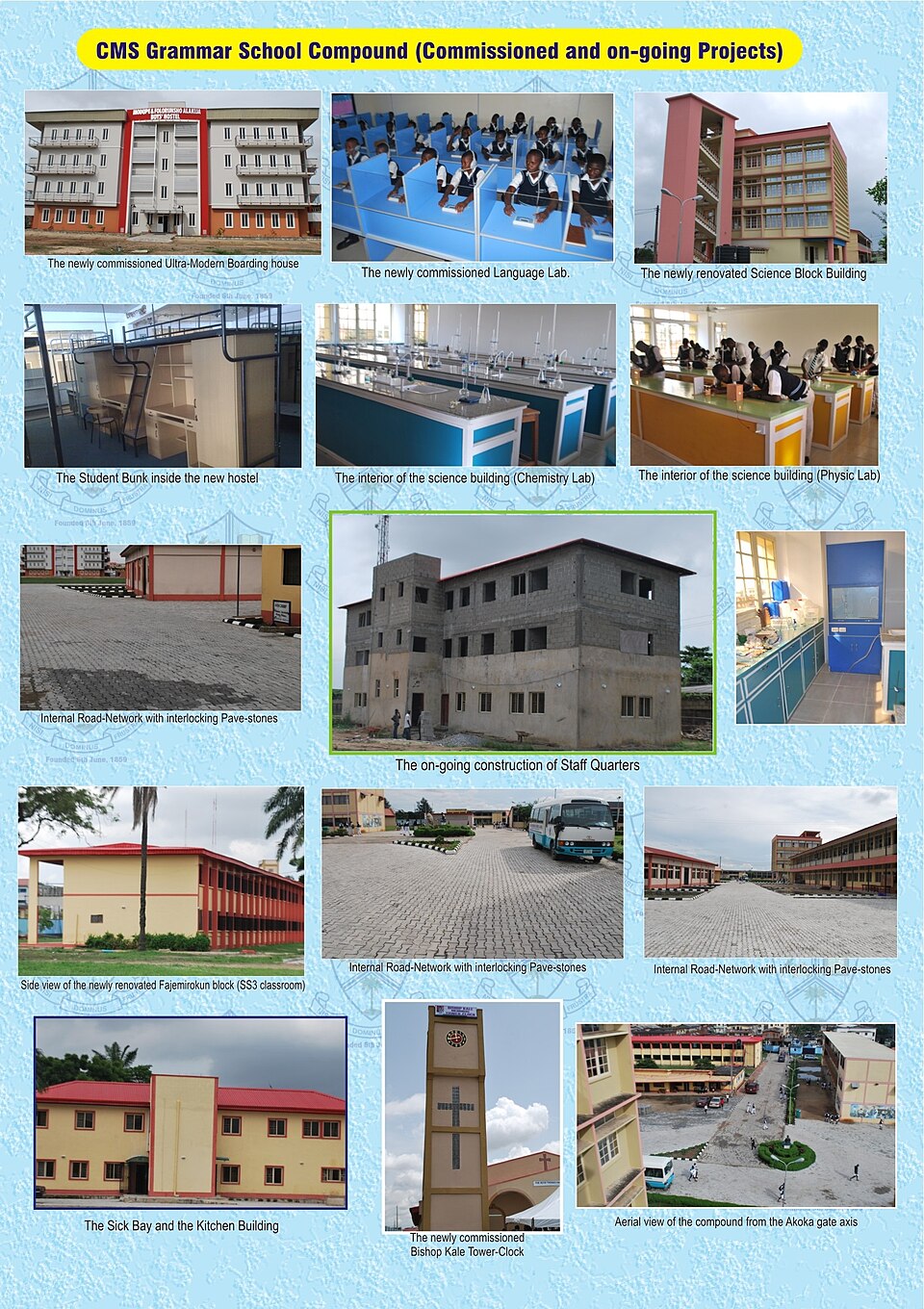
The dawn of the 20th century in the Niger Delta was marked by a profound transformation that extended beyond the realms of trade and colonial administration. While the 17th-century Portuguese palace schools had introduced literacy to the royalty of Ode-Itsekiri, it was the arrival of the Church Missionary Society (CMS) that democratized Western education for the broader populace. In Sapele, a burgeoning port town at the confluence of the Ethiope and Jamieson Rivers, the CMS played a definitive role in dismantling the barriers to knowledge. By establishing a foothold in this strategic commercial hub, the CMS did not merely seek converts; they created a “literate class” of clerks, traders, and teachers who would become the administrative backbone of the Western Niger Delta. This article explores the role of the CMS mission in Sapele, focusing on its contributions to literacy, the social impacts of missionary schooling, and the enduring legacy of the “missionary-educated” elite.
The written record
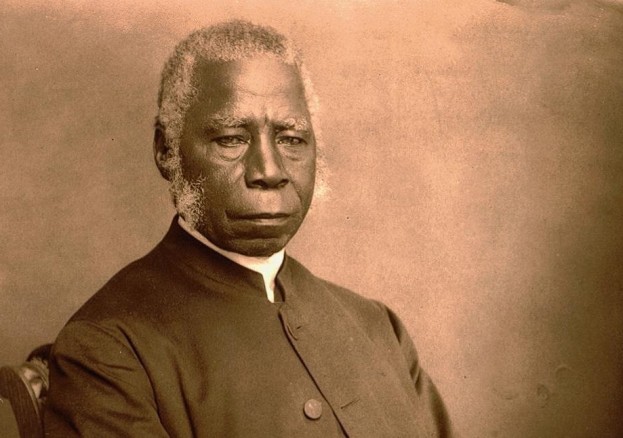
Photo Credit: Royal Commonwealth Society Library / Cambridge University Library.
Historical context
The Strategic Arrival: Sapele as a Missionary Frontier
The CMS expansion into Sapele was not accidental. As the British colonial government shifted its administrative focus inland to take advantage of the timber and rubber booms, the missionaries followed the “flag and the trade”;
The 1900s Expansion: Following the British punitive expeditions and the establishment of the Southern Nigeria Protectorate, the CMS sought to move beyond their traditional bases in Onitsha and Abeokuta. Sapele, with its diverse population of Itsekiri, Urhobo, and Ijaw, presented a fertile ground for “evangelism through education.”
The “Book” as a Tool for Conversion: The CMS philosophy was rooted in the belief that for an individual to truly embrace Christianity, they must be able to read the Bible. This necessitated the establishment of schools alongside every chapel. In Sapele, the “schoolroom” often preceded the “church building.”
Local Cooperation: Unlike the resistance faced in some traditionalist strongholds, many Sapele merchants welcomed the CMS. They recognized that literacy was the “new currency” required to deal with the British colonial officers and the United Africa Company (UAC).
The CMS School System: The Architecture of Literacy
The CMS did not just provide a basic education; they introduced a structured system that standardized the English language and arithmetic in the region;
St. Luke’s and Early Foundational Schools: The establishment of St. Luke’s CMS School in Sapele became a landmark in the town’s history. It served as a “central academy” that attracted students from as far as the Urhobo hinterland;
The Curriculum of Modernity: The curriculum focused on the “Three Rs”, Reading, Writing, and Arithmetic. However, it also included “Character Training” and “Hygiene,” which were designed to produce citizens who could fit into the Westernized “civil service” and “commercial firms.”
The Vernacular Debate: Interestingly, the CMS often translated educational materials into local languages (particularly Yoruba and later efforts in Itsekiri and Urhobo) to facilitate understanding. This had the unintended but positive effect of codifying local dialects into written forms, preserving them for future generations.
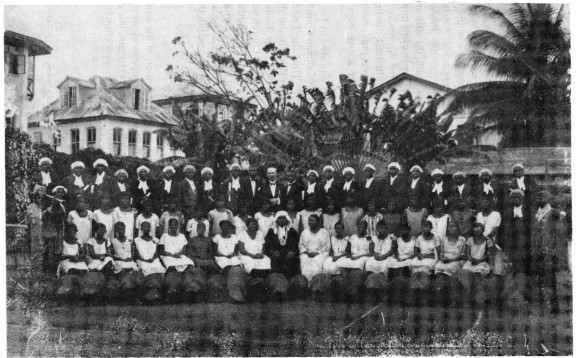
Photo Credit: Church Missionary Society Archive / University of Birmingham Special Collections.
The Social Impact: Breaking Traditional Monopolies
Before the CMS schools, knowledge was often a “hereditary privilege” reserved for the nobility or the elders of the secret societies. The mission schools changed this social dynamic;
Upward Social Mobility: Literacy provided a “ladder” for the children of commoners and domestic laborers. A young man who could read and write could become a “Customs Clerk” or a “Storekeeper” for the timber firms, earning a salary that bypassed traditional agricultural wealth.
The Education of Women: While initially focused on boys, the CMS eventually pushed for the education of girls. This was revolutionary in a society where a woman’s role was strictly defined by domesticity and trade. The “CMS girls” became the first generation of female teachers and nurses in Sapele.
The Erosion of “Secret” Power: As the younger generation gained access to Western science and literature, the “mystical authority” of traditional regulatory systems like the Ekpe or Oghu began to wane among the educated class, leading to a shift toward “secular law.”
Literacy as an Economic Catalyst in the Port Town
In Sapele, the “commercial empire” of the early 20th century was powered by the pens of CMS-educated clerks;
Intermediaries of the Timber Trade: The “Sapele Mahogany” boom required a workforce capable of managing shipping manifests, timber concessions, and legal contracts. The CMS schools provided the “human capital” that enabled Sapele to become a global hub for the United Africa Company (UAC).
The Rise of the “Letter-Writer”: For those who did not work in firms, the ability to read and write made them “professional intermediaries.” Literate individuals would set up stalls outside government offices to help illiterate traders draft petitions and letters to the British District Officers.
Technological Adaptation: Literacy facilitated the introduction of new technologies. The ability to read manuals allowed Sapele residents to operate the “steam engines” and “sawmills” that defined the town’s industrial landscape.
Challenges and Missionary Tension
The CMS mission in Sapele was not without its internal and external conflicts;
Denominational Rivalry: The arrival of the Roman Catholic Mission (RCM) and the Baptists led to a “race for schools.” While this competition accelerated the spread of literacy, it also created “sectarian divisions” within the Itsekiri and Urhobo communities that often mirrored the “denominational maps” of Europe.
Cultural Displacement: Critics of the CMS mission argued that their education system encouraged a “rejection of African heritage.” Students were often forbidden from speaking their mother tongues on school grounds, a practice that led to a “cultural rift” between the educated elite and the traditional elders.
Funding and Sustainability: The CMS frequently relied on “school fees” and local contributions. In times of economic downturn, such as the period following the First World War, many schools struggled to remain open, leading to a “fluctuating literacy rate.”
The Church Missionary Society’s role in Sapele was the “bridge” between the pre-colonial world of oral tradition and the modern era of global documentation. By the mid-20th century, Sapele boasted one of the highest literacy rates in the Niger Delta, a direct result of the foundations laid by the CMS. The “missionary boys” of Sapele went on to lead the struggle for Nigerian independence and became the doctors, lawyers, and engineers of a new nation. While the religious impact of the CMS remains visible in the steeples of Sapele’s churches, their true monument is the “culture of learning” they instilled. The CMS did not just teach the people of Sapele how to read the Bible; they taught them how to read and write their own history.
Sources and references
- Ajayi, J. F. A. (1965). Christian Missions in Nigeria, 1841-1891: The Making of a New Elite. Longman.
- Ayandele, E. A. (1966). The Missionary Impact on Modern Nigeria, 1842-1914: A Political and Social Analysis. Longmans.
- Bassey, M. O. (1998). Missionary Rivalry and Educational Expansion in Nigeria, 1885-1932. Peter Lang.
- Ikime, O. (1969). Niger Delta Rivalry: Itsekiri-Urhobo Relations and the European Presence 1884-1936. Longmans. (Discussing the socio-political context of Sapele).
- Lloyd, P. C. (1963). The Itsekiri. International African Institute.
- Nair, K. K . (1972). Politics and Society in South Eastern Nigeria, 1841-1906. Cass.
Cite this article
Discussion
Sign in to join the discussion
Comments are checked by an editor before they appear. Leave a source or a correction and it is read first.
Continue reading


No comments yet
Nothing has been approved on this record yet. Comments are checked by an editor before they appear, so one written now shows on this page after that check.