 Ozikoro
 Historical Studies · Published history
The Cultural and Historical Context of Isi Agụ in Igbo Material Culture
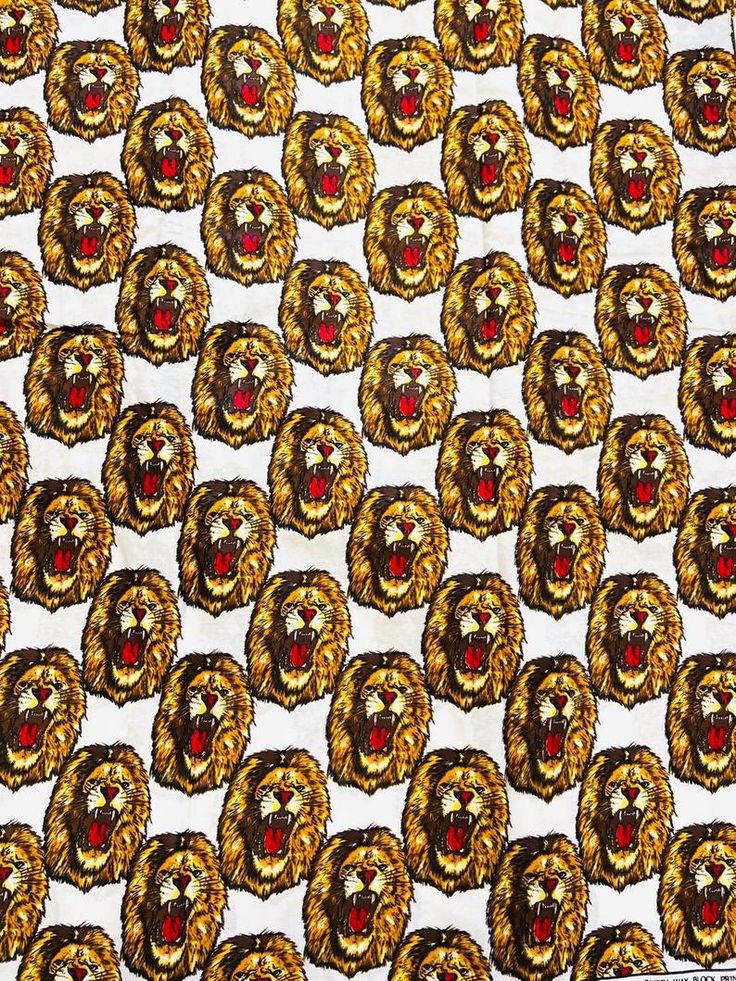
The fabric called Isi Agụ is an important part of Igbo traditional clothing, especially for men, and is often seen as a symbol of status and cultural identity. However, its history, design, and meaning tell a more detailed story of cultural exchange, change, and modern updates. This article looks at the history, culture, and beauty of Isi Agụ, showing how it fits into Igbo culture and its connections to global influences.
The written record
Historical context
The Origins of Isi Agụ Fabric
Isi Agụ, which means “lion head,” is a printed fabric that became popular in the mid-20th century. Its designs often show lion heads, which have become a symbol of high status in Igbo clothing. Even though it is strongly linked to Igbo culture today, the designs and patterns of Isi Agụ did not originally come from the Igbo people.
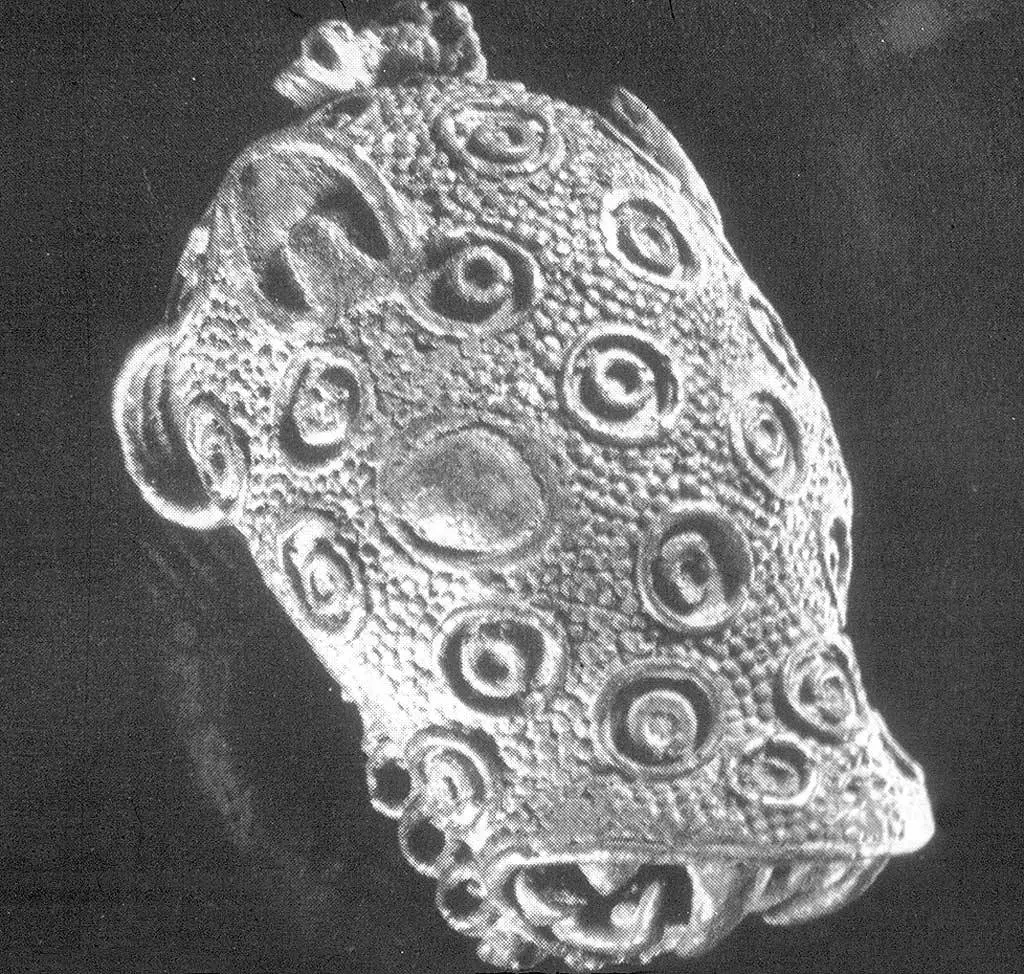
In the past, European traders brought fabrics with gold embroidery to the Niger Delta region, mostly for the Kalabari people. These embroidered velvets, often made in India, were a symbol of wealth and status for many years. The design of Isi Agụ fabric seems to be inspired by these imported gold-embroidered textiles, but it lacks the handmade quality of the earlier velvets.
If “agụ” is Leopard, and “ọdụm” is Lion, Why is it not Isi ọdụm?
Akwa isiagụ is a cloth with patterns of a lion’s head. Some designs show a softer-looking lion with cow horns beside it.
Igbo chiefs and people with Nze and ọzọ titles wear isiagụ for ceremonies. At weddings and cultural events, people wear isiagụ in different shades and styles, and it brings them pride.
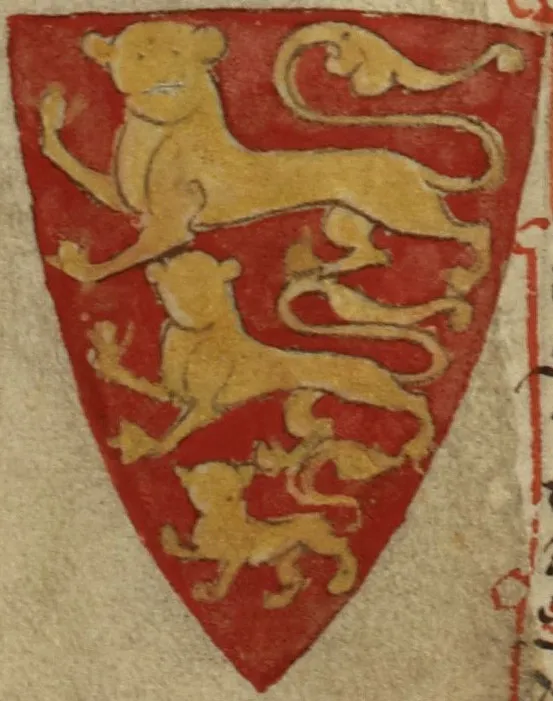
However, this lion design is not originally Igbo. The lion has no real meaning in Igbo culture. Calling it “isiagụ” (lion’s head) is wrong because agụ does not mean lion—it means Leopard. Many Igbos mistakenly think agụ means lion. Some even say ọdụm is a tiger or edi abalị is a Leopard, which is incorrect.
Lions and tigers are not native to Igbo lands. Tigers live in Asia, not Africa. Edi abalị refers to the African civet, a smaller animal than a leopard, with black-and-white spots. It’s a timid carnivore that is not admired in Igbo culture. The civet is associated with laziness and trickery. That’s why Igbos use “edi aghụghọ” to describe a deceptive person.
The Leopard (agụ) is admired in Igbo culture for its bravery, strength, and agility. Leopards have spots that help them blend into the forest, making them excellent hunters. Unlike lions, leopards live alone and are skilled at hiding and attacking quietly. A leopard can climb trees fast, run long distances, and swim. It can leap far and catch prey mid-air.
On the other hand, Lions live in open grasslands, not forests like leopards. They are social and live in groups called pride. Lions are stronger and faster in short bursts but less agile. Leopards, however, are more versatile and can hunt on land, in water, or trees.
In ancient Igbo culture, the Leopard was seen as a symbol of power, bravery, and skill—many Igbo families and communities named themselves after the Leopard, like Umuagụ or Eziagụ. Killing a leopard was considered heroic, and the hunter earned the Ogbu Agụ title. The Leopard’s skin and gall bladder were also highly valued.
Leopards were so respected that people thought they had mystical powers. Some believed that certain men could transform into leopards, gaining their strength and abilities. In some areas, leopards were even called agụ owuru, meaning “mysterious leopard” or “leopard that appears and disappears.”
The Leopard was a big part of Igbo life and culture, representing strength, courage, and mystery.
Victorian Influence on Igbo Traditional Menswear
The Isi Agụ design and its associated garments, like etibo and wokor, look very similar to Victorian English dress shirts from the 19th century. These shirts, which had a fitted style and certain patterns, were likely changed into traditional clothes by people in the Niger Delta and eastern Nigeria. Over time, these clothes were adapted to fit local tastes and customs, becoming what we now call “traditional” Igbo clothing.
For centuries, people in the Niger Delta and nearby areas have included European clothing and goods in their culture. This explains why accessories like top hats are common in traditional ceremonies and why the practice of pouring schnapps to ancestors, which came from European contact, is still followed.
The Question of Authenticity in Traditional Wear
Today, ‘traditional’ clothes can encompass many types of clothing, such as ball gowns at traditional weddings. This makes us question what counts as authentic in Igbo culture. Some researchers and cultural supporters say that ‘traditional’ should be classified by how the clothes are made locally. For clothing, this would mean that the materials (like cotton or wool) are grown in the area, and the designs reflect local traditions and beliefs. According to this idea, Isi Agụ and other machine-made fabrics might be seen as less “authentic” compared to clothes made by hand by Igbo artisans.
Eastern Nigerian Use of Imported Textiles
The use of imported fabrics, such as Indian George or Madras, has a long history in eastern Nigeria. These textiles, introduced through trade networks established by European colonisers, became deeply integrated into Igbo material culture. Their vibrant colours and intricate patterns resonated with local aesthetic preferences, leading to their widespread adoption for ceremonial and everyday wear.
Reimagining Igbo Material Culture
The example of Isi Agụ shows how Igbo culture has changed over time. It questions strict ideas of tradition and authenticity and highlights how culture can borrow and adapt from others. The key question is: How can new ideas and outside influences be added to Igbo culture without losing its original roots?
One way to approach this is by focusing on local production and craftsmanship. For example:
- Supporting Igbo artisans who make fabrics using traditional weaving methods and patterns.
- Bringing back local materials, like handwoven cotton or raffia, in modern fashion.
- Promoting designs inspired by Igbo symbols instead of relying on Western images.
Isi Agụ fabric and the clothes made from it show an interesting mix of history, culture, and globalisation. Even though its designs and origins might not be fully local, its use in Igbo culture shows how the community has adapted and redefined its traditions.
Sources and references
- Lutz, H. A. (2004). Cultural Authentication and Fashion in the Global Factory: A Panel of Four Papers. Textile Society of America Symposium
- Okwu ID. (2023, April 16). The origins of Isi Agụ: Lion or leopard?
- RexClarkeAdventures. (2023, October 15). British colonialism and its influence on modern Nigerian fashion: An in-depth analysis of Nigerian fashion tradition .
- What Igbos need to know about Isiagu symbol. (n.d.). The Southern Examiner.
Cite this article
Discussion
Sign in to join the discussion
Comments are checked by an editor before they appear. Leave a source or a correction and it is read first.
Continue reading


No comments yet
Nothing has been approved on this record yet. Comments are checked by an editor before they appear, so one written now shows on this page after that check.