 Ozikoro
 Historical Studies · Published history
The Dike Revolution: How Indigenous Scholarship Challenged Colonial Historiography in Nigeria
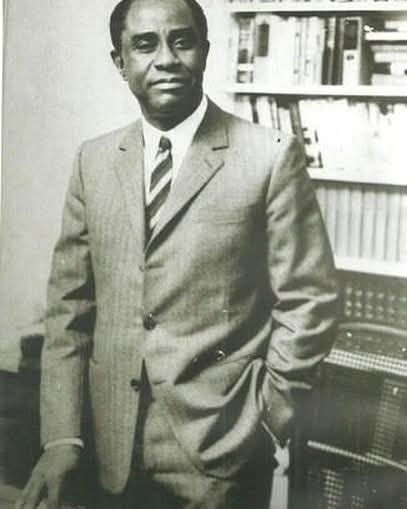
In the quiet university town of Ibadan in the 1950s, something profound was stirring. The winds that rustled the mango trees carried more than tropical heat; they carried an awakening. At the heart of this awakening stood Kenneth Onwuka Dike, a calm yet determined scholar from Awka, Anambra State, the man whose pen would one day dismantle centuries of colonial bias and reclaim the dignity of African history.
The written record
Historical context
Before Dike: The Story of a Silenced Continent
Before Dike, Africa’s story was told mostly by outsiders, missionaries, colonial administrators, and anthropologists who wrote with pens dipped in prejudice. To them, Africa was a “dark continent,” its people “without history.” The Igbo, like many African societies, were portrayed as primitive and static. Dike refused this erasure. He famously declared that “to write the history of a people from the outside is to misunderstand their soul”. And so began a quiet revolution, not with gunfire, but with ink.
“A na-amaghị ama onye kwụụrụ onwe ya n’ọrụ ” (He who stands firm in his work is never forgotten). Truly, that proverb could have been written for Dike himself.
The Making of a Scholar
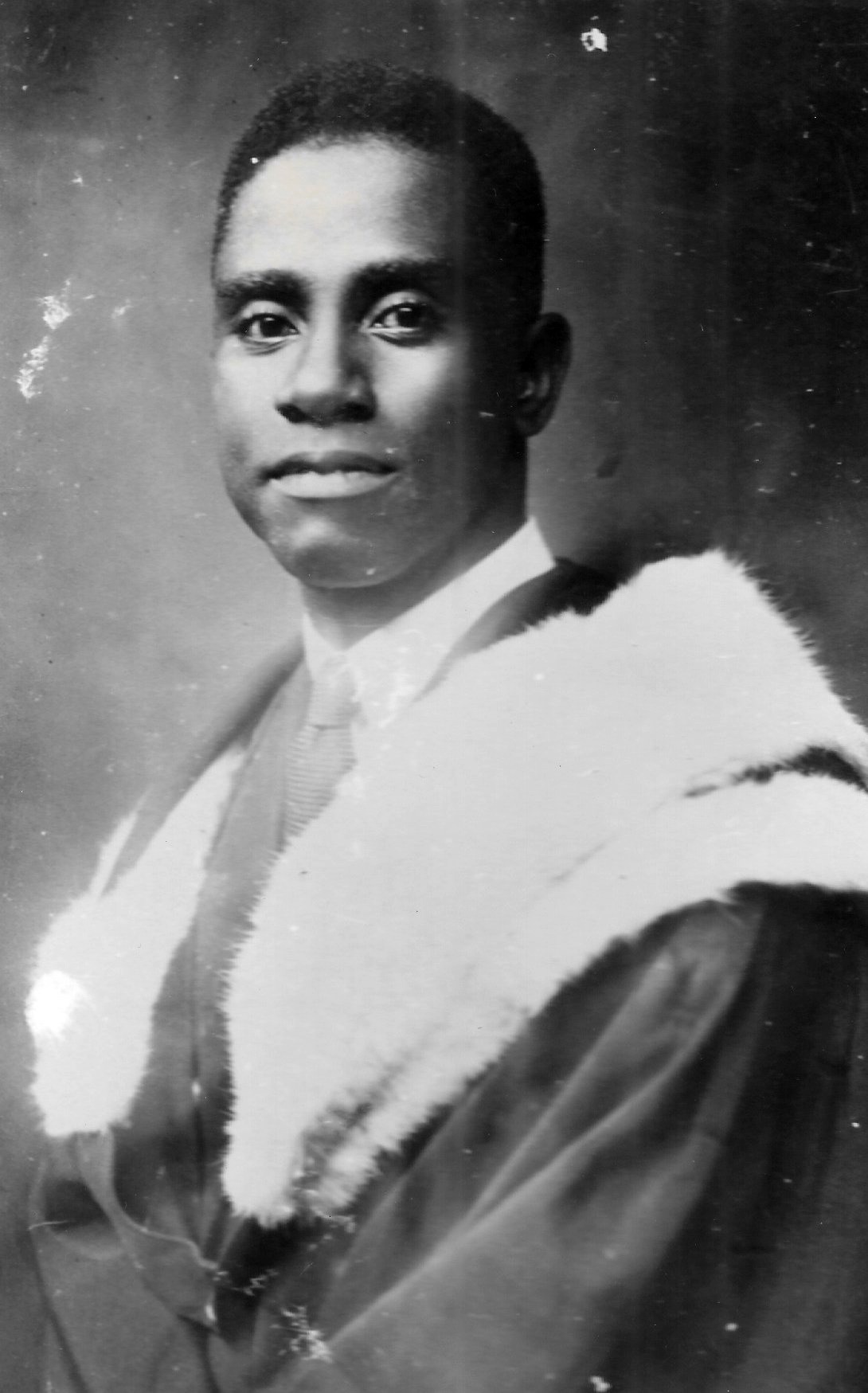
Born in 1917, Kenneth Onwuka Dike’s path was paved with brilliance and conviction. After earning degrees from the University of London and the University of Aberdeen, he became the first Nigerian to earn a PhD in History. His groundbreaking book, “Trade and Politics in the Niger Delta, 1830–1885,” changed everything. It revealed that long before colonial intrusion, African societies were already organised, strategic, and engaged in global trade.
He wrote of Igbo and Delta merchants, negotiating, resisting, and shaping their own destinies. Through his research, Dike restored agency to African peoples. “Ọ bụghị mmadụ anaghị ekwu okwu; bụ́ na e chefuru onye kwuru” (It’s not that one cannot speak; it’s that their voice was forgotten). Dike gave Africa her voice back.
The Clash of Narratives
Dike’s real battle wasn’t fought on the streets, but in classrooms and archives. Colonial historians dismissed African oral traditions as “myths”. Dike countered with evidence drawn from oral histories, local records, and material culture, sources that Europeans had called “unscientific.” By doing so, he legitimised African knowledge systems and proved that truth can speak through the drums of memory.
This approach birthed what became known as Indigenous Historiography, an academic and cultural revolution that placed African perspectives at the centre of African history. “Nwata kụrụ azu, o jiri aka ya kpọọ ya” (When a child catches a fish, he should hold it up himself). Dike caught the fish of truth, and he refused to let foreigners display it for him.
Legacy: The Flame He Ignited
Kenneth Dike’s revolution inspired a generation; Adiele Afigbo, Don Ohadike, Nwando Achebe, Elizabeth Isichei, and others, who continued to tell Igbo and African stories through African eyes. As the first Vice-Chancellor of the University of Ibadan, Dike built an intellectual home for African scholarship.
He also helped establish the Nigerian National Archives, preserving voices that colonial history had ignored. His influence spread across Africa. From Ghana to Kenya, historians began rewriting their nations’ stories, no longer as tales of discovery, but as chronicles of resilience and innovation.
“Ihe onye metere ka ọ ga-eri” (What a person sows is what they will reap). Dike sowed truth; his people reaped liberation.
Reflections: Reclaiming the Pen
Looking back, the Dike Revolution was not just an academic shift; it was a cultural rebirth. It was the moment Africans seized the pen and began to write their own story. Dike reminded the world that history is not neutral; it is power: Power to define. Power to validate. Power to shape identity.
Today, in classrooms across Africa, his legacy lives on; every Igbo child who reads of their ancestors with pride walks the path he cleared. “Ọ bụ na ngwụcha ka a na-amata onye ji ihe ọ bụla eme ihe” (It is in the end that one knows who used their gifts well). And truly, Kenneth Onwuka Dike used his gift to give Africa back its story.
Sources and references
- Dike, K. O. (1956). Trade and Politics in the Niger Delta, 1830–1885. Oxford University Press.
- Keazor, E. E. (2018). Igbo historiography: Milestones, triumphs, and challenges. Premium Times Opinion.
- Nwauwa, A. O. (2015). The Role of Kenneth Onwuka Dike in the Development of African Historiography.
- Ogbogbo, C. B. N. (2011). The Dynamics of Igbo Political Culture. Ibadan University Press.
Cite this article
Discussion
Sign in to join the discussion
Comments are checked by an editor before they appear. Leave a source or a correction and it is read first.
Continue reading


No comments yet
Nothing has been approved on this record yet. Comments are checked by an editor before they appear, so one written now shows on this page after that check.