 Ozikoro
 Historical Studies · Published history
The Historical Rise of Onitsha as West Africa’s Premier Inland Market
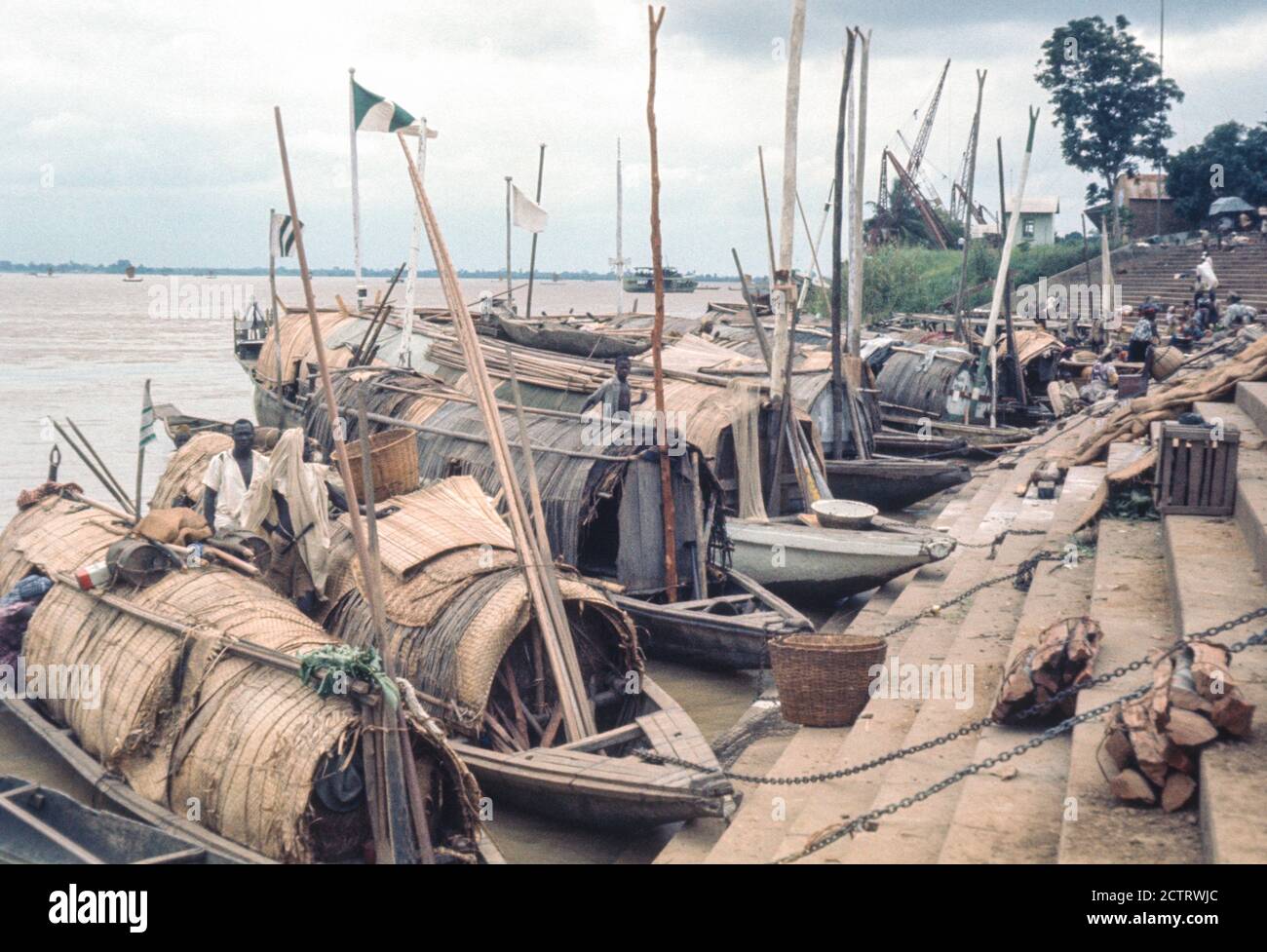
The city of Onitsha, perched majestically on the eastern bank of the Niger River, has earned its reputation as the “beating heart of West African commerce.” Known globally for housing the Onitsha Main Market, one of the largest and busiest trading hubs on the continent, the city’s significance transcends mere buying and selling. Historically, Onitsha emerged as a “strategic gateway,” a liminal space where the aquatic highways of the Niger met the dense forest footpaths of the Igbo hinterland. Its rise was not accidental but the result of a unique confluence of geography, migration, and the “mercantile adaptability” of its people. By linking the Atlantic commerce of the coast with the complex Aro merchant networks and the deep resources of the interior, Onitsha transformed from a riverine settlement into a premier inland market.
The written record
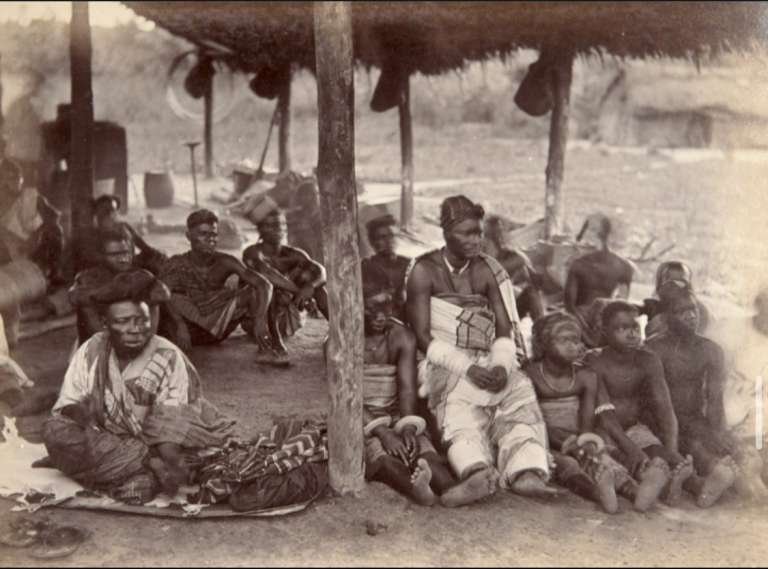
Historical context
Geography as Destiny: The Niger River and the Hinterland Gateway
The primary catalyst for Onitsha’s ascent was its “peerless geographic positioning.” Located at the highest point of the Niger River navigable by large vessels year-round, it became the natural terminus for goods moving inland;
- The Riverine Highway: The Niger River acted as a “conveyor belt,” transporting European goods, salt, and spirits from the Bight of Biafra upwards, while carrying palm oil, ivory, and timber from the interior downwards. Onitsha served as the “transfer station” where these goods were broken down for inland distribution.
- The Confluence of Worlds: Unlike coastal ports that were often swampy and isolated, Onitsha offered a stable, elevated terrain that provided easy access to the “densely populated Igbo heartland.” This made it the most efficient gateway for the “Atlantic-Hinterland” exchange.
- Cross-River Integration: Its position across from Asaba allowed Onitsha to integrate trade from the western Igbo and Edo regions, effectively making it a “cross-regional clearinghouse” for the Cross-Niger area.
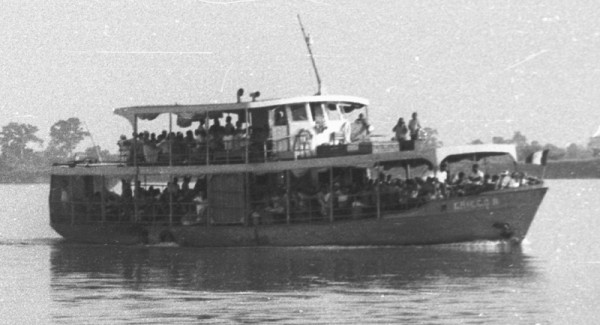
Photo Credit: LIFE Magazine Photo Archive / Eliot Elisofon.
The Aro Network and the “Inland Connection”
While the river brought the world to Onitsha, the Aro Merchant Network brought the hinterland to Onitsha’s doorstep:
- Aro Hegemony: The Aro people, utilizing their “sacred and commercial authority,” channeled the flow of slaves and later palm oil toward the Onitsha market. They provided the “logistical backbone” that connected remote forest villages to the riverine trade.
- Diplomatic Intermediaries: Onitsha’s elite, the Obi and his council, maintained delicate “diplomatic alliances” with Aro agents. This ensured that trade routes remained open and that the market was protected from the “inter-communal skirmishes” that often disrupted commerce elsewhere.
- The Supply Chain of the 18th Century: Through the Aro, Onitsha became the primary outlet for the “refined produce” of the interior, including high-quality cloth and ironwork, which were traded for coastal commodities.
The 19th Century Transition: Palm Oil and the “Legitimate Trade”
The abolition of the Atlantic slave trade in the early 19th century necessitated a shift to “legitimate commerce,” a transition that solidified Onitsha’s status as a premier inland market;
- The Palm Oil Revolution: As Europe’s Industrial Revolution fueled a demand for lubricants and soap, palm oil became the “new gold.” Onitsha sat at the center of the world’s most productive palm oil belt.
- The Advent of Steam Power: The 1850s saw the arrival of British steamships, such as the Pleiad. The establishment of the United African Company (UAC) and later the Royal Niger Company in Onitsha transformed the city into a “modern administrative and commercial depot.”
- The 1857 Treaty: The establishment of a permanent British factory in 1857 marked Onitsha’s official entry into the “global capitalist system.” It was no longer just a regional market; it was an international port of entry.
Cultural Hybridity and the “Onitsha Market Literature”
Onitsha’s role as a market facilitated a unique “intellectual and cultural exchange” that birthed a literary movement;
- The Hub of Information: Markets are not just for goods; they are for “news and ideas.” Onitsha became the center of education and printing in the East.
- Onitsha Market Literature: This was a vibrant genre of “pulp fiction and self-help pamphlets” written by and for the common trader. These booklets, sold in the stalls of the Main Market, dealt with themes of “money, love, and the pitfalls of urban life,” reflecting the city’s burgeoning urbanity.
- Cosmopolitanism: The market drew in Hausa, Yoruba, Efik, and European traders, creating a “polyglot environment.” This diversity fostered a spirit of “innovation and competition” that remains the hallmark of Onitsha’s business culture.
The Architecture of Commerce: The Rise of the Main Market
The physical evolution of the Onitsha Main Market mirrors the city’s economic growth, eventually becoming a “colossus of retail and wholesale”;
The Otu-Nkwo Roots: The market began as Otu-Nkwo, a riverbank site where local women traded fish and farm produce. By the mid-20th century, British colonial planning helped formalize its structure into the “largest covered market in West Africa.”
The Reconstruction Post-1970: After being severely damaged during the Nigerian Civil War, the market was rebuilt with “resilient communal effort.” It became the center of the “import-substitution economy,” where goods from the East (Asia) were redistributed across the continent.
Symbol of Igbo Enterprise: The Main Market became the “training ground” for the Igbo apprenticeship system (Igba Boi). It is here that the “billionaires of tomorrow” learn the “art of the deal” and the management of “complex supply chains.”
Aerial view of the bustling market street teeming with colorful umbrellas and busy traffic, vibrant scene under a cloudy sky, Onitsha, Anambra, NigeriaPhoto credit; Alamy
Onitsha as a Strategic Gateway for Atlantic Commerce
Onitsha’s most significant historical function was its role as the “bridge” between the Atlantic world and the African heartland;
- Direct Atlantic Links: By the late 19th century, Onitsha was bypassed by coastal “middlemen,” allowing hinterland producers to deal “directly with global exporters.” This led to a massive increase in the wealth and “purchasing power” of the interior Igbo.
- The Logistics of Distribution: Onitsha became the point where European “textiles, kerosene, and corrugated iron” were first introduced to the hinterland. The city effectively “modernized the interior” through the commodities it distributed.
- Sovereignty and Conflict: The strategic importance of Onitsha often led to “friction” between local authorities and European powers, notably culminating in the British bombardment of Onitsha in 1879, a testament to how vital the city had become to “imperial economic interests.”
The historical rise of Onitsha as West Africa’s premier inland market is a story of “resilience, geography, and strategic integration.” Onitsha was never just a place where money changed hands; it was the “pivot point” upon which the economy of Southeastern Nigeria turned. By successfully linking the “Atlantic maritime world” with the “Aro-dominated hinterland,” Onitsha became a gateway through which culture, technology, and wealth flowed in both directions. Today, the “hustle of the traders” in the Onitsha Main Market serve as a living echo of a centuries-old tradition. The city remains a testament to the fact that “trade is the ultimate connector,” and Onitsha continues to be the most vital bridge in the West African commercial landscape.
Sources and references
- Azikiwe, N. (1970). “My Odyssey: An Autobiography”. London: Hurst. (Providing personal accounts of Onitsha’s early 20th-century commercial atmosphere).
- Basden, G. T. (1921). “Among the Ibos of Nigeria”. London: Seeley, Service & Co.
- Dike, K. O. (1956). “Trade and Politics in the Niger Delta, 1830-1885”. Oxford: Clarendon Press. (A fundamental reference for the shift to legitimate trade).
- Henderson, R. N. (1972). “The King in Every Man: Evolutionary Trends in Onitsha Ibo Society and Culture”. Yale University Press. (Explaining the socio-political structures that supported trade).
- Isichei, E. (1976). “A History of the Igbo People”. London: Macmillan.
- Obiechina, E. (1972). “Onitsha Market Literature”. London: Heinemann.
- Olukoju, A. (2006). “The ‘Liverpool’ of West Africa: The Dynamics and Impact of Maritime Trade in Onitsha, 1857-1960″. Journal of African History.
Cite this article
Discussion
Sign in to join the discussion
Comments are checked by an editor before they appear. Leave a source or a correction and it is read first.
Continue reading


No comments yet
Nothing has been approved on this record yet. Comments are checked by an editor before they appear, so one written now shows on this page after that check.