 Ozikoro
Historical Studies · Published history
Oko and Okwe: Two Neighbouring Communities on the Western Niger
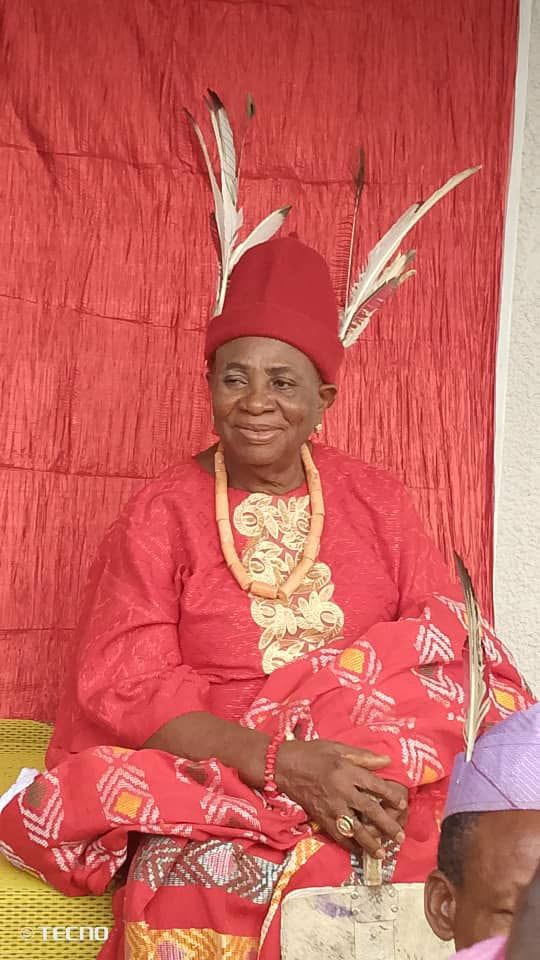
Oko and Okwe are old communities in the western Niger region of present-day Delta State, within the wider Enuani-Igbo cultural area. Their histories grew up along the Niger and its side waters, where farming, fishing, hunting and river trade kept communities on both banks in steady contact.
The written record
The two are neighbours, but each has its own traditions of origin and political development. Together they show how peoples moved through the Niger corridor, with Igbo-speaking populations meeting neighbouring communities and migrants coming down the river from the north.
Oko’s history in particular keeps a tradition linking part of its ancestry to Idah, in the old Igala Kingdom, alongside a memory of an older population that already held the land. The community that resulted developed within the culture of the western Niger Igbo and became firmly part of the Enuani-Igbo world.
Historical context
The People Already There
One important tradition says the land that became Oko was occupied before the northern migrants came. These first people are remembered as the Uwaile, also called Isi-Ani, a title pointing to their ancestral bond with the land. As original custodians, they held the territory and its resources, including farmland and fishing grounds, and their authority was expressed through the Ofor-Eze, an institution tied to Igbo ideas of ancestral authority, truth and rightful rule.
This matters because it presents Oko not as a settlement planted by migrants on empty ground, but as a community whose later political order came from earlier inhabitants and newcomers working out a life together.
The Migration from Idah
A second tradition traces an important ancestral group to Idah. In one version, an Igala prince named Ajor left Idah after a dispute over succession to the throne of the Attah. Other accounts connect the migration with Udeaja, or Odeaja, and different Oko lineages tell the story with variations.
The migrants travelled south along the Niger until they reached the territory of the Uwaile. They did not found a separate colony. They were taken into the existing settlement, and the traditions of the newcomers and the indigenous people became intertwined.
Ajor-Oko and the Growth of Oko
A local tradition keeps the name Ajor-Oko for the early settlement linked to Ajor’s arrival. As numbers grew, it developed into the community now called Oko.
The Udeaja/Odeaja tradition is especially important for the later Oko royal line. The name itself is recognisable in Igbo, which reflects the deep cultural and linguistic exchange along the Niger. Still, Igbo names and institutions in the tradition should not be read as proof that the original migrants were culturally identical to the older population. They point instead to the intense contact of the Niger corridor, where alliance, marriage, trade and migration kept different peoples in close touch.
The Uwaile and the Change in Power
As Oko grew, tension rose between the indigenous Uwaile/Isi-Ani and the increasingly influential descendants of the incoming royal line. The traditions describe a struggle over political authority, land and access to key fishing grounds. In the end the descendants of the newcomers came to dominate the political administration, while the Uwaile kept important ancestral and spiritual ties to the land.
The result was a system in which royal authority and indigenous land authority stood side by side. Oko’s development is therefore less a simple migration story than a story of political incorporation and cultural blending.
Becoming Enuani-Igbo
Over the generations, Oko settled firmly into the Enuani-Igbo cultural and linguistic setting of the western Niger. Igbo institutions such as the Ofor, titled elderhood and communal decision-making became central to its political and social life. Contact with neighbouring Enuani settlements, especially Asaba and other river communities, strengthened the link to the western Niger Igbo further.
Oko’s history shows that migration did not always preserve a separate ethnic identity. Newcomers could be absorbed into the institutions, language and culture of the places where they settled.
The Split and the Crossing of the Niger
Oko traditions also tell of a generational quarrel that led to part of the community crossing the river. A group of young men clashed with the elders after disobeying an instruction about taking part in an outside ceremony. When they returned, they were reportedly expelled. They crossed the Niger and went east into what is now Anambra State, where they founded another settlement that became the Oko there today.
The older town in Delta State and the Oko community in Anambra thus remember a shared history, though each has since developed on its own.
Okwe
Okwe’s history grew alongside Oko’s but followed its own course. Close to the waterways of the western Niger, it benefited from rich fishing grounds, farmland and river routes, and its position brought its people into contact with fishermen, farmers and traders moving along the river and its creeks. Local traditions and regional accounts place Okwe within a network of river-linked settlements, and its population formed through interaction among neighbours, not through one migration.
Life on the River
The waterways mattered to both communities. Fishing was a major activity, and fertile riverside land supported farming. The Niger was also a highway linking communities in the north with those of the lower river. In the eighteenth and nineteenth centuries, river commerce tied the region together, with traders and canoe operators carrying farm produce, fish and other goods upstream and downstream. Oko and Okwe were part of that wider commercial network and not isolated farming villages.
Okwe’s place on the river also brought its people into contact with other riverine populations. Speakers of different languages and followers of different traditions met through trade, fishing, marriage and migration. Over time, the people of Oko and Okwe became part of the Enuani-Igbo cultural sphere, sharing its language and many of its institutions. This is best seen as integration over generations, not as though every group that ever settled there arrived with one original ethnic identity.
Three Forces at Work
The histories of Oko and Okwe connect closely to the wider Enuani-Igbo communities on the western bank of the Niger, and three forces shaped them:
- Migration brought new peoples into the area.
- The Niger tied the communities into wider networks of trade and movement.
- Cultural integration drew the different groups into a shared Enuani-Igbo social and linguistic world.
Oko keeps especially strong memories of the meeting between the Uwaile, the migrants linked to Ajor/Udeaja, and the political institutions that grew from their union. Okwe developed as a neighbouring river community shaped by fishing, farming and Niger trade.
Traditional Institutions
Oko’s traditional government grew around the institution of the Akor, together with titled elders and communal institutions typical of the wider Enuani-Igbo region. The Ofor remained a key symbol of ancestral authority and legitimacy, and communal institutions provided ways to settle disputes and manage relations between lineages. All of this shows how far Oko was drawn into the political culture of the western Niger Igbo.
Oko and Okwe remain part of the historical and cultural landscape of Anioma and the western Niger Igbo. Their histories show how identity formed in the Niger corridor: communities were not always made by one migration or one founding ancestor. People moved, settled, married across groups and built new political communities while remembering where they came from.
Oko keeps an Idah-to-Niger migration tradition beside an older Uwaile settlement tradition, and Okwe’s story reflects river settlement, fishing and commerce. Together they show how the western Niger became a zone of migration, contact, trade and cultural blending, which in time produced the Enuani-speaking communities of today.
Sources and references
- Anwasia, B. N. (2017). Re-history of Oko. As reproduced and discussed by Onihe Odimegwu Nwanze.
- Esogbue, E. (2021, June). Between Awasia and Nwanze versions. Emeka Esogbue.
- Isichei, E. (1976). A History of the Igbo People . Macmillan.
Cite this article
Discussion
Sign in to join the discussion
Comments are checked by an editor before they appear. Leave a source or a correction and it is read first.
Continue reading


No comments yet
Nothing has been approved on this record yet. Comments are checked by an editor before they appear, so one written now shows on this page after that check.