 Ozikoro
Historical Studies · Published history
The Idumuje Clan: Origins and Early Settlement
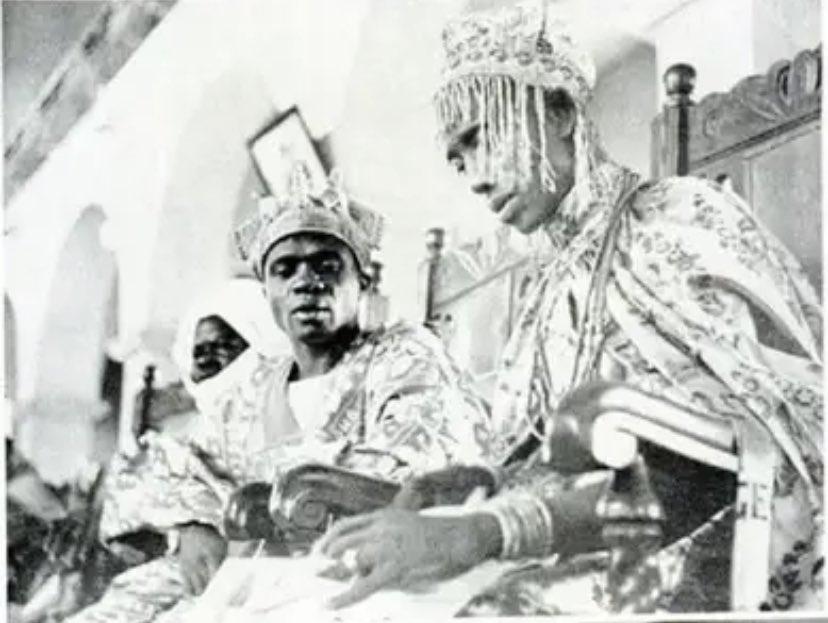
Idumuje is an old Enuani-Igbo clan in what is now Delta State. It is made up mainly of two autonomous towns, Idumuje-Unor and Idumuje-Ugboko. The clan took shape in the western Niger Igbo world, where generations of migration, settlement, marriage and political joining brought different ancestral groups together.
The written record
That is why Idumuje’s history cannot be told as the story of one migrating people. Its quarters keep different ancestral traditions, and their lineages trace themselves to different parts of the Niger region and the lands around it.
Historical context
A Clan of Many Origins
The differences show up clearly in the traditions of the individual quarters. Idumu-Obu traces its ancestry to Umudaike in Asaba, on the east bank of the Niger. Atuma remembers a link to Owo, in present-day Ondo State. Other lineages recall migrating through Obior and Ahama. Taken together, these traditions place Idumuje within the wider movement of peoples across the Niger-Delta region, and not in the aftermath of a single journey from one place.
Idumuje-Unor, the Older Settlement
Idumuje-Unor is regarded as the older settlement and the ancestral centre of the clan. As it grew, different ancestral groups settled in separate quarters. Each kept its own history while becoming part of the larger Idumuje community. The quarters traditionally linked with Idumuje-Unor are Okwunye, Idumu-Obu, Ogbe-Akwu and Atuma.
Idumu-Obu and Asaba. The people of Idumu-Obu say their ancestors came from Umudaike in Asaba. According to the tradition, they crossed the Niger and moved west into the land that became part of Idumuje. Their story preserves an Asaba-Idumuje connection and shows Igbo-speaking people moving across the river.
Atuma and Owo. The Atuma lineage traces its ancestry to Owo. This adds another direction to Idumuje’s settlement history and shows that people arrived from several places, not just one.
The Ogbeide Tradition
A further tradition concerns Ogbeide, tied to the old Benin Kingdom. Ogbeide, a chief associated with the Uzebu quarter of Benin, left Benin for Ahama in present-day Delta State. His two sons, Aluya and Ologbo, later moved on to Obior.
Many years afterward, Aluya and Ologbo, together with other migrants, travelled eastward and eventually reached Idumuje-Unor. The group settled at Ime Ogbe Isagbeme, a quarter traditionally regarded as belonging largely to immigrants.
It is not certain whether Onaifo, one of Ologbo’s sons, came with the group from Obior or was born after the family had settled at Idumuje-Unor. What the tradition does keep is that he was later invested with the title of Odogwu at Idumuje-Unor. The Ogbeide story is one more strand among the ancestral traditions the clan holds.
How the Clan Came Together
Read side by side, the traditions of the different quarters point to a slow process of clan formation. No single migration created Idumuje. Groups settled in the area one after another, set up their own quarters, and were drawn into a common social and political order. Over generations they developed a shared Idumuje identity while still remembering where each of them came from.
This was typical of the western Niger, where the river was at once a landmark, a migration route and a channel for trade and cultural exchange.
The Odogwu Dispute
Idumuje tradition says the early community at Idumuje-Unor was later split by a quarrel over the office of Odogwu, a title tied to military authority. After the dispute, a faction led by Prince Nwoko left Idumuje-Unor with its followers and moved deeper into the forest, to a place called Ugboko. There they founded a new settlement, which became Idumuje-Ugboko.
The move divided the clan politically, but it did not cut the tie between the two settlements. Both kept their shared Idumuje name and ancestry.
The Two Towns Today
Idumuje-Unor is the older town and the traditional ancestral seat of the clan. Its quarters are Okwunye, Idumu-Obu, Ogbe-Akwu and Atuma. It is also associated with Obi James Anyasi II, who reigned from 1946 until his death in 2023.
Idumuje-Ugboko was founded by Prince Nwoko and his followers after they left Idumuje-Unor. Its main villages are Ogbe-Obi, the royal quarter where the palace stands, Atuma, Ogbe-Ofu and Onicha-Ukwu. Ugboko grew into an autonomous town, yet its people remain part of the wider Idumuje clan.
Language and Culture
The Idumuje are Enuani-speaking Igbo people of the western Niger. Their language, customs and institutions grew out of the wider culture of the western Niger Igbo, and their history shows how a clan can take in people of different ancestries and still build a common identity. Traditional authority centres on the Obi. Cultural life includes the Iwa-Ji (New Yam Festival) and performances such as the Ogbanigbe dance. The traditions of the quarters also carry memories of migration, settlement and kinship reaching across the Niger and into neighbouring regions.
The Clan at a Glance
- Idumuje Clan
- Idumuje-Unor: Okwunye, Idumu-Obu, Ogbe-Akwu, Atuma
- Idumuje-Ugboko: Ogbe-Obi, Atuma, Ogbe-Ofu, Onicha-Ukwu
In Short
Idumuje is the history of an Enuani-Igbo clan formed through repeated migration, settlement and integration in the western Niger region. Idumu-Obu remembers Asaba, Atuma remembers Owo, and another tradition follows Ogbeide, Aluya, Ologbo and Onaifo through Benin, Ahama and Obior to Idumuje-Unor. Together these give the clan a layered ancestry with no single point of origin.
The later split between Idumuje-Unor and Idumuje-Ugboko produced two autonomous towns, still joined by a common Idumuje identity. Idumuje is best understood within the wider story of Enuani-Igbo settlement west of the Niger, where communities were constantly shaped by movement, contact, incorporation and the growth of new political institutions.
One thing worth checking before publication: Atuma appears as a quarter in both Idumuje-Unor and Idumuje-Ugboko in your source. That may be correct if it is a shared lineage, but if it is a slip, it should be fixed. I can also match the tone to the Agbor and Aboh pieces, make it more formal, or put it in a file.
- Isichei, E. (1976). A history of the Igbo people. Macmillan.
- Idumuje-Ugboko. (n.d.). History of Idumuje-Ugboko. History of Idumuje-Ugboko
- Biose, C. O. O. (2019). History and traditions of Idumuje clan
Cite this article
Discussion
Sign in to join the discussion
Comments are checked by an editor before they appear. Leave a source or a correction and it is read first.
Continue reading


No comments yet
Nothing has been approved on this record yet. Comments are checked by an editor before they appear, so one written now shows on this page after that check.