 Ozikoro
 Historical Studies · Published history
The Igbos and the Atlantic Slave Trade: Anụ ọkụ n’ụlọ anaghị amaghị ọkụ dị n’èzí”
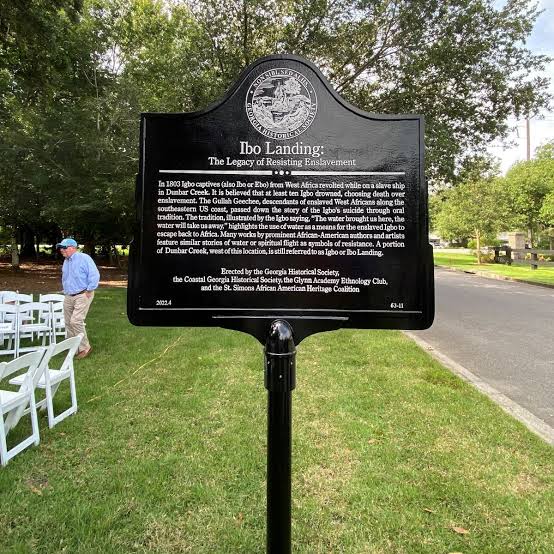
“Anụ ọkụ n’ụlọ anaghị amaghị ọkụ dị n’èzí” (The animal that lives in the fire at home does not know the fire outside).
This saying captures the shock the Igbo felt when the Atlantic slave trade dragged them from the familiar fires of their hearths into the flames of foreign bondage.
The written record
Between the 16th and 19th centuries, millions of Africans were uprooted and forced across the Atlantic. Among them were the Igbo, whose experiences in the slave trade left marks both in Nigeria and across the Americas. From the bustling markets of Bonny and Calabar to the plantations of Jamaica, Virginia, and Barbados, the Igbo journey was one of trauma, resistance, and cultural endurance.
Historical context
Igbo in the Slave Trade Networks
The Igbo interior was connected to the Atlantic through riverine ports like Bonny, Opobo, and Calabar. Captives were taken through wars, raids, and debt slavery, then marched in coffles to the coast. Merchants, both African and European, treated human beings as commodities, measuring them in “pieces” rather than lives.
Igbo captives became known in records as “Eboe,” a term that appeared in Virginia slave inventories, Jamaican plantation rolls, and Caribbean shipping logs. By the 18th century, the Igbo made up one of the largest African groups in the British Caribbean and North America (Falola & Njoku, 2016).
Olaudah Equiano: A Child of the Trade
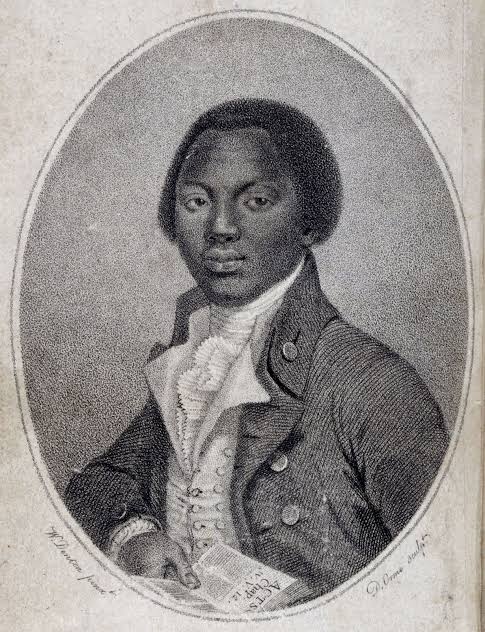
One story illuminates this journey: that of Olaudah Equiano, an eleven-year-old boy from Isseke in present-day Anambra. Kidnapped with his sister, sold multiple times, and eventually shipped to the Americas, Equiano later wrote The Interesting Narrative of the Life of Olaudah Equiano (1789). His account remains one of the most powerful testimonies of Igbo life before capture and the horrors of the Middle Passage.
Equiano remembered his homeland with affection: its yam farms, festivals, and councils. His story is a reminder that behind every slave-trade statistic was a child, a family, a village.
The Middle Passage: Journey of Terror
The voyage across the Atlantic, known as the Middle Passage, was a crucible of suffering. Igbo captives, shackled in holds, faced disease, suffocation, and despair. Mortality rates were staggering; in some voyages, up to one-third perished before reaching shore.
Yet even here, resistance flickered. Records tell of “Eboe” captives who chose drowning over bondage, leaping into the ocean. In the Caribbean, tales of mass suicides among Igbo captives entered local folklore, inspiring the legend of the “Eboe Landing” in Georgia, USA, where Igbo men and women are said to have walked back into the sea rather than live as slaves. “Ọnwụ ka mma karịa ịgba ohu” (Death is better than slavery).
Igbo in the Americas
Once in the Americas, Igbo captives were scattered, but their presence was unmistakable:
- Virginia: The word “Eboe” appeared in plantation lists. Planters described Igbo slaves as resistant and prone to revolt.
- Jamaica: Igbo captives contributed to the island’s cultural life, leaving traces in the Jonkonnu festival and in proverbs embedded in Jamaican Creole.
- Haiti & the Caribbean: Igbo spirituality mixed with other African traditions, shaping Vodou and Obeah.
- Georgia (USA): Folklore of Igbo Landing survives as a symbol of dignity and resistance.
Resistance and Memory
Though enslaved, the Igbo refused to be silent. They preserved identity through:
- Names (e.g., Nwanyịdịm̀màgbọ — “a woman is also capable of war”).
- Songs and Proverbs carried across plantations.
- Secret gatherings, echoing Igbo village assemblies.
In their memory, the Atlantic slave trade was not just a tragedy but also a test of resilience.
“Ihe a na-ama mmadụ ka ọ ga-ama nwa ya” (What is told to a person is what they will tell their child).
The Igbo carried their memories into new lands, telling children of lost homelands and embedding ancestral wisdom into Creole languages, songs, and rituals.
Legacy Today
The Atlantic slave trade devastated Igboland, depopulating villages and disrupting traditions. Yet its legacy is double-edged: in Jamaica, Haiti, the United States, and Brazil, Igbo descendants shaped new cultures that still echo their origins.
In Igboland itself, memories of enslavement remain in folklore, village histories, and shrines. The diaspora stands as proof that despite scattering, identity survives.
The Igbo experience of the Atlantic slave trade is a story of rupture and endurance. It reveals how communities torn from their homeland still found ways to preserve dignity.
As the Igbos say: “Ọkụkọ nweghi onye na-azụ ya na-achọ onwe ya azụ” (A fowl without someone to chase it finds itself chasing its own shadow).
The Igbo, cast into shadows by the slave trade, still found the strength to create new paths of light across the Atlantic world.
Sources and references
- Falola, T., & Njoku, R. C. (Eds.). (2016). Igbo in the Atlantic world: African origins and diasporic destinations. Indiana University Press.
- Equiano, O. (1789). The interesting narrative of the life of Olaudah Equiano. London: Author.
- Thornton, J. K. (1998). Africa and Africans in the making of the Atlantic world, 1400–1800. Cambridge University Press.
Cite this article
Discussion
Sign in to join the discussion
Comments are checked by an editor before they appear. Leave a source or a correction and it is read first.
Continue reading


No comments yet
Nothing has been approved on this record yet. Comments are checked by an editor before they appear, so one written now shows on this page after that check.