 Ozikoro
Historical Studies · Published history
The Return of Nwangborie Iwundu: The Woman Who Brought Christianity to Nsu
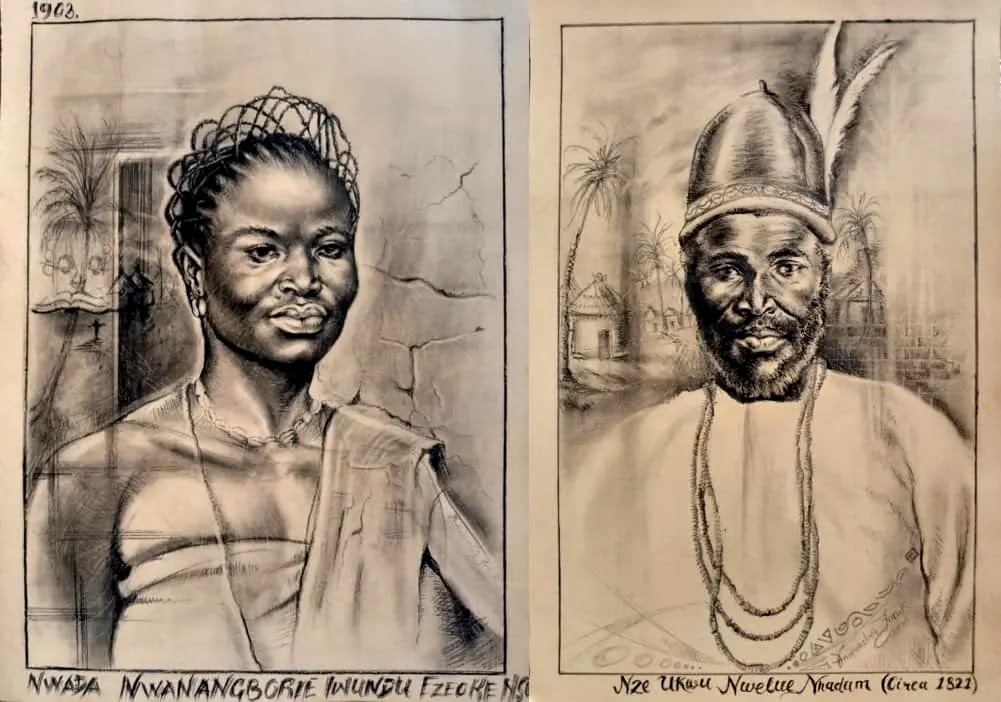
Nwanyi bụ íhè ụlọ( When a woman shines, the whole household is bright).
The written record
Historical context
Before the Missionaries Came
Before the late 19th century, Nsu, a cluster of autonomous Igbo villages in present-day Ehime Mbano, Imo State, lived within the rhythm of ancestral worship, market days, and the veneration of spirits tied to land and lineage. The people’s faith revolved around Ala (earth goddess), Amadioha, and the protective spirits of rivers and ancestors.
When Christianity first entered the Owerri hinterlands through Anglican and Catholic missions around 1905–1910, Nsu remained largely untouched. The missionaries were cautious; Nsu was known for its resistance to outside influence. But history would soon turn when a woman named Nwangborie Iwundu returned from exile, carrying not just a foreign faith, but a quiet fire that would transform her community.
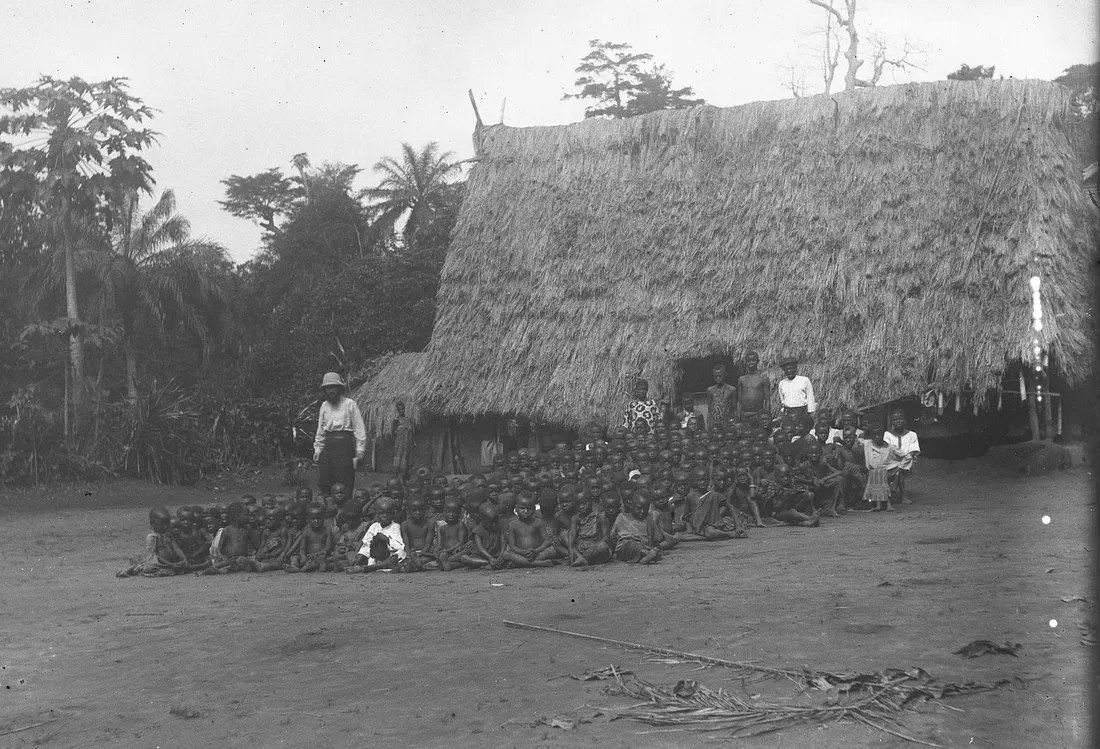
The Exile and the Return
Nwangborie was born in Nsu around the 1880s into the Iwundu family of Umuakagu village. As a young woman, she witnessed the turbulence of colonial intrusion, the imposition of warrant chiefs, taxation, and Christian preaching that unsettled local customs.
Her conversion story began outside Nsu. Oral accounts suggest that she was taken to Onitsha by relatives engaged in early trade, where she encountered Anglican missionaries and converted to Christianity around 1909. She learned to read the Book of Common Prayer and the Igbo Bible, and was baptized as “Mary.”
Ihe onye hụ n’anya, ọ kpọrọ ya n’iru(What one loves, one carries forward).
In 1914, after several years away, Nwangborie returned to Nsu, not as a trader or a widow seeking refuge, but as a Christian believer. Her reappearance startled her people. Women whispered that she had joined the onye oyibo’s religion; elders frowned, fearing that her return might invite strange gods.
The First Gathering Under the Udara Tree
When she arrived, Nwangborie began holding small prayer meetings under an udara (African star apple) tree near her father’s compound. The songs she led were strange to her people, yet soothing. Gradually, curious children and women gathered.
By 1916, her influence drew the attention of local catechists traveling from Nkwerre and Mbieri, who supported her effort to form a worship group. Oral sources say she hosted the first Nsu Christian prayer gathering attended by five women and two men. This meeting laid the foundation for the first Anglican Church in Nsu, later named St. Mary’s Church, Umuakagu.
Akwụkwọ dị na ọnụ nkịta anaghị egbu ya, ma ọ na-agwa mmadụ ụzọ (The leaf in the dog’s mouth does not harm it, but it shows the way).
Her home became a meeting point for both believers and skeptics. Even the elders who mocked her faith would later send their children to her to learn how to read and write.
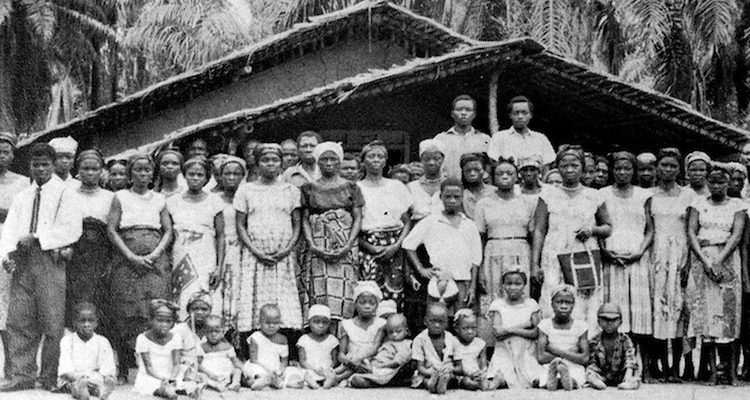
Legacy of a Quiet Fire
By the 1920s, Christianity had gained firm ground in Nsu, spreading to neighbouring villages such as Umunumo, Umuezeala, and Ihitte. Though many missionaries would later be credited for the work, Nwangborie Iwundu’s role remained foundational.
She lived into the early 1940s, remembered by villagers as “Nne ụka mbụ”(the mother of the first church).Her legacy endures quietly in the songs and faith she sowed among her people, a testimony to one woman’s courage to bring a new word home.
Onye kwe, chi ya ekwe (When one agrees, one’s spirit agrees also).
Sources and references
- Nwelue, O. (2021, December 1). The Nwelue legacy: Emancipation of slaves and their education . Igbo Journal Review
- Church Missionary Society (CMS) Archives. (1890–1935). Reports on Igbo missions and women converts in Eastern Nigeria. Cadbury Research Library, University of Birmingham. (Archival collection.)
- Iwundu Family Oral History. (2005). Recollections of Nwangborie Iwundu and the first gatherings under the udara tree. Unpublished oral record. Nsu, Imo State.
- Kalu, O. U. (2003). The history of Christianity in West Africa. Longman.
- Okoro, N. (1997). The Church in Eastern Nigeria: The story of its growth and expansion, 1857–1970. Fourth Dimension Publishing Co.
- Ottenberg, S. (1959). Double descent in an African society: The Afikpo village-group. American Anthropological Association.
- Anglican Diocese of Owerri. (1958). Records of St. Mary’s Church, Nsu. Unpublished parish chronicle.
- Eze Nsu III, Interview by C. N. Duru. (1998, July 12). The early women of Nsu who followed the white man’s God. [Audio recording]. Nsu Palace Archives.
Cite this article
Discussion
Sign in to join the discussion
Comments are checked by an editor before they appear. Leave a source or a correction and it is read first.
Continue reading


No comments yet
Nothing has been approved on this record yet. Comments are checked by an editor before they appear, so one written now shows on this page after that check.