 Ozikoro
 Historical Studies · Published history
The Silver Crowns of 1611: The History of the Two Silver Crowns Brought from Portugal by Dom Domingos
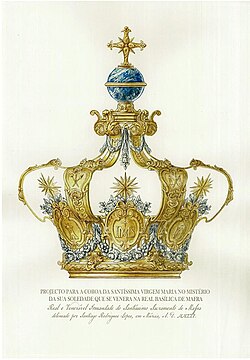
The history of the Itsekiri monarchy is deeply intertwined with early European contact, particularly with Portugal. One of the most enduring symbols of this relationship is the pair of silver crowns brought to Warri (then known as the Kingdom of Warri or Iwere) in 1611 by Prince Dom Domingos, an Itsekiri royal who had been educated in Portugal. These crowns, often referred to as the “Silver Crowns of 1611,” represent a fusion of African royal tradition and European Christian symbolism. Their arrival marked a significant moment in the diplomatic and religious transformation of the Itsekiri Kingdom during the early 17th century.
The written record
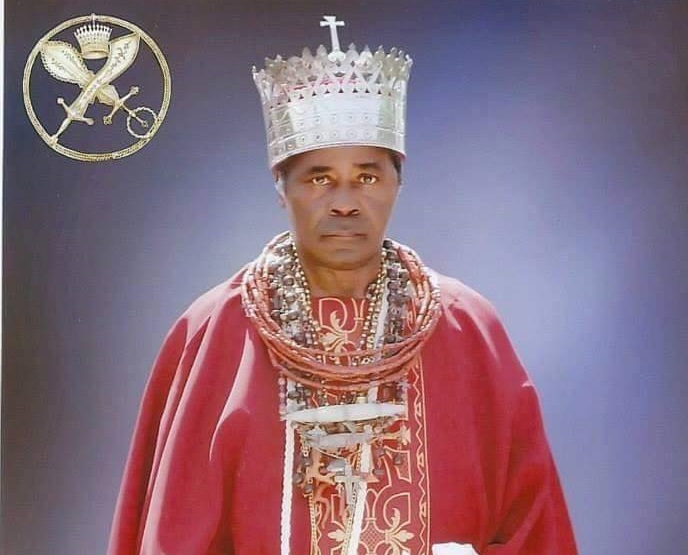
Photo Credit: Warri Traditional Council / Archival Documentation.
Historical context
Historical Background
- Early Itsekiri–Portuguese Relations
The Itsekiri Kingdom established diplomatic and commercial ties with Portugal as early as the late 15th century. According to historical accounts, the Portuguese were among the first Europeans to make sustained contact with coastal West African states. They were attracted by trade in pepper, ivory, and later slaves. The Itsekiri, positioned at a vital deltaic crossroads, quickly became influential intermediaries in regional trade.
Entries on the Warri Kingdom notes that the Portuguese established not only trade ties but also religious connections, introducing Christianity and forging alliances with the ruling family. Itsekiri embraced aspects of Catholicism earlier and more consistently than many other Nigerian ethnic groups, largely due to the monarchy’s openness to European influence.
- Dom Domingos: The Prince Between Two Worlds
Dom Domingos (also known as Domingos Òmòdéwà or Domingos Pires) was a prince of the Itsekiri Kingdom sent to Portugal for education. This practice sending royal heirs abroad was part of an intentional diplomatic strategy to strengthen ties with powerful European kingdoms.
While in Lisbon, Dom Domingos was baptized into the Catholic faith, received a Portuguese noble education, and was integrated into the aristocratic circles of the Order of Christ. His return to Warri in 1611 was a symbolic moment: he arrived not only as a royal heir but as a Christian nobleman carrying gifts that cemented the Itsekiri Kingdom’s spiritual and political alignment with Portugal. Among these gifts were the two silver crowns.
The Arrival of the Silver Crowns
- The Journey and Presentation
Historical narratives indicate that Dom Domingos returned with missionaries, Catholic paraphernalia, and diplomatic gifts from the Portuguese monarchy. The silver crowns were presented to the Olu of Warri as signs of friendship and as a reinforcement of the Christian covenant between the two kingdoms.
The crowns were crafted in Portugal using European silversmithing techniques. They bore Christian symbols, likely including crosses, engravings, and European heraldic motifs, reflecting the influence of the Order of Christ, a military-religious institution derived from the earlier Knights Templar.
- Material Composition and Craftsmanship
Silver was not a local material used traditionally for crown-making in the Warri Kingdom. Instead, Itsekiri regalia were typically crafted from coral beads, bronze, and textiles. The introduction of silver represented:
A new artistic influence,
A diplomatic gesture of high value,
A blending of European and African royal aesthetics.
The crowns likely mirrored contemporary Portuguese ceremonial crowns worn by nobles and religious leaders, further emphasizing the partnership and religious alignment.
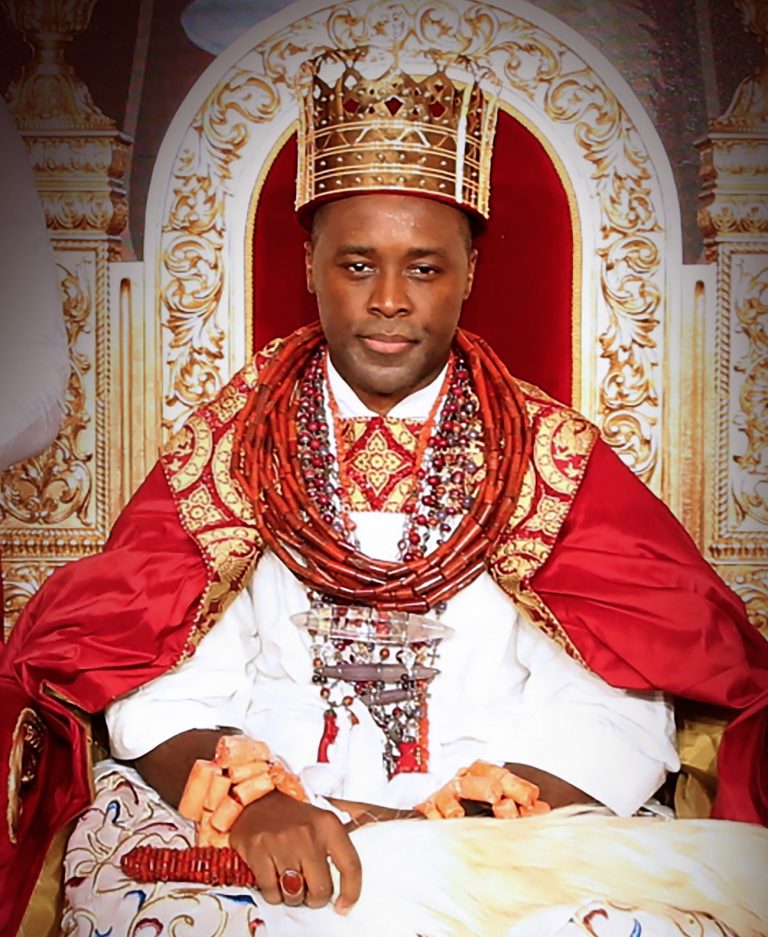
Photo Credit: The Palace of the Olu of Warri / Official Media Communications.
Symbolism and Political Meaning
- Symbols of Kingship and Christian Identity
The crowns served as visible proof of the formal Christianization of the Itsekiri monarchy. According to accounts on Christian missionary history and local oral tradition, the Portuguese used such regalia to signify a ruler’s acceptance of the Christian faith (“History of Christianity in Nigeria,” Adegboyega).
The presence of crosses or religious engravings symbolized the Olu’s acceptance of a Christian covenant. The crowns therefore embodied a dual authority:
Traditional Itsekiri authority, rooted in ancestral kingship and
Christian spiritual authority, tied to Catholic Europe.
- Diplomatic Legitimacy and International Recognition
For the Itsekiri Kingdom, possessing European-made crowns was strategically advantageous. It granted:
Enhanced diplomatic prestige among neighboring states,
A formalized relationship with a major European power,
Greater influence in regional trade networks.
Historians such as Thornton argue that African states used European alliances to strengthen their internal politics. The Itsekiri monarchy likewise leveraged the crowns to demonstrate its legitimacy and global relevance.
Cultural Influence and Integration into Itsekiri Traditions
- Adoption into Coronation Rituals
Over time, the Silver Crowns of 1611 became integrated into Itsekiri coronation ceremonies. Though the crowns originated from Europe, they were naturalized into the culture and treated as part of the sacred royal regalia of the Olu.
In some periods, one crown symbolized political authority while the other symbolized Christian kingship, though interpretations vary across oral traditions.
- Influence on Later Royal Regalia
The arrival of the crowns set a precedent for incorporating foreign elements into the monarchy’s visual culture. Later regalia such as crosses on crowns, scepters, and robes reflected Portuguese influences mixed with deep-rooted Itsekiri symbolism.
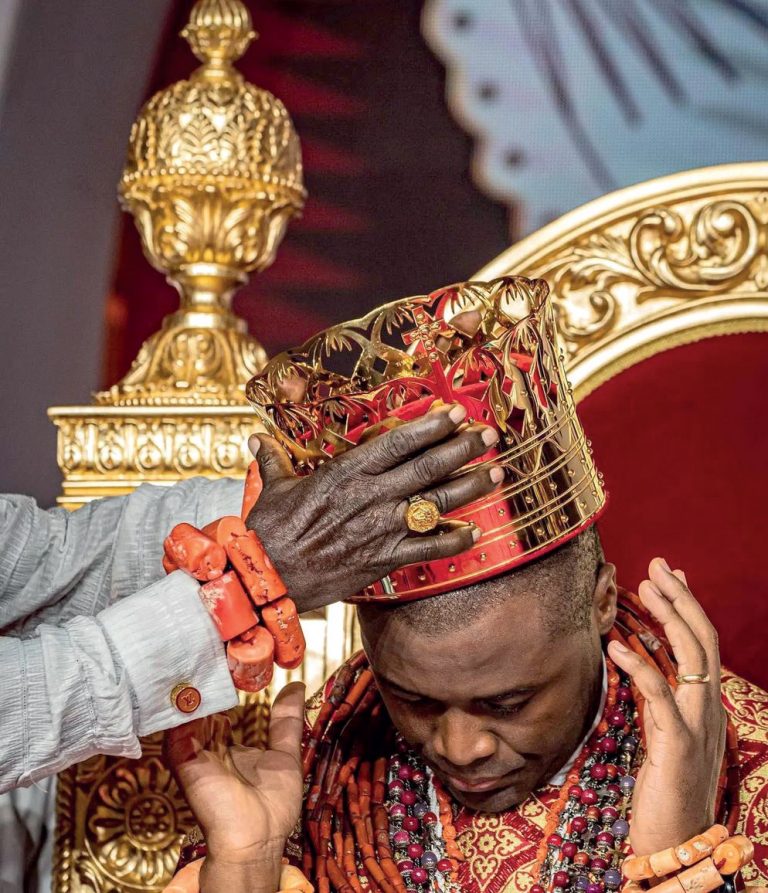
Legacy of the Silver Crowns
- Historical Memory and Heritage
Today, the crowns are regarded as treasures of Itsekiri heritage. They represent early globalization, cross-cultural diplomacy, the adaptability of the monarchy and a rare example of 17th-century Afro-European regalia
- Role in Modern Identity
While the Itsekiri Kingdom later diversified religiously, the crowns remain important artifacts tying the people to their early Christian past and their historical connection to Portugal. The enduring symbolism is still referenced in cultural discussions, historical scholarship, and royal narratives.
The Silver Crowns of 1611 are more than ornamental objects they are historical witnesses to over four centuries of political, cultural, and spiritual exchange between the Itsekiri Kingdom and Portugal. Brought by Dom Domingos, a prince who embodied the merging of two worlds, the crowns symbolize a moment when the Itsekiri monarchy engaged global diplomacy at a high level. Their legacy remains alive today as a testament to the unique identity, resilience, and international outlook of the Itsekiri people.
Sources and references
- Adegboyega, O. (1995). History of Christianity in Nigeria. Lagos: Faith Publishers.
- Ryder, A. F. C. (1969). Benin and the Europeans, 1485–1897. London: Longman.
- Silva, M. (2001). The Portuguese Empire and Religious Orders. Lisbon: Instituto Camões.
- Thornton, J. (1998). Africa and Af ricans in the Making of the Atlantic World, 1400–1800. Cambridge University Press.
Cite this article
Discussion
Sign in to join the discussion
Comments are checked by an editor before they appear. Leave a source or a correction and it is read first.
Continue reading


No comments yet
Nothing has been approved on this record yet. Comments are checked by an editor before they appear, so one written now shows on this page after that check.