 Ozikoro
 Historical Studies · Published history
The Story Of The Aba Soap Factory (Pz Cussons First Industry In The East)

The industrial history of Southeastern Nigeria is anchored by several landmark enterprises, but few possess the symbolic and economic weight of the Aba soap factory. Established as the first major industrial venture in the East by the multinational conglomerate PZ Cussons (then known as Paterson Zochonis), this factory transformed Aba from a burgeoning colonial administrative outpost into the “industrial heartbeat” of the region. The factory was not merely a site of production; it was a “strategic pivot” that linked the vast palm oil resources of the Igbo hinterland with global manufacturing standards. By situating their first Eastern industry in Aba, PZ Cussons tapped into the city’s legendary entrepreneurial energy and its proximity to the railway and riverine trade routes. This article explores the origins of the Aba soap factory, its role in the “value-added” processing of Nigerian commodities, and its enduring legacy in the urban and industrial development of Aba.
The written record
Historical context
The Strategic Choice of Aba: Rail, Palm Oil, and Geography
The establishment of the Aba soap factory by Paterson Zochonis (PZ) in the mid-20th century was a “masterstroke of economic geography”;
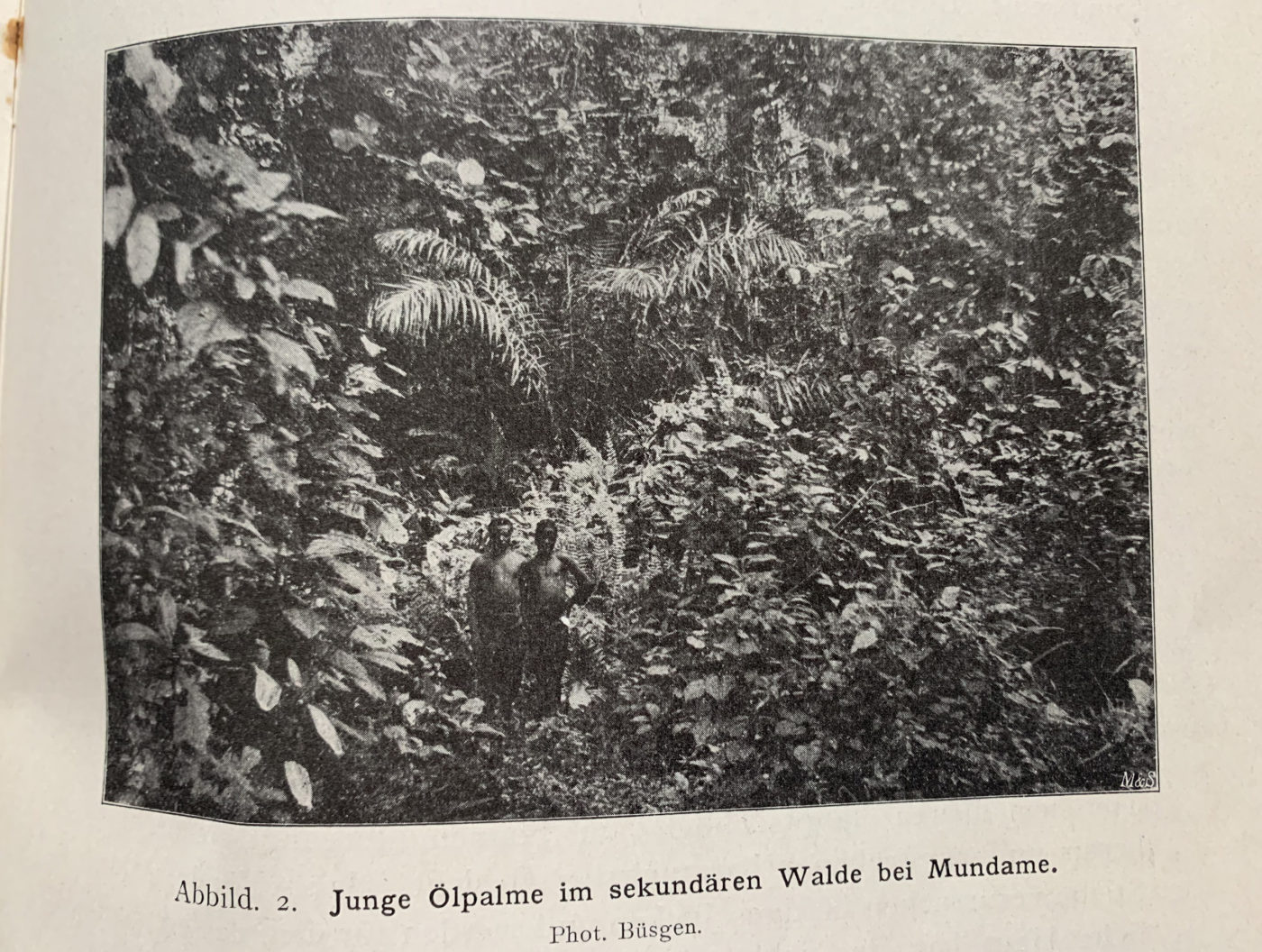
- Proximity to Raw Materials: Aba sat at the epicenter of the world’s most productive palm oil belt. Since palm oil and palm kernel oil are the “primary ingredients for soap saponification,” locating the factory in Aba eliminated the logistical nightmare of transporting bulky raw materials to the coast for export.
- The Railway Advantage: The completion of the Eastern Line of the Nigerian Railway, which ran through Aba to Port Harcourt, provided the factory with a “dual advantage.” It could receive palm oil from the hinterland and distribute finished soap products to the northern and coastal markets with ease.
- The Entrepreneurial Ecosystem: Even in the early 20th century, Aba was known for its “vibrant market culture.” PZ Cussons recognized that the city possessed a ready supply of “artisanal labor” and a merchant class capable of handling large-scale distribution.
The Industrial Evolution: From Trading to Manufacturing
Before becoming a manufacturing giant, Paterson Zochonis operated primarily as a “trading house,” but the Aba soap factory marked their transition into “industrialists”:
- Founding of the Factory: The Aba plant was a response to the “import substitution” policies of the late colonial and early independence eras. Rather than importing finished soap from the UK, PZ invested in local infrastructure to “manufacture on Nigerian soil.”
- Technological Transfer: The factory introduced “modern chemical engineering” to the East. For the first time, local workers were trained in the industrial processes of “saponification, glycerin recovery, and automated packaging.” This created a new class of “indigenous technicians and industrial managers.”
- The Success of the “Elephant” Brand: One of the most iconic products associated with the PZ industrial era was the development of high-quality “detergents and bar soaps” that became household names across West Africa. The factory’s output was so significant that it virtually “ended the dominance of imported soaps” in the regional market.
Impact on Local Economy: The Birth of “Enyimba City” Industrialism
The Aba soap factory acted as a “catalyst” for a wider industrial explosion in the city, earning Aba the nickname “Enyimba City” (the City of the Elephant);
- Ancillary Industries: The presence of the PZ factory led to the rise of “subsidiary businesses.” Local entrepreneurs began setting up companies to supply “packaging materials, transport services, and refined chemicals” to the factory, creating a “multi-layered industrial value chain.”
- Employment and Urbanization: At its peak, the factory employed thousands of people directly. This “steady wage economy” spurred the growth of residential areas around the industrial layout, leading to a massive “urban expansion” of Aba.
- Setting the Standard: The PZ factory set the “benchmark for quality.” Its success emboldened other indigenous manufacturers, such as the founders of the “Aba made” movement, to believe that high-quality consumer goods could be produced locally to compete with international brands.
The Civil War and the Resilience of the Factory
The Nigerian Civil War (1967–1970) brought a “violent disruption” to industrial life in Aba, but the story of the PZ factory is one of “resilience and recovery”;
- Wartime Disruption: As Aba became a theater of war, the factory was forced to shut down. Much of the machinery was “damaged or abandoned” as the city changed hands between Federal and Biafran forces.
- Post-War Reconstruction: In the spirit of “Eastern resilience,” PZ Cussons was among the first major multinationals to return to Aba after the war. The “reopening of the factory” was a psychological victory for the city, signaling that Aba was “open for business” once again.
- Modernization and Diversification: In the decades following the war, the Aba plant was modernized to produce a wider range of “personal care products,” including the famous Imperial Leather and Duck bar soaps, ensuring its continued relevance in a “competitive post-colonial economy.”
PZ Cussons as a Corporate Citizen in Aba
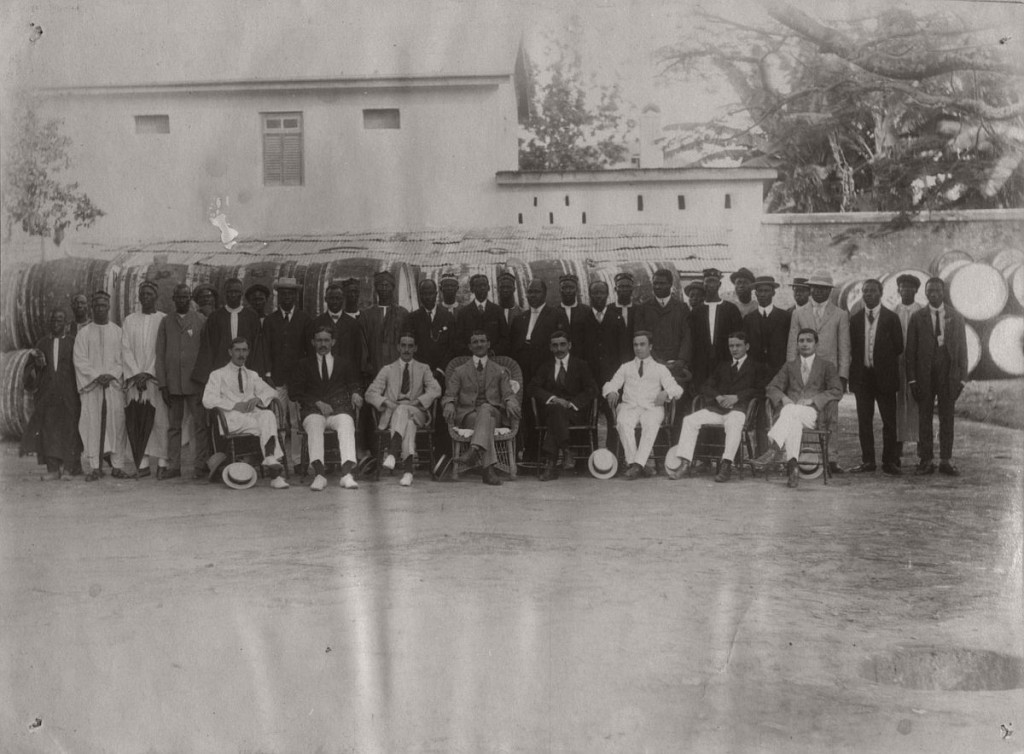
The relationship between the factory and the host community went beyond the “employer-employee” dynamic; it was a form of “social integration”;
- Infrastructure Development: PZ contributed to the “paving of roads and the extension of electricity” in the areas surrounding its factory, infrastructure that benefited the entire Aba community.
- The “PZ Schools” and Scholarships: The company invested heavily in “human capital” by sponsoring vocational training and providing scholarships for the children of its employees, many of whom became the “doctors, engineers, and leaders” of modern Abia State.
- Corporate Identity: For many Aba residents, “PZ” became synonymous with “stability and quality.” The factory’s presence provided a sense of “industrial pride” that counteracted the challenges of political instability elsewhere in the country.
Legacy: The Blueprint for Modern Nigerian Manufacturing
The story of the Aba soap factory provides a “historical blueprint” for how Nigeria can achieve industrial self-sufficiency today;
- Value Addition: The factory proved that Nigeria’s comparative advantage lies in “processing its own raw materials.” The model of turning “Igbo palm oil into global soap brands” remains the most viable path for Nigerian industrialization.
- Decentralized Development: By choosing Aba as their “First Industry in the East,” PZ Cussons demonstrated the power of “decentralized investment,” proving that major industries could thrive outside of the Lagos-Ibadan axis.
- Enduring Heritage: Although PZ Cussons has consolidated its operations over the years, the “foundational role” of the Aba factory in the history of Nigerian cosmetics and personal care remains undisputed. It stands as a “monument to the visionary partnership” between foreign capital and local industrial potential.
The story of the aba soap factory (pz cussons first industry in the east) is a narrative of “vision, resourcefulness, and endurance.” It represents the moment when the “traditional palm oil trade” of the ancestors met the “modern industrial machinery” of the 20th century. By establishing this factory, PZ Cussons did more than manufacture soap; they helped “forge the identity of Aba” as a city that creates, builds, and perseveres. The factory’s legacy continues to inspire the “artisans and industrialists” of Aba today, reminding them that their city was built on the “solid foundation of manufacturing excellence.” As Nigeria looks toward a future of “renewed industrialization,” the history of the PZ factory in Aba serves as a reminder that when the “right industry meets the right people,” the result is a city that becomes a “legendary center of commerce.”
Sources and references
- Akpan, S. (2018). “Multi-national Corporations and Industrial Development in Southeastern Nigeria”. Journal of West African Economics.
- Nwauwa, A. O. (1995). “The Transition from Trading to Manufacturing: The Case of Paterson Zochonis in Nigeria”. African Business History Review.
- PZ Cus sons. (2024). “Our Heritage: 140 Years of Trading in Nigeria”. [Company Archive].
Cite this article
Discussion
Sign in to join the discussion
Comments are checked by an editor before they appear. Leave a source or a correction and it is read first.
Continue reading


No comments yet
Nothing has been approved on this record yet. Comments are checked by an editor before they appear, so one written now shows on this page after that check.