 Ozikoro
 Religion and Spirituality · Published history
Arobinagu: The Sacred Forest Spirit of Igbo Spirituality and Ancestral Wisdom
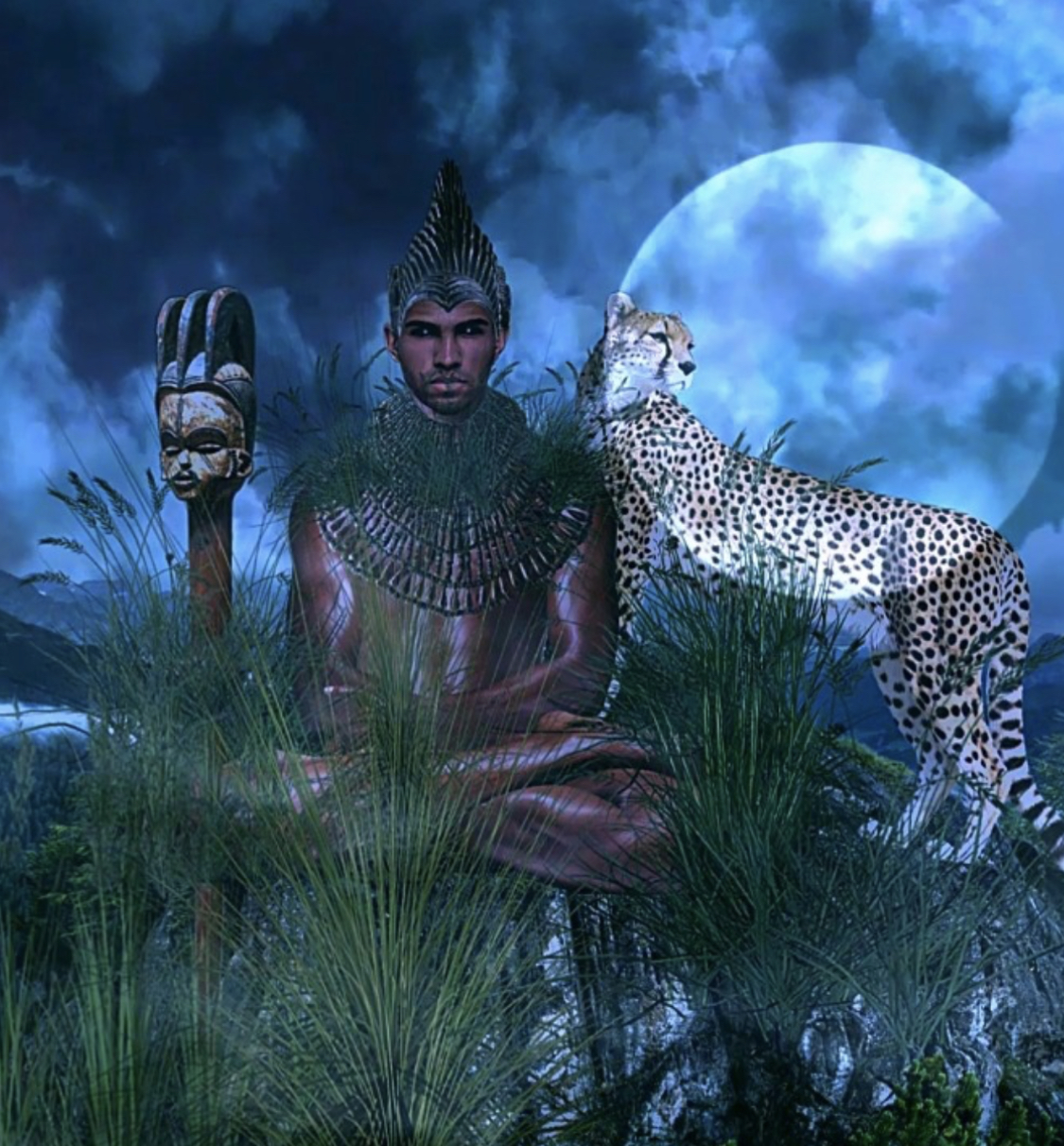
Deep in the heart of Igbo spirituality lies Arobinagu (also known as Obinagu or Ahobinagu), a powerful cosmic presence that embodies the very soul of the forest. Unlike gods who dwell within shrines or temples, Arobinagu is alive in every tree, river, and whispering breeze—acting as a guardian, healer, and spiritual teacher for the people.
The written record
Historical context
What Does “Arobinagu” Mean?
The name “Obinagu” carries two meanings: “heart of the forest” and “home of mystery.” In traditional Igbo villages, the forest is sacred—it’s a spiritual realm where natural energies converge. Arobinagu is believed to be the conscious power sustaining all living things in that space.
The Feminine Divine & Collective Spirits
Arobinagu is seen as the feminine life force, aligned with Nne Chukwu (the Great Mother), and connected to Agwu, the deity of divination and healing. Traditional healers, known as Dibias, believe that herbal knowledge or trance journeys in the forest are incomplete without Arobinagu’s guidance.
The name also suggests collective nature: Arobinagu/Arobunagwu or Agwu means the many spirits of Agwu united. It’s not the single entity worshipped by certain people like Ikwunne and Ikwunna, but a gathering of ancestral and elemental forces. This collective spirit works alongside water spirits (Idemmili), Ndi Ichie (ancestral elders), Akpu, Ogwugwu, Ala/Ana na Ajana (Mother earth goddess), influences that come strongly from one’s maternal lineage and the land where they were born.
Imagery & Symbolism
Since Arobinagu is a localized deity, its gender varies by community. In some villages, Arobinagu is seen as a male warrior spirit, protecting the land from invaders and curses. In others, It is worshipped as a motherly, nurturing force, similar to Ala or Ani, ensuring fertility and abundance.
In rare cases, some elders describe Arobinagu as beyond gender, a primal force that cannot be confined to human labels. In conclusion Arobinagu gender is fluid.
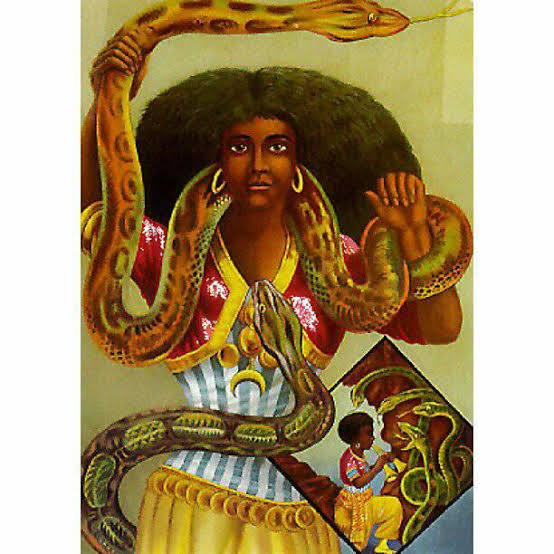
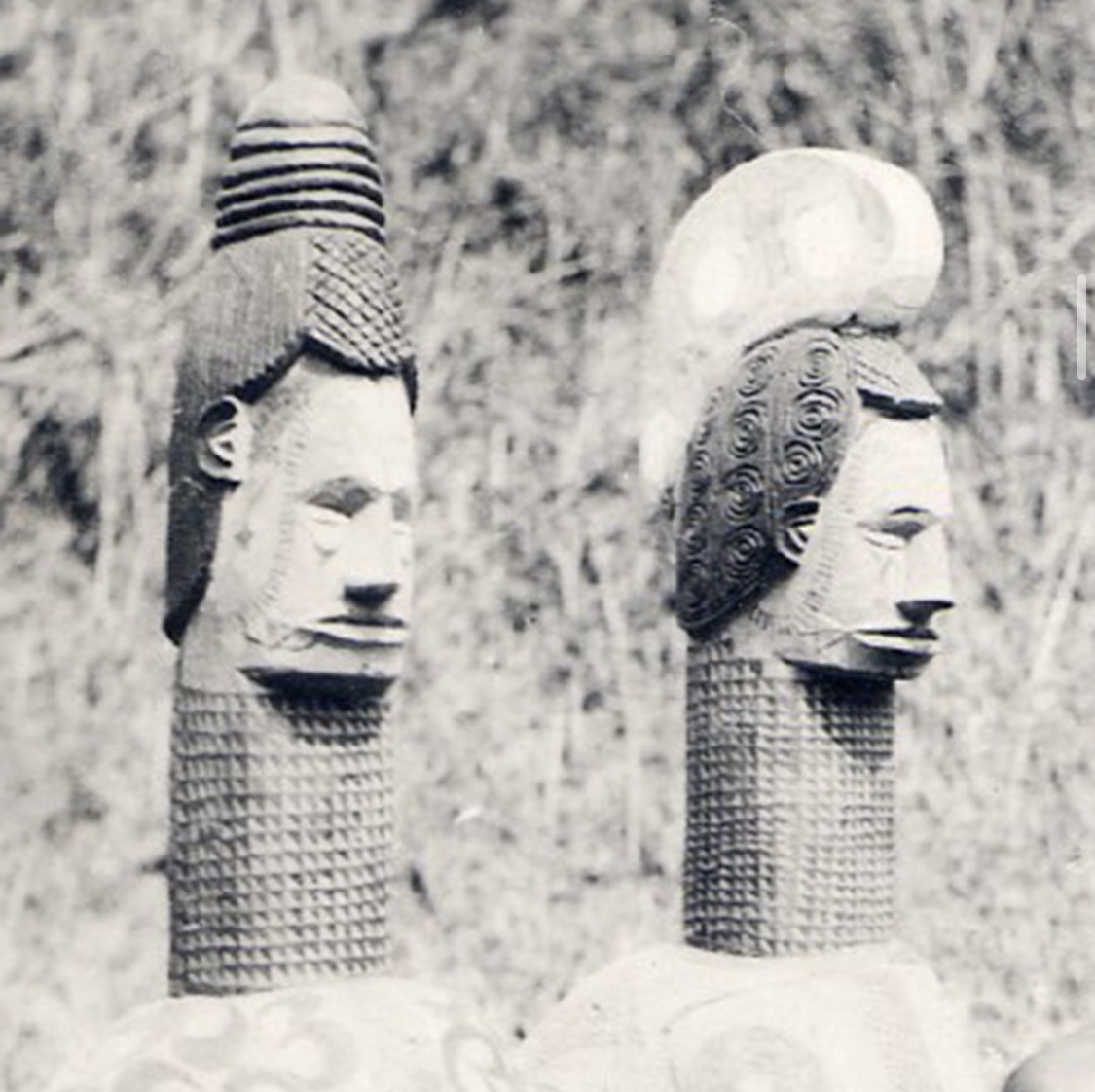
Arobinagu’s true nature transcends gender, though often depicted as a male living in the forest and a collective of spirituality and protector with animals and greenery while in some cases a female earth goddess, Arobinagu is pictured surrounded by a python, large fish, or other animals. In Igbo belief, a mother came before a man; just as a hen cares for her chicks, a mother goddess cares deeply for her children. This image reinforces her role as nurturer, protector, and cosmic mother.
Communing with the Spirit
To honour Arobinagu, practitioners use only natural instruments—wooden flutes (Oja) and drums crafted from bark or gourds—that resonate with organic forest energy. Offerings must be pure and earthy: water, palm wine, native fruits, and herbal blends. No processed or synthetic items—only what grows from the soil or flows from the forest.
Her Sacred Beings
The sacred animals of Arobinagu include pythons and cobras, symbols of wisdom and sacred grounding. Some shrines allow snakes to roam freely—not for fear, but out of deep respect. In these spaces, the presence of a python is seen as a blessing rather than a threat.
In Igbo cosmology, spiritual forces are interconnected. Arobinagu often merges her power with water spirits, ancestors, and other divine forces to create a spiritual alliance. Calling upon her is calling upon the very strength of the land and the wisdom of generations before you.
Many diviners also believe Arobinagu acts as an initiation energy, drawing ancestral forces into one space and deepening intuitive insight. She is not only a guardian but also a catalyst for spiritual awakening.
Why Arobinagu Matters Today
In a rapidly modernizing world that often disconnects people from nature, Arobinagu stands as a reminder of earth-centered balance. Her presence keeps Igbo communities mindful of their duty to protect the environment and honour spiritual connections, especially during planting, healing, and divination.
Closing Thoughts
Arobinagu is not a distant deity.
She lives in the rustle of leaves, the winding serpent, and the steady beat of a wooden drum. Honouring her is an act of ecological and spiritual respect—keeping alive a tradition that sees nature, spirit, and human as one. Through Arobinagu, we learn to nurture the earth as she nurtures us.
Sources and references
- •Oma. (2024, January 1). Arobinagu: 9 Things No One Told You About the Igbo Deity of the Forest. Oma’s Garden.
- •Nairaland Forum. (2018, November 29). The Deity We Call ‘Arobinagu’ In Igbo And What He Represents. Nairaland.
- •Nairaland Forum. (2024). All You Must Know About Agwu – Spirit of Divination, Healing, Mystic Powers. Culture – Nigeria.
Cite this article
Discussion
Sign in to join the discussion
Comments are checked by an editor before they appear. Leave a source or a correction and it is read first.
Continue reading
No comments yet
Nothing has been approved on this record yet. Comments are checked by an editor before they appear, so one written now shows on this page after that check.