 Ozikoro
 Religion and Spirituality · Published history
Igbo Religious Survivals in Caribbean Vodun and Obeah
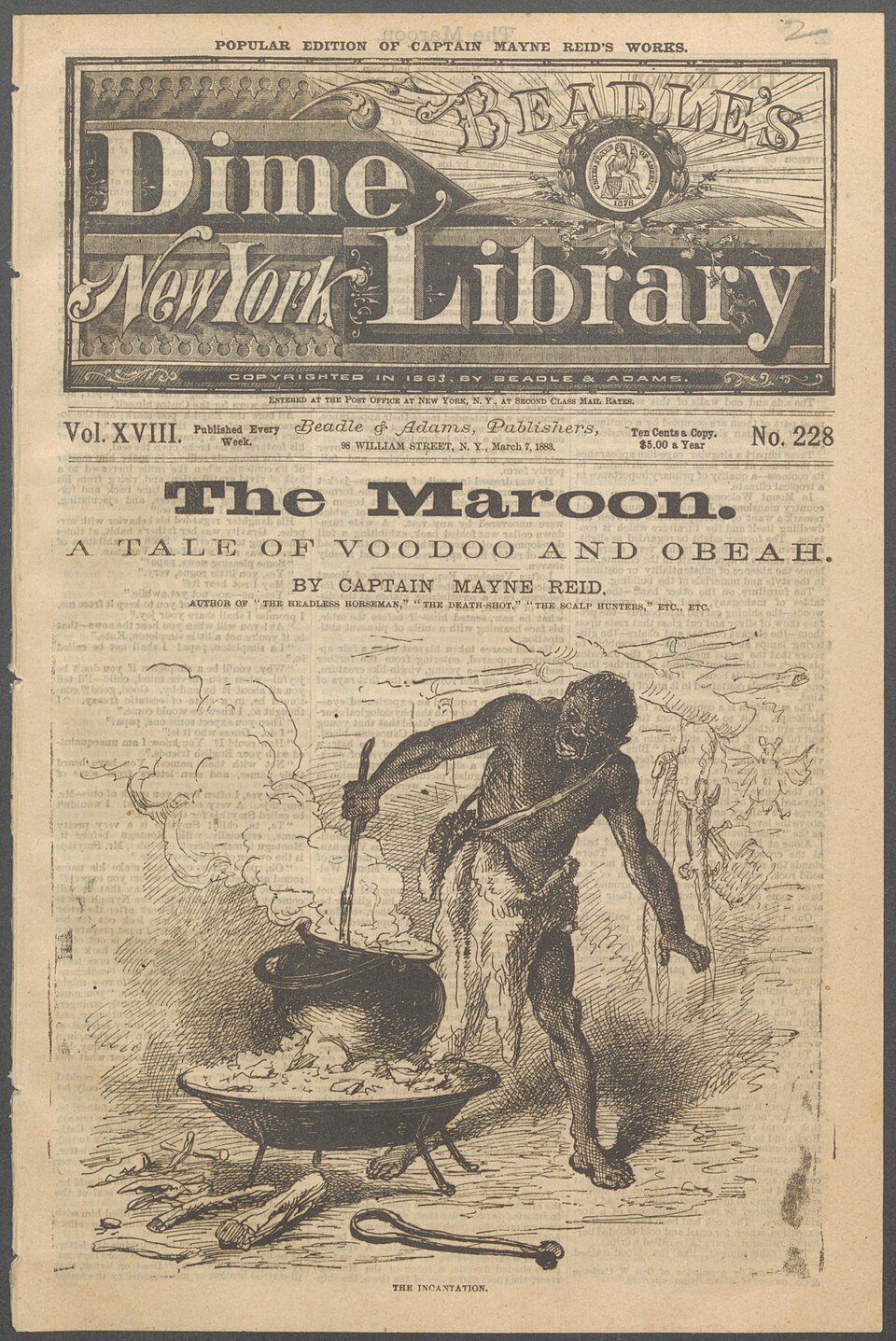
The transatlantic slave trade not only displaced millions of Africans from the Bight of Biafra but also transported their worldviews, cosmologies, and spiritual practices to the Caribbean. The Igbo, one of the most numerically dominant groups exported from the Bight of Biafra, left deep and traceable religious footprints in Afro-Caribbean spiritual systems such as Vodun, Obeah, Myal, and other creolized traditions. Because the hinterland supplying the Biafran trade was overwhelmingly Igbo-speaking, the religious culture transported across the Atlantic possessed a remarkable degree of linguistic and conceptual continuity. The result was the survival and sometimes transformation of Igbo religious ideas across the Caribbean world, especially in territories such as Jamaica, Barbados, and Trinidad and Tobago. Drawing on the materials in the Igbo Atlantic book, this essay examines the continuities between Igbo cosmology and Caribbean Vodun and Obeah, highlighting the intellectual, ritual, and symbolic survivals that persisted despite enslavement, displacement, and oppression.
The written record
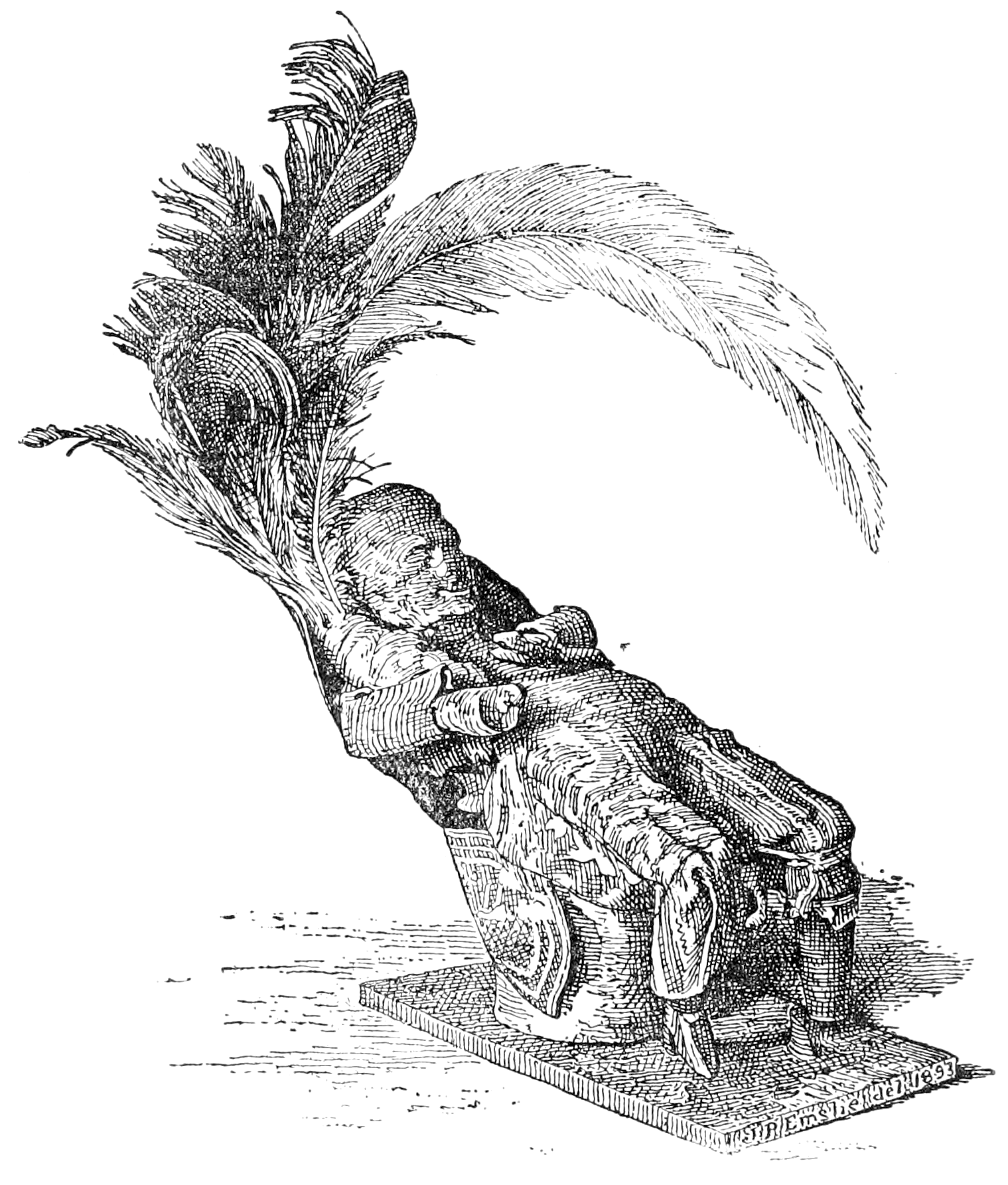
Photo credit: Wikimedia commons.
Historical context
The Religious Landscape of the Igbo Before the Atlantic Dispersion
Precolonial Igbo religion was a complex, decentralized system deeply grounded in personal spirituality, ancestral veneration, morality, and the mediation of deities known as alusi. Diviners (dibia), healers, and ritual experts acted as intermediaries between humans and the spiritual world. The Igbo worldview placed emphasis on chi (personal destiny spirit), ndichie (ancestors), the sacred earth goddess Ala, and various tutelary deities connected to moral order, fertility, and community wellbeing. The book emphasizes that the Igbo interior was unified not by centralized political institutions but by shared religious concepts, ritual structures, and cosmologies. As a result, the enslaved populations sent to Caribbean plantations carried with them a coherent set of spiritual ideas that could be reactivated or adapted in new environments. The portability of Igbo spirituality, requiring no monumental architecture and relying on personal and household rituals made it particularly resilient under enslavement. Thus, the foundations for Caribbean religious survivals were already embedded in the portable and flexible nature of Igbo religiosity.
Igbo Cosmological Concepts in Caribbean Vodun
Vodun in the Caribbean, especially in parts of the Lesser Antilles and the Eastern Caribbean, incorporated a range of Central and West African elements. However, the demographic concentrations of Igbo captives in certain islands made Igbo influence especially visible. The Igbo belief in a personal spiritual guardian (chi) appears to have resonated with Caribbean ideas of a guiding spirit or individualized protective force. This conceptual similarity made Igbo cosmology adaptable within creolized Vodun systems that emphasized personal spirit possession, ancestral communication, and dual spiritual-human interaction.
Similarly, the Igbo reverence for ancestors found strong parallels in the Caribbean. In Vodun practice, ancestral veneration is foundational, and many plantation-era rituals mirrored the Igbo custom of maintaining connection with the dead through offerings, prayers, and ritual invocation. The emphasis on the ancestors as moral guardians and spiritual mediators reinforced similar structures within Caribbean Vodun, where ancestral spirits play crucial roles in healing, protection, and social regulation. Vodun drum rituals, spirit possession patterns, and the use of natural objects (such as stones, herbs, and water) reflect the ecological spirituality of Igbo traditional religion. Igbo migrants carried knowledge of medicinal plants, ritual symbolism, and spirit-invoking techniques skills that blended seamlessly into the emerging religious cultures of the Caribbean.
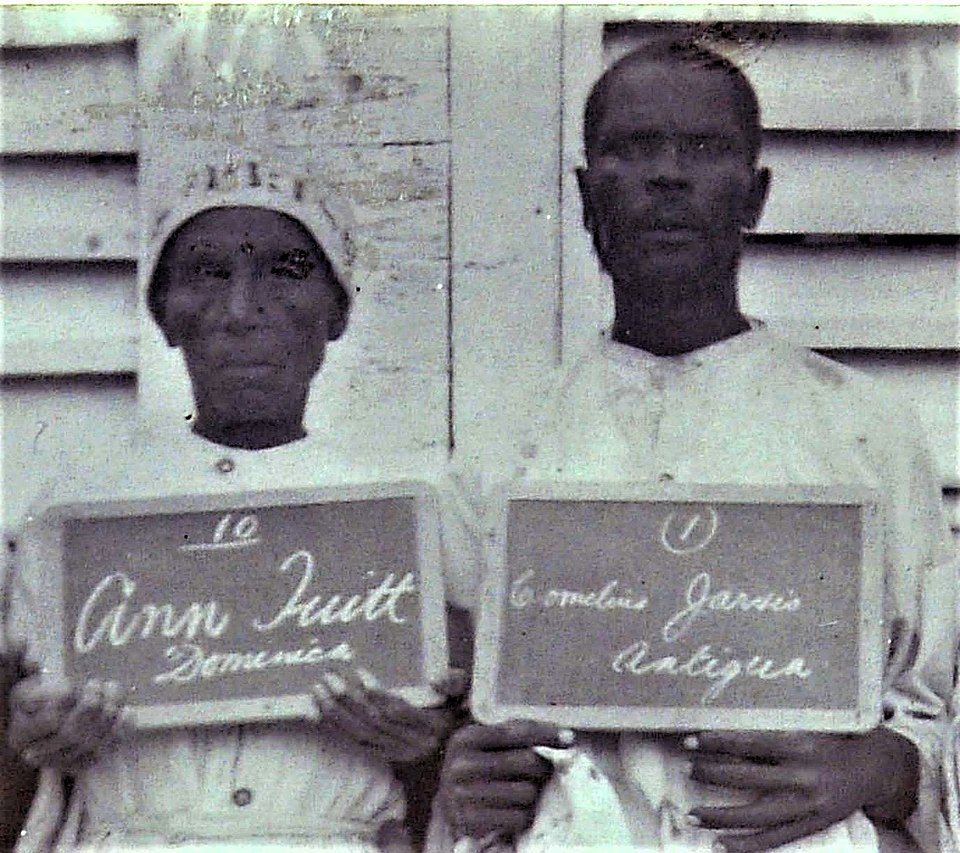
Photo credit; Wikimedia commons.
Obeah as a Site of Igbo Religious Survival
Obeah, the Afro-Caribbean spiritual tradition commonly associated with healing, divination, protection, and resistance, bears strong conceptual and structural similarities to Igbo spiritual practices. The book highlights that Igbo enslavement in the Caribbean was substantial, especially in Jamaica, where many enslaved communities were disproportionately Igbo. This demographic concentration made Igbo spiritual systems particularly influential.
Several features link Obeah to Igbo religious traditions:
1. Role of the Dibia (Diviner)
The Igbo dibia served as healer, diviner, and ritual specialist. Likewise, the Obeah practitioner functions as a spiritual mediator, healer, and interpreter of metaphysical signs. The structural resemblance is clear: both traditions rely on individuals with specialized knowledge, spiritual insight, and the ability to manipulate natural and supernatural forces.
2. Use of Natural and Symbolic Materials
Both Igbo religion and Obeah prioritize the spiritual power of herbs, roots, animal parts, and symbolic objects. The Igbo belief in mystical forces embedded in the natural world translated easily into Obeah practices rooted in herbalism, protective charms, and spiritual “medicine.”
3. Emphasis on Moral Balance
In Igbo cosmology, Ala, the earth deity, enforces moral order. Violations of moral law disrupt cosmic harmony. Similarly, Obeah concepts revolve around social balance, justice, protection of the vulnerable, and retribution for wrongdoing. The moral logic of Obeah echoes Igbo ethics.
4. Personal and Ancestral Spirits
The Igbo veneration of ancestors and personal chi spirits resonates with Obeah’s reliance on individualized spiritual guardians and ancestral intervention. Many plantation-era Obeah rituals invoked the dead in an unmistakable continuity with Igbo belief.
Ritual Adaptation Under Slavery
One reason Igbo spirituality survived in the Caribbean was that its rituals were highly portable. Unlike large-scale Dahomean or Yoruba temples, which required institutional structures, Igbo rituals could be performed in secrecy, within plantation quarters, or in isolated bush areas. Enslaved Igbo people reconstructed shrines using stones, dirt mounds, or carved wooden images materials readily available even under restrictive conditions. Obeah and Vodun practitioners similarly relied on discreet altars, hidden bundles, and symbolic objects. The book emphasizes that enslaved Africans transferred not only formal rituals but also worldview, song patterns, spirit philosophies, and modes of interpreting misfortune. As plantation regimes criminalized African religion, Igbo practices adapted by becoming more discreet, coded, and intertwined with resistance strategies. Igbo spiritual rituals thus helped sustain psychological resilience, promote collective identity, and offer metaphysical protection in oppressive conditions.
Collective Memory, Resistance, and Rebellion
Igbo religious survivals in the Caribbean were not limited to ritual practices; they were also connected to themes of freedom, justice, and resistance. The Igbo tendency toward decentralized religious authority where spiritual power was widely distributed rather than concentrated.mirrored the decentralized structure of Obeah. This made Igbo-derived spiritual practices particularly suited for rebellion coordination, protection rituals, sabotage of plantation systems, and communal healing after violence. Historical memory across the Caribbean often linked Igbo captives with acts of resistance, including suicide as spiritual return, refusal to labor, and organized revolts. The spiritual dimension of these acts drew heavily from Igbo beliefs about the afterlife, ancestors, and destiny, ensuring that Igbo religious identity remained embedded in the moral and psychological landscape of Caribbean communities.
Cultural Memory and Modern Survivals
Today, echoes of Igbo religious culture remain visible in various Caribbean traditions. Concepts of individual spiritual guardians, ancestral involvement, herbal healing, divination, and moral cosmology maintain significant continuity with Igbo belief systems. African diaspora communities in places such as Jamaica and Trinidad continue to preserve elements of Obeah and Vodun that bear Igbo signatures, linguistic fragments, ritual gestures, symbolic objects, and ethical principles. The survival of these traditions attests to the resilience of Igbo spirituality and the adaptability of its underlying worldview. Despite the violence and trauma of enslavement, Igbo religion found ways to re-root itself in new soil, shaping Caribbean cultural and spiritual life for centuries.
The religious survivals of the Igbo in Caribbean Vodun and Obeah illuminate the enduring power of African spiritual traditions even under catastrophic historical conditions. The demographic dominance of Igbo captives in the Bight of Biafra trade ensured that their cosmology, ritual practices, and worldview were deeply embedded in the spiritual fabric of Caribbean societies. The portable, decentralized nature of Igbo religion made it adaptable under plantation conditions, allowing it to fuse with other African systems to produce rich creolized traditions. Through ancestral veneration, herbal knowledge, spiritual mediation, and moral cosmology, Igbo religious ideas played a foundational role in shaping Vodun, Obeah, and related Afro-Caribbean traditions. The survival of Igbo religious ideas in Caribbean Vodun and Obeah demonstrates how deeply enslaved Africans shaped the spiritual landscape of the New World. Despite the violence of the Middle Passage and the cultural suppression enforced on plantations, Igbo people carried with them a cosmology rooted in ancestral veneration, spiritual balance, healing, and divine justice. These principles adapted and merged with those of other African groups, forming the foundation of Afro-Caribbean religions that still exist today. The persistence of Igbo ideas in spirit possession, herbal medicine, chalk symbolism, divination techniques, and beliefs about destiny shows that the Igbo worldview was not erased but reinvented in ways that preserved identity and supported communal survival. By influencing both the structure and philosophy of Vodun and Obeah, Igbo descendants ensured that their religious heritage remained a living force in Caribbean societies. Their legacy endures not only in recognized rituals but also in the cultural consciousness of Caribbean peoples who continue to honor, reinterpret, and preserve African spiritual memory.
Sources and references
- Falola, T., & Njoku, R. C. (2016). Igbo in the Atlantic World: African Origins and Diasporic Destinations. Indiana University Press.
Cite this article
Discussion
Sign in to join the discussion
Comments are checked by an editor before they appear. Leave a source or a correction and it is read first.
Continue reading
Related histories
 Religion and SpiritualityArobinagu: The Sacred Forest Spirit of Igbo Spirituality and Ancestral WisdomRead history →
 Religion and SpiritualityAnyanwu: The Radiant Igbo Sun God of Light and LifeRead history →
 Religion and SpiritualityIgbo Cosmology: The Principle of Dualism and BalanceRead history →
No comments yet
Nothing has been approved on this record yet. Comments are checked by an editor before they appear, so one written now shows on this page after that check.