 Ozikoro
 Historical Studies · Published history
The Killing of Dr. Stewart and the Brutal Ahiara Expedition of 1905
The story of a white man dragged off his bicycle and killed while riding through Igbo territory has been told in different versions, including in Chinua Achebe’s famous novel Things Fall Apart.
The written record
In 1905, Dr. Stewart, a British medical officer attached to the colonial Southern Nigeria Military Regiment, was mistakenly killed during local resistance against British colonial rule in the Mbaise area (now part of Imo State, Nigeria), which triggered one of the most violent punitive campaigns in colonial Igbo history called the Ahiara Expedition. This incident, rooted in anti-colonial resistance and mistaken identity, exposed the brutality of British rule and the fierce defiance of the Mbaise people.
Historical context
The Death of Dr. Stewart: Mistaken Identity and Collective Vengeance
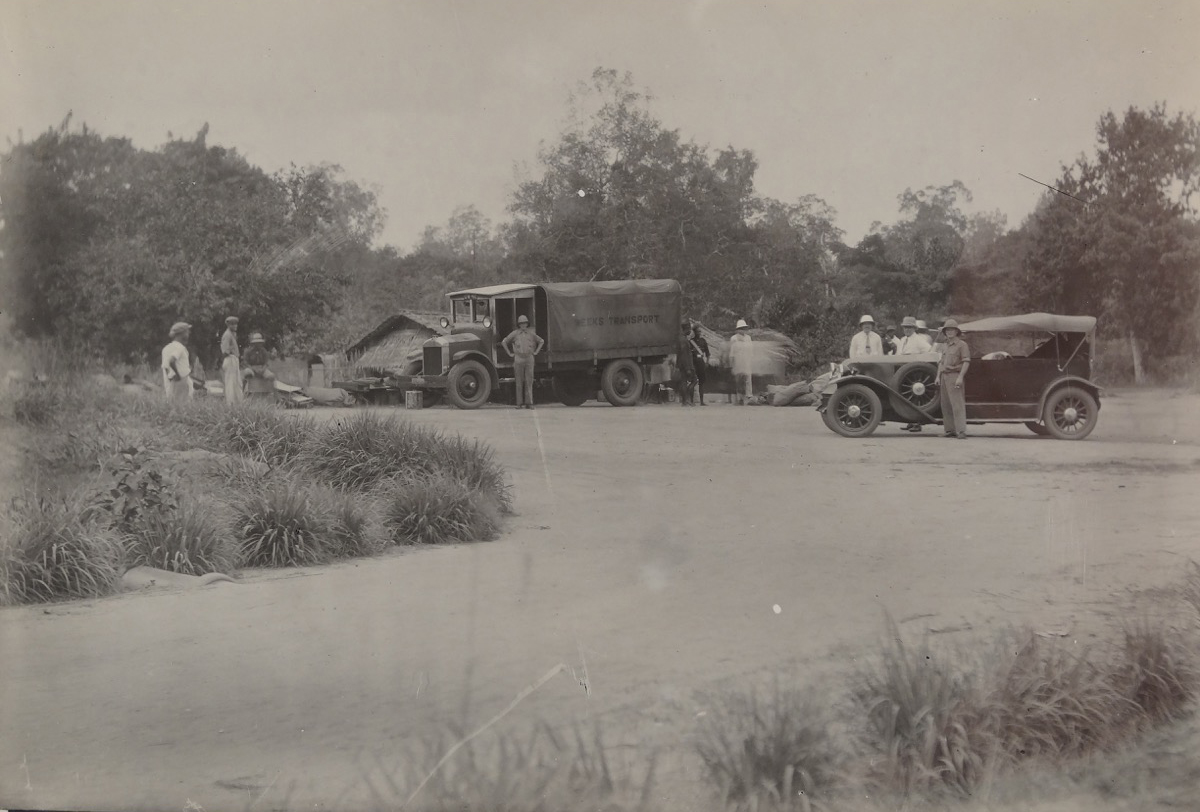
Dr. Stewart was captured and killed at Onicha, Ezinihitte, in Mbaise while accompanying a British expeditionary force. He was mistaken for Harold Morday Douglas, the despised District Commissioner (DC) of Owerri, whose reputation for brutality made him a target of Igbo resistance.
Conflicting Accounts of His Death
- British colonial records claim that exhausted Stewart rested in a hut where an older woman alerted locals. He was allegedly dismembered in a ritual to nullify white dominance.
- Igbo oral histories refute this: Stewart was captured on the road between Udo and Onicha, publicly paraded, and executed. His head was shared among Mbaise communities as a symbolic act of collective defiance against Douglas’ oppressive policies.
British searches in 1932 failed to recover his remains.
British Retaliation: The Ahiara Expedition
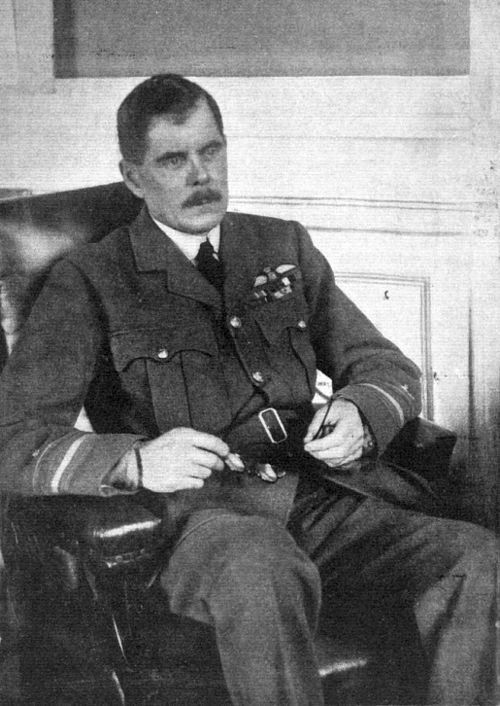
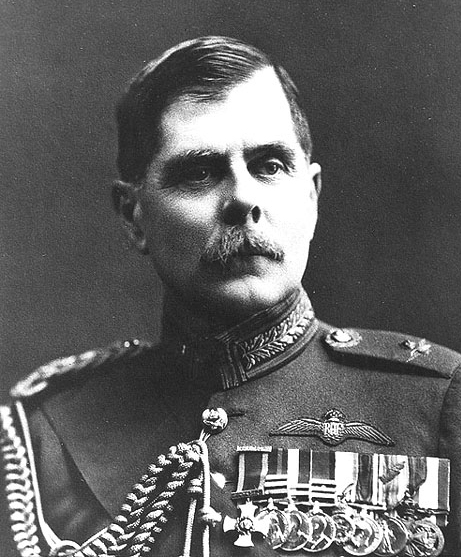
The colonial administration, enraged, demanded “full reparation.” Despite London’s concerns about cost, the Ahiara Expedition was approved. Leading this operation was Hugh Montague Trenchard, later called tlater called the “Father of the Royal Air Force.” Trenchard was notorious for his brutality—Igbo people gave him the name Nwangwele (lizard), a symbol of cunning and destruction
The Invasion (December 1905 – April 1906)
Led by Major Hugh Montague Trenchard, the campaign was marked by scorched-earth tactics:
- Villages razed; farms and food stores were destroyed.
- Mass executions: Prisoners were deported to Onitsha or burned alive.
- Fierce resistance: Trenchard noted nearly every town fought back.
The British military destroyed villages and carried out severe punishments to suppress resistance. This was part of a broader pattern of colonial violence used to maintain control over African populations
A Legacy of Trauma
Mbaise elders recalled: “We have never experienced such an ordeal. We can never forget it” (1975 interview). The Mbaise Local Council later asserted: “The British came not as friends but as enemies.”
Colonial Justifications and Igbo Defiance
Officials framed the massacre as justice for Stewart’s “unspeakable” killing. Yet, as Ekechi (1991) documents, Douglas’ cruelty, forced labour, arbitrary arrests, and public floggings had incited the very rage that doomed Stewart.
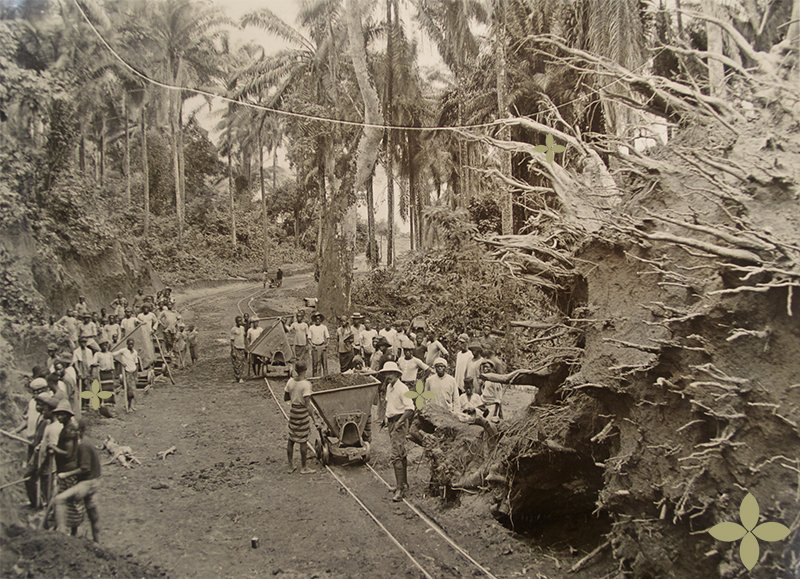
Colonial policies like forced labour, imprisonment, and violent reprisals fueled resentment, leading to acts of resistance. This history remains an important part of Nigeria’s colonial experience. This tragic occurrence underscored the volatile resistance to colonialism in Igboland. The Ahiara Expedition, far from restoring order, became a testament to colonial overreach and Igbo resilience.
Sources and references
- Ekechi, F. K. (1974). *Missionary enterprise and rivalry in Igboland, 1857-1914*. Cass.
- Ekechi, F. K. (1991). Portrait of a colonizer: H. M. Douglas in colonial Nigeria, 1897-1920. Journal of African History, 32 (2), 247-268.
- Haywood, A., & Clarke, F. (1964). The history of the Royal West African Frontier Force . Aldershot.
- National Archives, UK (CO520/32, CO520/35, CO520/81). Colonial Office records.
- Mbaise elders. (1975, March 3). [Personal interviews on the Ahiara Expedition].
- Hensley, W. J. (1948). Nigerian days . John Bale & Sons.
Cite this article
Discussion
Sign in to join the discussion
Comments are checked by an editor before they appear. Leave a source or a correction and it is read first.
Continue reading


No comments yet
Nothing has been approved on this record yet. Comments are checked by an editor before they appear, so one written now shows on this page after that check.