 Ozikoro
Cultural Heritage · Published history
A Culture of Distinction: Kalabari Cloth, Dress, and “Injiri” (Indian Madras)
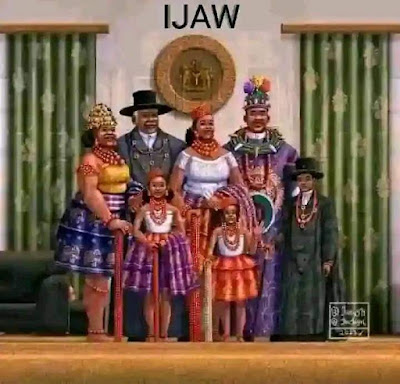
Kalabari culture, rooted in the riverine landscape of the Eastern Niger Delta, has long been associated with aesthetic sophistication, commercial intelligence, and a deep commitment to visual expression. One of the most powerful markers of this cultural identity is the Kalabari textile tradition, especially the celebrated “Injiri” cloth, originally imported from India. More than a simple piece of clothing, Kalabari dress is a visual language that communicates wealth, age, social standing, spiritual status, and communal belonging. This essay explores the cultural significance of Kalabari textiles, the historical trajectory of Indian Madras imports, and the symbolic and social meanings embedded in Kalabari dress traditions.
The written record
Historical context
The Historical Origins of Kalabari Textile Culture
Textile culture in Kalabari communities emerged through centuries of trade, especially during the early modern period when the Niger Delta served as a vibrant commercial hub. From the 17th to 19th centuries, Kalabari merchants engaged in far-reaching exchange with Europeans and Asian traders. Through these networks, Indian Madras cloth, highly valued for its lightweight texture and bold color patterns entered the Niger Delta.
Known locally as “Injiri,” this cloth became embedded in Kalabari material culture. The term itself is believed to be a localized version of the word “India,” highlighting its foreign origin. Other imported textiles such as damask, velvet, and “George” wrappers later expanded the Kalabari fashion system, but Injiri remained central due to its spiritual and symbolic functions.
The Cultural Importance of Injiri
A Cloth of Purity and Prestige: In Kalabari cosmology, Injiri is associated with purity, beauty, and prestige. Its bright patterns and fine weaving made it a luxury item reserved for important social and ritual contexts. Unlike everyday clothing, Injiri is often worn during life-cycle ceremonies such as:
Naming rituals
Marriage rites
Funerals of socially prominent individuals
Women’s society dances and initiations. The cloth signals moral refinement, personal dignity, and the ability of the wearer’s family to participate in prestigious cultural traditions.
Injiri is also valued as a form of intergenerational wealth. Women preserve and pass down their collections of cloth as heirlooms, making textile ownership a marker of lineage and continuity. These cloths become part of a family’s ritual archive, appearing during memorial ceremonies and serving as objects of ancestral connection.
Gender, Beauty, and Identity in Kalabari Dress
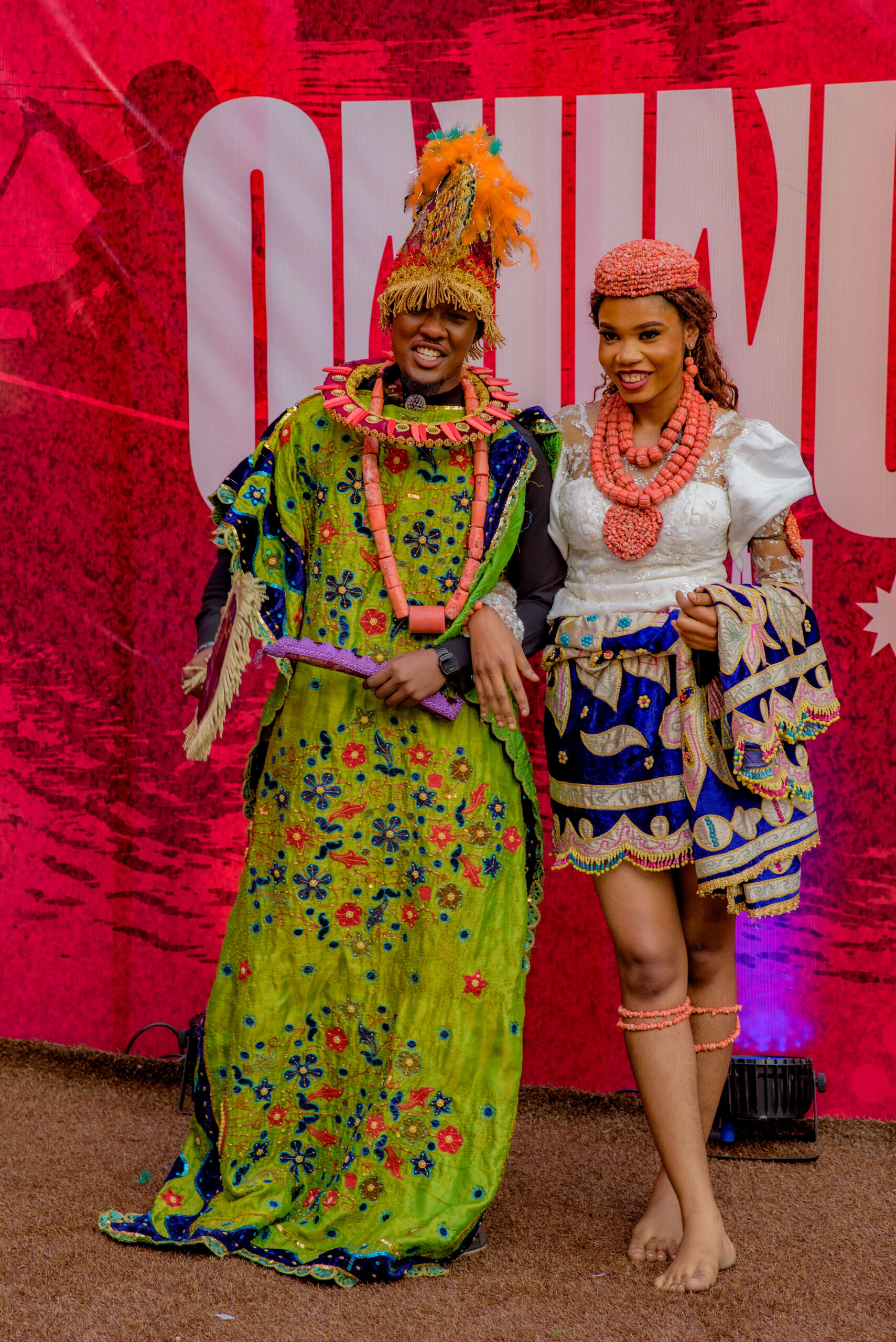
Women’s Aesthetic Authority: Women in Kalabari society play a central role in defining textile aesthetics. Through their choices of cloth layering, tying styles, jewelry, and head-ties, they exercise social influence and express cultural pride. The elegance of a Kalabari woman’s dressing particularly during festivals, functions as a public display of family prestige.
Masculine Dress and Social Status: Men also participate in textile-based displays of identity. For Kalabari chiefs and elders, wrappers, embroidered shirts, and coral regalia visually communicate authority. The use of multiple layers of cloth during festivals or funerals reflects social rank, wealth, and contributions to the community.
Injiri in Ritual and Spiritual Contexts
Textiles as Spiritual Technology: Kalabari religious life connects cloth to the spiritual world. Certain patterns of Injiri are used specifically in shrine rites, masquerade performances, and ancestor ceremonies. Textiles help invoke spiritual presence, signal sacred space, and reinforce community cohesion.
For example, during canoe-house funerals, women may dress in specific Injiri wrappers to demonstrate solidarity, respect for the deceased, and adherence to ancestral customs.
The Power of Color and Symbolism
Colors in Kalabari textiles carry interpretive meaning:
White: purity, the spiritual realm, femininity
Red: power, vitality, ritual seriousness
Blue/Indigo: depth, respectability, stability
Multicolored Madras: celebration, abundance, social vitality. These meanings are reflected in clothing decisions during different ceremonial events.
Trade, Wealth, and the Evolution of Kalabari Fashion
Cloth as Currency and Capital; Historically, Injiri functioned not just as clothing but as a form of currency. Families used cloth to pay social debts, support marital exchanges, and demonstrate financial capability. Women could accumulate wealth through textile ownership, giving them economic independence within the household.
Influence of Global Trade on Kalabari Aesthetics; The Kalabari people maintained strong trade relations with Europeans, North Africans, and merchants from the Persian Gulf and India. These global networks stimulated a vibrant culture of textile exchange. Over time, Kalabari artisans developed local techniques such as “cut-thread cloth manipulation” (pelete bite) to create unique patterns from imported fabrics. This process transformed foreign materials into distinctly Kalabari cultural objects.
Kalabari Dress in the Modern Era; Today, Kalabari textile traditions continue to evolve. While modern market trends have introduced synthetic fabrics and factory-made imitations, authentic Injiri remains highly prized. It features prominently in:
Royal ceremonies
Chieftaincy installations
High-status funerals
Women’s cultural festivals
The contemporary Kalabari fashion scene blends new styles with inherited patterns, demonstrating a cultural continuity that respects tradition while adapting to modern aesthetics.
Kalabari cloth tradition, especially the use of “Injiri” is far more than a matter of dress; it is a sophisticated cultural system that expresses identity, lineage, spirituality, and social power. Through imported fabrics transformed by local creativity, the Kalabari people developed a unique visual culture that commands respect both within and outside the Niger Delta. As a legacy that continues to define Kalabari identity, Injiri remains a symbol of elegance, historical memory, and cultural distinction.
Sources and references
- Alagoa, E. J. (2005). A history of the Niger Delta: An historical interpretation of Ijo oral tradition. Port Harcourt: Onyoma Research Publications.
- Horton, R. (1998). “Cloth, wealth, and status in the Niger Delta.” African Arts, 31(3), 38–49.
- Nzewi, M. (2001). Material culture and identity in the Niger Delta. Lagos: National Institute for Cultural Orientation.
- Peavy, S. (2016). “Indian Madras and West African aesthetics: Textile flows across the Atlantic.” Journal of African Material Culture, 12(2), 55–79
- Thornton, J. (1998). Africa and Africans in the making of the Atlantic world, 1400–1800. Cambridge: Cambridge University Press.
Cite this article
Discussion
Sign in to join the discussion
Comments are checked by an editor before they appear. Leave a source or a correction and it is read first.
Continue reading
Related histories
 Cultural HeritageEleven Days of Nwafor Ogidi: Inside the Festival Keeping an Old Igbo Tradition AliveRead history →
 Cultural HeritageIli Ji Nkpor Obododike: The Indigenous Agricultural Ritual CycleRead history →
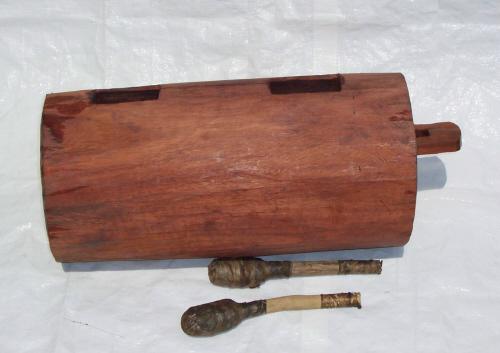 Cultural HeritageMusic and Drum Traditions: Tracing the “Igbo Drum” in the AmericasRead history →
No comments yet
Nothing has been approved on this record yet. Comments are checked by an editor before they appear, so one written now shows on this page after that check.