 Ozikoro
Cultural Heritage · Published history
Music and Drum Traditions: Tracing the “Igbo Drum” in the Americas
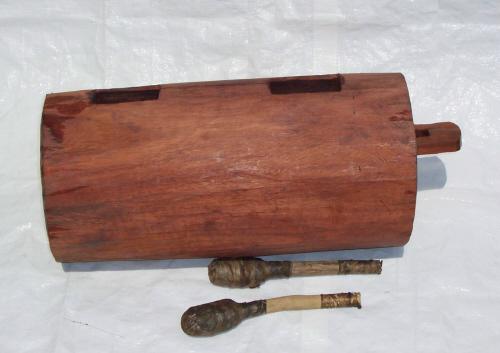
The forced migration of Igbo-speaking peoples from the Bight of Biafra to the Caribbean and wider Americas between the seventeenth and nineteenth centuries led to the transmission of important musical traditions across the Atlantic. Among the most enduring of these traditions was the Igbo drum culture, its rhythms, construction techniques, ceremonial uses, and symbolic meanings. While the Atlantic slave trade violently uprooted entire communities, enslaved people carried aspects of their intangible heritage with them, embedding Igbo musical concepts in the cultural landscapes of places such as Jamaica, Trinidad and Tobago, Barbados, and parts of the United States, especially the American South. In the Americas, drums served not merely as musical instruments but as extensions of African identity. The Igbo drum, an instrument family ranging from small hand drums to the massive slit-gong ekwe played vital roles in ritual life, social organization, and communication in Igboland. Its symbolic and functional importance traveled with enslaved Igbo people, helping shape emerging Afro-Atlantic musical traditions.
The written record
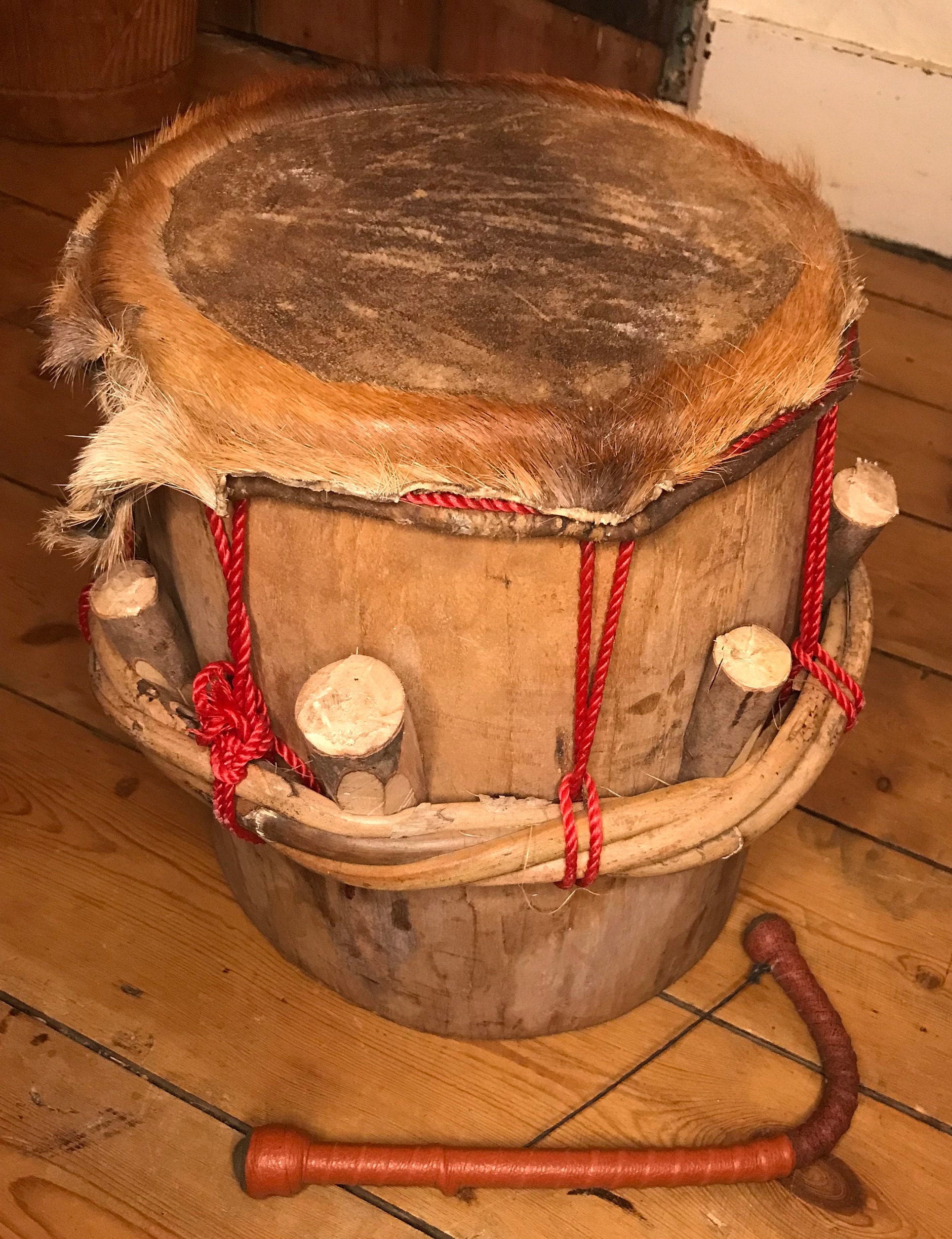
Photo credit; Igbo people.
Historical context
The Place of Drums in Igbo Society
Music is deeply woven into the social and spiritual fabric of Igbo life. Drums in Igboland are not just instruments; they are voice-surrogates, ritual objects, and communicative devices. The ikoro (large slit-drum) historically served as a communal alarm system; the ekwe transmitted coded messages; the ogene and udu provided rhythmic structures in performances and ceremonies.
Igbo drum traditions were characterized by several key features:
1. Polyrhythmic Structures
Igbo ensembles layered multiple rhythmic patterns, each drum performing an interlocking part. This polyrhythmic approach became foundational in Afro-Caribbean music.
2. “Talking Drums”
While not identical to Yoruba talking drums, Igbo drums could mimic speech intonation through controlled strikes, allowing drummers to imitate praise-names, warnings, or poetic phrases.
3. Ritual and Social Use
Birth ceremonies, funerals, ancestral rites, wrestling matches, age-grade festivals, and agricultural rituals all relied heavily on drumming.
These features made Igbo drum traditions adaptable and resilient. When enslaved communities recreated musical practices under plantation conditions, they preserved structures they already knew even when faced with suppression from colonial authorities.
Forced Migration and the Survival of Igbo Drumming Traditions
The Bight of Biafra exported a large proportion of enslaved captives to the British Caribbean during the eighteenth century. Many of these captives were Igbo-speaking peoples, and their concentration on plantations created enclaves where African musical knowledge could be transmitted.
In islands like Jamaica, planters often remarked on the distinctive musical and dance practices of “Eboes” (a term commonly referring to Igbo captives). Despite slave codes that restricted drum use due to fears of rebellion, enslaved Igbo communities adapted their drum traditions to local conditions, substituting gourds, boxes, and skin drums for instruments that had been confiscated. Drums thus became both a symbol of resistance and a repository of Igbo heritage.
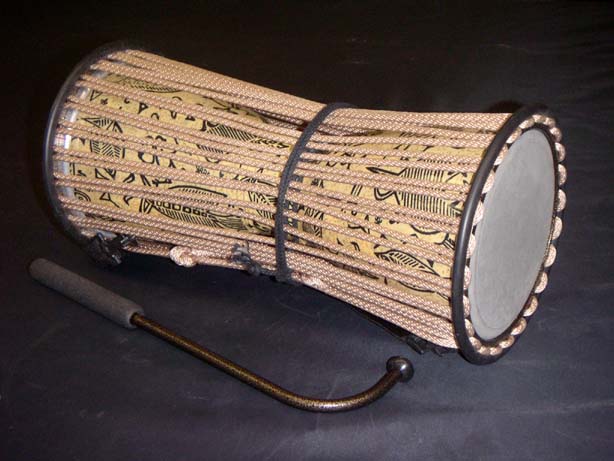
Photo credit; Wikimedia commons.
Drumming Traditions in Jamaica: Strongest Evidence of Igbo Influence
1. Kumina
The Kumina tradition of eastern Jamaica, though influenced by the Kongo region, includes drumming patterns with structural parallels to Igbo rhythms characterized by rapid cross-beats, responsible singing, and percussive accents that mirror Igbo ceremonial performance. The use of the kbandu and playing drum in Kumina echoes the dual-drum structures found in Igbo ancestral rites.
2. Jonkonnu
Jonkonnu festivals, widely documented in the Igbo Atlantic scholarship, were shaped in part by Igbo masquerade and musical philosophies. Drums in Jonkonnu parades keep a steady base rhythm while other percussion instruments add improvisational layers, an echo of Igbo performance logic where ensemble unity is maintained through rhythmic interdependence.
3. Work Songs and Resistance Culture
Songs sung by enslaved workers on plantations often incorporated rhythmic phrasing reflective of Igbo call-and-response patterns. Some plantation overseers compared the drum-based communication of enslaved people to African “talking drums,” highlighting the structural persistence of Igbo musical concepts.
Drumming Traditions in Trinidad, Grenada, and the Lesser Antilles
While Yoruba and Kongo influences were also strong in Trinidad, Igbo rhythmic heritage nonetheless contributed to the creolized musical environment.
1. Big Drum Tradition (St. Vincent and Grenada)
In the Big Drum ceremonies, performed to honor African ancestors, some nations (lineage groups) represented include “Ebo” , a clear reference to Igbo origins. Drumming patterns of the Ebo nation are characterized by firm, even pulses and antiphonal breaks similar to those used in Igbo funerary dances.
2. Kalinda and Stick-Fight Drumming
Stick-fighting traditions in Trinidad incorporate rhythms reminiscent of Igbo war dances and wrestling festivals, where drums accentuate swift footwork and energetic display.
3. Shango/Orisha Practices
Even though Orisha worship is primarily Yoruba-derived, the rhythmic underlay sometimes includes patterns consistent with Igbo ensemble practices, showing how overlapping African populations influenced one another in the diaspora.
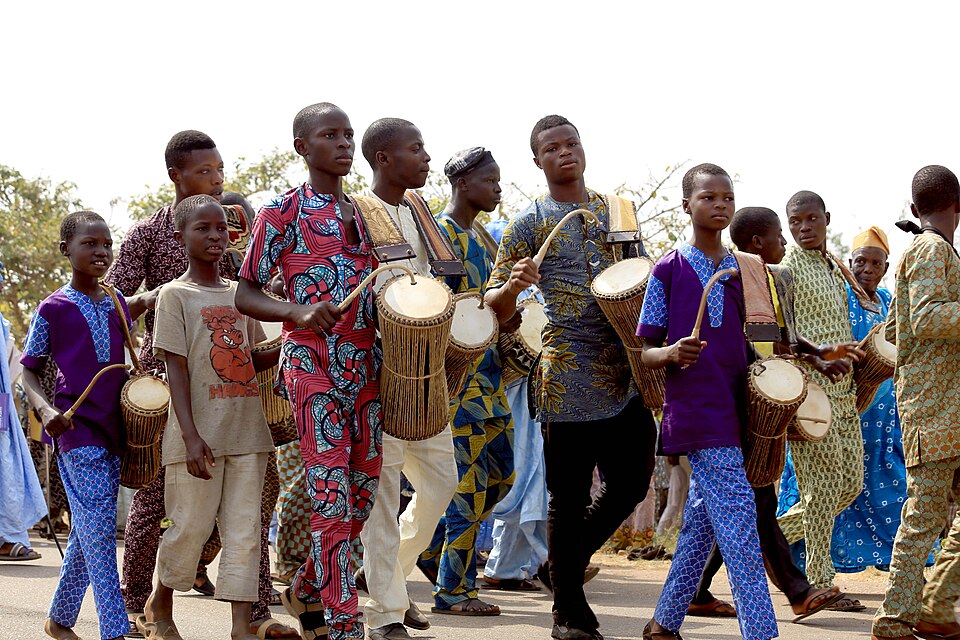
Photo credit: Wikimedia commons.
Gullah-Geechee Region in the United States
Enslaved Igbo in the Lowcountry region of South Carolina and Georgia made significant contributions to the formation of Gullah musical identity.
1. Body Percussion as an Adaptation of Drum Bans
While drums were banned in many parts of the American South, Igbo rhythmic logic survived through handclapping, foot-stomping, chest patting, ring-shouts. These forms replicated the polyrhythmic and communal structures of Igbo drum ensembles using the human body as the drum.
2. Call-and-Response Singing
Gullah spirituals maintain structural similarities to Igbo ritual songs, with the leader’s calls functioning like the master drummer’s phrases in an Igbo ensemble.
3. Ring-Shout Movement
Counterclockwise circular dance movements used during ring-shouts resemble Igbo ancestral rites performed during wakes and funerals, accompanied traditionally by drums.
The Igbo Slit Drum (Ekwe) in Atlantic Memory
One of the most distinctively Igbo instruments carried into memory across the diaspora was the ekwe, the wooden slit-drum carved from a hollowed log.
1. Messaging Drum Traditions
While exact Igbo communication systems did not survive intact, enslaved communities in the Caribbean used drums to signal plantation gatherings, warnings, and coded resistance messages.
These functions parallel how the ikoro and ekwe were used in Igboland as tools for communal communication.
2. Symbolism in Afro-Caribbean Rituals
The idea of the drum as a spiritual conduit capable of summoning ancestors or spiritual forces is consistent with Igbo metaphysics. Caribbean rituals, including Jamaican Kumina and Trinidadian Big Drum, treat drums as vessels of ancestral presence, echoing Igbo cosmology.
Rhythmic Structures and Musical Philosophy: Igbo Foundations in the Americas
Several musical principles foundational to Igbo traditions reappear in Afro-Caribbean music:
1. Interlocking Rhythms
Instruments combine complementary patterns rather than following linear European rhythmic structures.
2. Relationship Between Music and Dance
As in Igboland, Caribbean music and dance are inseparable; rhythms dictate movement, and movement interprets rhythm.
3. Music as Social Commentary
Igbo performative traditions often used drums to punctuate moral lessons, praise, mockery, or communal critique. Similar roles appear in Caribbean festival music and plantation-era songs.
Why Igbo Drum Traditions Survived Strongly in the Caribbean
Several factors explain the persistence of Igbo musical influence:
1. Demographic Concentration
Large populations of Igbo-speakers facilitated the preservation of shared traditions.
2. Cultural Flexibility
Igbo traditions allow for rapid fusion and improvisation qualities that made them adaptable under slavery.
3. Ritual Necessity
Drumming was essential to funerals, naming rites, spirit possession, and agricultural festivals, making it indispensable even under harsh colonial restrictions.
4. Emotional and Psychological Function
Drums became tools of healing, solidarity, and quiet resistance, enabling enslaved peoples to maintain community bonds.
The “Igbo drum” in the Americas is not a single instrument but a constellation of rhythmic philosophies, ensemble structures, ritual functions, and performance traditions transported across the Atlantic by enslaved people. Through adaptation and creative reinvention, these traditions shaped the musical cultures of Jamaica, Trinidad, Grenada, the Gullah region, and beyond. Today, Afro-Caribbean drumming practices from Jonkonnu beats to Big Drum ceremonies bear witness to the enduring legacy of Igbo musical heritage. Far from being erased by the violence of the slave trade, Igbo drumming became one of the strongest cultural bridges linking West Africa to the Americas.
- Reference
- Falola, T., & Njoku, R. C. (Eds.). Igbo in the Atlantic World: African Origins and Diasporic Destinations.
Cite this article
Discussion
Sign in to join the discussion
Comments are checked by an editor before they appear. Leave a source or a correction and it is read first.
Continue reading
Related histories
 Cultural HeritageEleven Days of Nwafor Ogidi: Inside the Festival Keeping an Old Igbo Tradition AliveRead history →
 Cultural HeritageIli Ji Nkpor Obododike: The Indigenous Agricultural Ritual CycleRead history →
 Cultural HeritageOgbunike: A Historical and Cultural Town in Anambra StateRead history →
No comments yet
Nothing has been approved on this record yet. Comments are checked by an editor before they appear, so one written now shows on this page after that check.