 Ozikoro
 Cultural Heritage · Published history
A Tale of Three Towns: The Founding and Rivalry of Creek Town, Duke Town, and Old Town (Obutung)
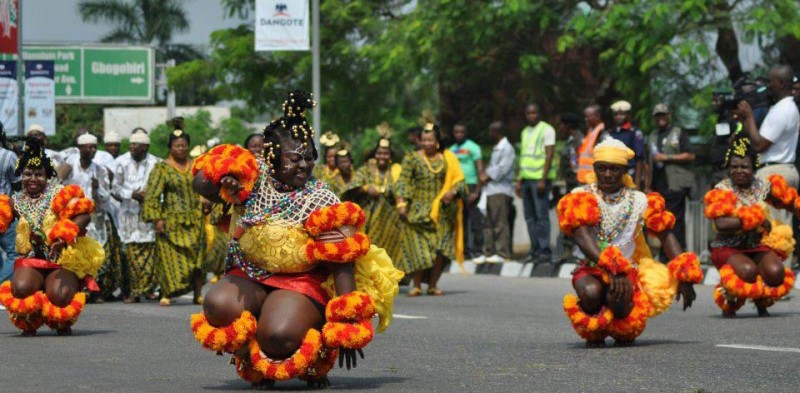
The Efik people of southeastern Nigeria are historically associated with a cluster of settlements along the Calabar River that became collectively known to Europeans as Old Calabar. Among these settlements, Creek Town, Duke Town, and Old Town (Obutung) stand out as distinct political and commercial centers. Each developed its own leadership, social dynamics, and economic roles, yet they were also interlinked through trade, culture, and shared secret society institutions such as Ekpe. Their rivalries and alliances shaped the trajectory of Efik history from the pre-colonial era through the period of European contact and early colonialism.
The written record
Historical context
Efik Origins and Settlement in the Calabar Region
The Efik are an ethnic group linked linguistically and culturally to the Ibibio people, known for establishing a maritime civilization along the Cross River and the Gulf of Guinea. Migration into the Cross River basin began before the 17th century, with Efik groups settling along waterways that facilitated fishing, farming, and later, lucrative foreign trade. These settlements emerged as distinct yet interconnected city-states along the Calabar River corridor.
Historically, the area became a key node in the Atlantic trade network, first as a source of enslaved Africans and later as a center for palm oil and other commodities exported to Europe. The region was collectively referred to as Old Calabar, a name Europeans used to distinguish it from other ports along the Gulf of Guinea.
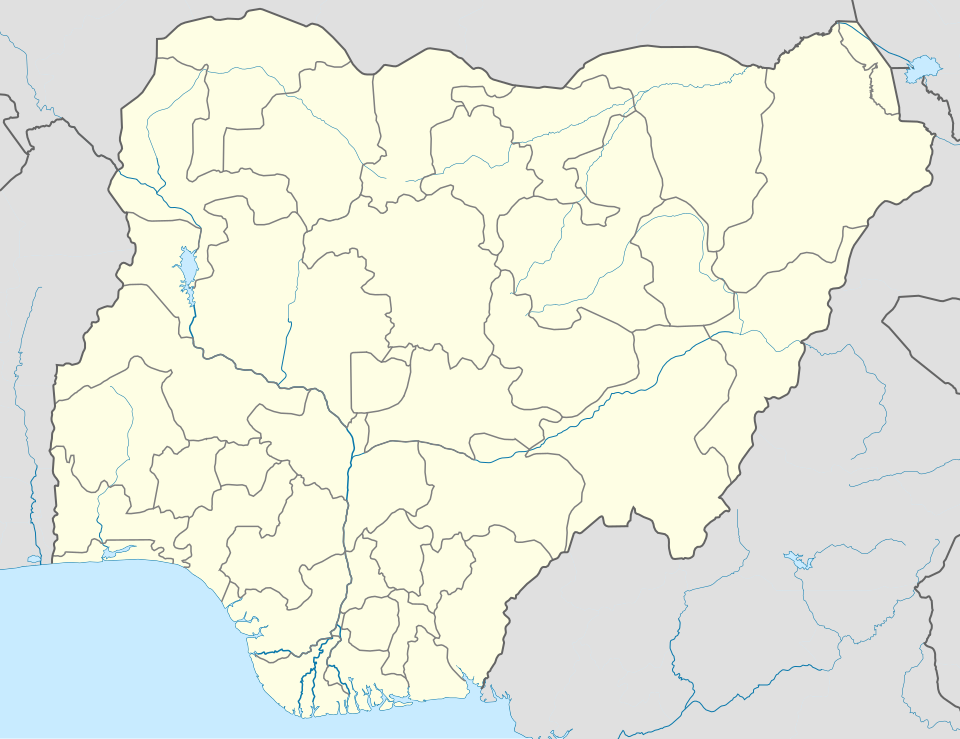
Photo credit; Wikipedia.
Creek Town: The First Settlement
Creek Town, also known as Obio Oko, was among the earliest of the Efik riverine settlements and is widely regarded as the first Efik metropolis in the Calabar region. Its foundation predates the formal establishment of Duke Town and Old Town, though exact dates vary among accounts. Some oral traditions place Efik presence in Creek Town as early as the late 16th century, while other scholars propose settlement in the early 17th century.
Initially, Creek Town emerged as a trading post owing to its strategic position along the Calabar River. It served as a hub where local fishermen and farmers exchanged goods, and later, where European traders first made contact with Efik middlemen. As the earliest Efik settlement in this region, Creek Town laid the groundwork for the political and commercial evolution of the Efik city-states.
The town’s internal social structure was shaped by familial clans and leadership families who held local authority through lineage and influence. Over time, the Ekpe secret society, a powerful socio-political institution, became central to both governance and ritual life, further consolidating Creek Town’s institutional foundations.
Old Town (Obutung): An Early Offshoot
Old Town, locally known as Obutong, developed as another significant Efik settlement along the Calabar River. European sources, including early colonial references, indicate that Old Town emerged as a separate community in close proximity to Creek Town and Duke Town. It was one of the principal Efik settlements recorded by early European observers prior to colonial reorganization.
Old Town’s population consisted of Efik clans that had migrated from Creek Town and other interior communities. These early settlers established their own local leadership and maintained cultural and economic ties with neighboring towns. While Old Town never became as commercially dominant as Duke Town, it played a pivotal role in regional politics and social exchanges.
The town’s name, Obutong, reflects a historical identity grounded in fishing, riverine trade, and clan-based governance. As with other Efik settlements, Old Town’s elites participated in Ekpe society rituals and shared in the collective defense and diplomacy of the Efik polity.
Duke Town: The Ascendant Power
Duke Town, originally known as Atakpa, rose to prominence later than Creek Town but arguably became the most powerful of the Efik city-states by the 18th and 19th centuries. The town’s name was later Anglicized by Europeans “Duke Town”, reflecting the influence of its leading families, particularly the Duke and Eyamba lineages.
Strategically located along the Calabar River, Duke Town became a principal commercial center for trade with European vessels. By the 18th century, it had established itself as a focal point for exporting enslaved Africans in exchange for European goods including textiles, guns, and other commodities, a trade that significantly elevated its regional status.
The rise of Duke Town’s influence was also tied to family politics and inter-town rivalry. As trade intensified, families within Creek Town and Old Town competed for access to European traders, prompting segments of the population to relocate in search of commercial advantage. Such movements helped strengthen Duke Town’s demographic and political base.
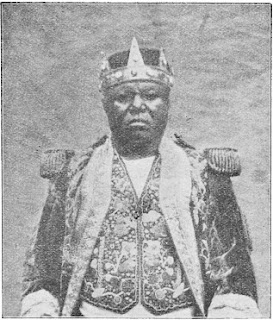
Photo credit; ajuede.com
Inter-Town Rivalry and Political Dynamics
The relationship among Creek Town, Old Town (Obutung), and Duke Town was marked by both cooperation and rivalry. While the three towns maintained economic interdependence, often negotiating trade agreements and coordinating defense competition for influence and access to European traders sometimes sparked tensions.
Each town had its own leadership and was governed by chiefs or kings drawn from influential Efik families, and these leaders often represented distinct “houses” or lineages within the broader Efik socio-political landscape. The Ekpe society functioned as a unifying institution, helping to regulate inter-town disputes and align collective policies, even as individual towns pursued their own interests.
By the late 18th century, Duke Town had begun to eclipse Creek Town in economic and diplomatic prominence, especially under leaders such as Duke Ephraim and his successors. However, Creek Town retained cultural and traditional significance, and Old Town continued to be an important component of the Efik confederation. Variations in influence often shifted with changes in global trade dynamics, missionary incursions, and colonial interventions.
European Contact and Transformation
European contact from the 17th century onward transformed the townships of Old Calabar. Initially engaged in the trans-Atlantic slave trade, Efik towns were central players in the export of enslaved Africans in the 18th century. With the abolition of the British slave trade in 1807, the Efik city-states shifted toward palm oil and palm kernel exports, maintaining their central role in coastal commerce.
Missionary activity in the 19th century, led by figures such as Rev. Hope Waddell, brought education and Christianity to Creek Town and Duke Town with Creek Town often cited as quicker to adopt new religious practices due to a relatively liberal stance under leaders such as Honesty II. This introduced social reforms, including the abolition of certain traditional rituals and the promotion of new moral frameworks.
Colonial reorganization later formalized administrative distinctions among the towns, which were grouped into divisions such as Creek Town and a broader Old Calabar division that incorporated Duke Town, Henshaw Town, Cobham Town, and others.
Legacy and Historical Significance
Today, Creek Town, Duke Town, and Old Town (Obutung) are remembered not only as historical settlements but as pillars of Efik civilization. Their intertwined histories testify to the adaptive strategies of coastal West African societies that negotiated local governance, foreign trade, and cultural transformation over centuries.
The Efik towns’ experiences illustrate how political rivalry, economic opportunity, and institutional cooperation can shape the evolution of regional polities. Their legacy lives on through cultural festivals, secret society rites, and the broader historical memory of Calabar and Cross River State, a testament to the dynamic interplay of tradition and change in the region.
The founding and rivalry of Creek Town, Duke Town, and Old Town reflect the complex socio-political fabric of pre-colonial Efik society. Emerging from early waterways settlements, each town carved a distinct identity while contributing to a collective polity known as Old Calabar. Through trade, secret society institutions, family politics, and European contact, these towns shaped the historical trajectory of the Efik people and left an enduring imprint on the history of southeastern Nigeria.
Sources and references
- Calabar. (2024). In Britannica.
- Creek Town. (2025). In Wikipedia, The Free Encyclopedia.
- Duke Town. (2025). In Wikipedia, The Free Encyclopedia.
- Efik people. (2025). In Wikipedia, The Free Encyclopedia.
- Old Calabar History. (1911). Encyclopædia Britannica/Calabar (historical entry). Calabar.
- International Court of Justice. (2025). Counter-Memorial of the Federal Republic of Nigeria (Efik polity section).
Cite this article
Discussion
Sign in to join the discussion
Comments are checked by an editor before they appear. Leave a source or a correction and it is read first.
Continue reading
Related histories
 Cultural HeritageEleven Days of Nwafor Ogidi: Inside the Festival Keeping an Old Igbo Tradition AliveRead history →
 Cultural HeritageIli Ji Nkpor Obododike: The Indigenous Agricultural Ritual CycleRead history →
 Cultural HeritageMusic and Drum Traditions: Tracing the “Igbo Drum” in the AmericasRead history →
No comments yet
Nothing has been approved on this record yet. Comments are checked by an editor before they appear, so one written now shows on this page after that check.