 Ozikoro
 Ethnohistory · Published history
Abagana: The History and Traditions
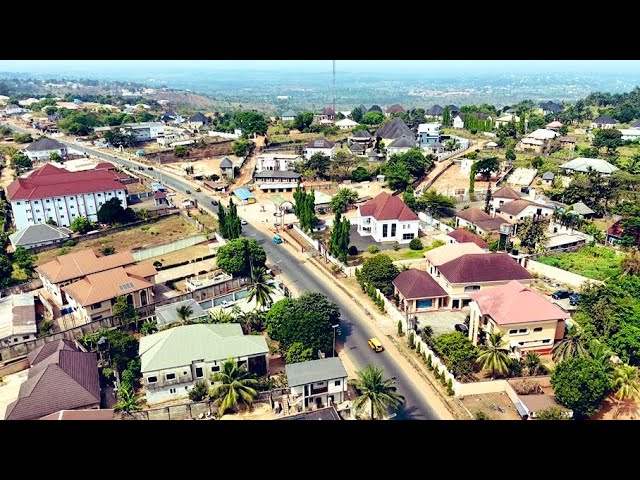
Abagana is an Igbo town in southeastern Nigeria, located in the Njikoka Local Government Area of Anambra State. It is historically known as a great Igbo town that played a vital role during the Biafran-Nigerian war (1967–1970), when Biafran forces famously defeated a Nigerian army convoy in an event known as the Abagana Ambush.
The written record
Abagana covers about 9.2 square kilometres and is bordered by Abba, Ukpo, and Enugu-Agidi to the north, Nimo (also known as Nimo-Owelle) and Eziowelle to the south, Enugwu-Ukwu to the east, and Umunnachi and Ifitedunu to the west.
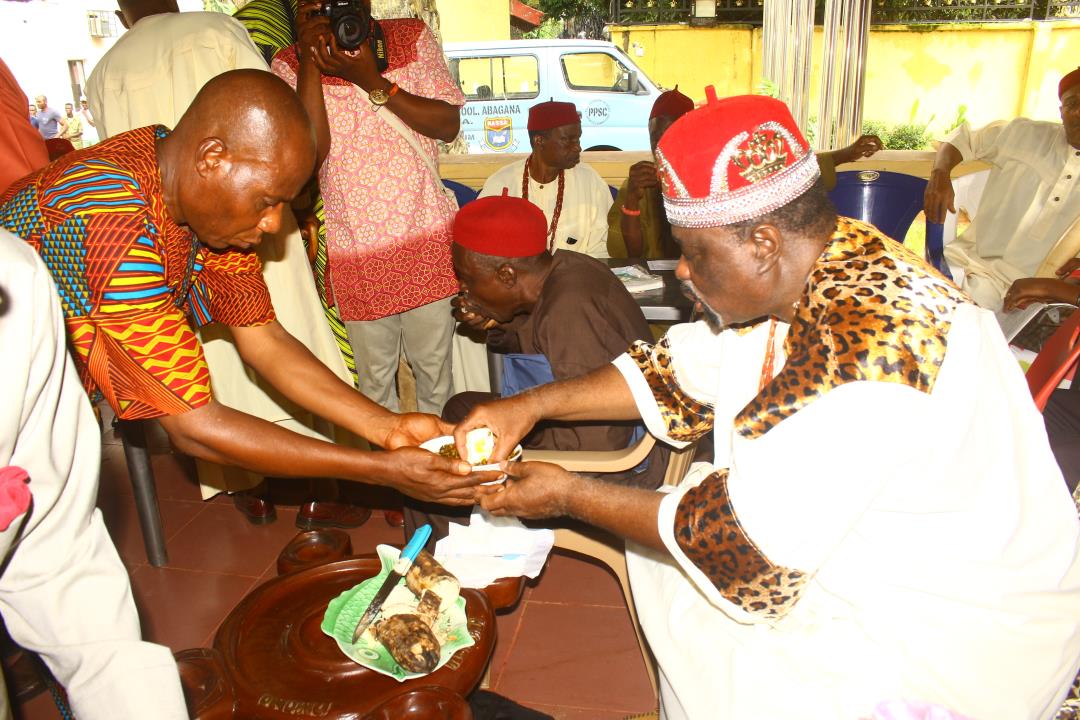
The traditional kingship title in Abagana is Igwe Abagana, and the current traditional ruler is His Majesty Igwe Patrick Mbamalu Okeke.
Historical context
Origins and Ancestral Stories
There is no comprehensive documented account of Abagana’s origin. However, three main versions of its beginnings have been gathered from both our storytellers and the few available records.
Early oral stories say that Abagana, Nimo-Owelle, Eziowelle, and Abba share a common ancestor. A man named Owelle is said to have come from an unknown part of Igboland with his wife, Oma, and settled between present-day Nimo and Eziowelle. Owelle had three sons, Nimo, Ezi, and Abagana, and a daughter named Abba. Today, these towns still celebrate a common ancestral feast called Uta Nwanne na Nwanne, symbolising their brotherhood.
Another version claims that Obum, the father of Abagana, settled at today’s Nkwo Abagana and had nine children, giving rise to the saying “Abagana Ebo Teghete” (Abagana of nine clans). This view challenges the older belief of “Abagana Ebo n’ese” (Abagana of five clans).
The third and most widely accepted tradition says that a man named Agana-Diese founded Abagana. According to this tradition, Agana-Diese had five sons who were the first settlers, which led to the town being originally called “Abagana Ebo n’ese” (meaning “Abagana of five clans”). A spiritual mound was erected where Agana-Diese lived with his family. Today, this mound stands at Nkwo-Abagana Square and remains a symbol of unity and spiritual strength for the people. To honour their shared heritage, the people of Abagana celebrate the Uta-Anu (feast of meat) every November.
Settlement of Dunu and Growth of Umudunu
Over time, Okpala, one of Agana-Diese’s sons, became a prosperous farmer who needed help managing his expanding farmland. Initially, he hired labourers, but he later met a skilled hunter named Dunu from Umunnachi, who often visited on hunting trips. Impressed by Dunu, Okpala gave him land to settle and farm.
Dunu decided to stay permanently, married a woman from Uru-Okpala village, and had three sons: Kabi, Okpalachi, and Dilekwo. These sons formed the three major kindreds that makeup Umudunu village in Abagana today. Other labourers who came with Dunu, mainly from Awkuzu and nearby communities, eventually left, but a few stayed and blended with Dunu’s descendants.
Because Dunu’s children faced difficulties finding wives from neighbouring towns, he established a spiritual practice called “Iti Ofo na Ala”, which allowed for marriage among themselves, a tradition that still exists.
Founding of Orofia and Other Villages
Another important village in Abagana is Orofia, the second-largest, after Umudunu, in both population and land mass. Like Umudunu, Orofia was founded by an immigrant named Chime (also pronounced Chima in some dialects), believed to have migrated from Ohafia in present-day Abia State.
Beyond Umudunu and Orofia, other villages developed over time, such as Umudunu-Uru, Agbaja, and Uru-Okpala, either through the natural expansion of earlier kindreds or the integration of settlers from neighbouring areas. This gradual growth is part of what gave rise to the later recognition of nine villages or clans (“Ebo Teghete”).
Origin of the Name “Abagana”
According to local tradition, the name “Abagana” comes from the founder, Agana-Diese. Initially, the town was called “Ebe-Agana” (Agana’s palace). Later, during the pre-colonial era, neighbouring communities called it “Mba-Agana,” meaning a place where strangers were not easily allowed to pass. This reflected Agana’s fierce and warlike nature, a reputation that lived on during the Abagana Ambush.
When the British arrived, they found “Mba-Agana” difficult to pronounce and shortened it to “Abagana”, just as they simplified other names like Nawfia. British colonialists often avoided travelling through Abagana, despite it being a shorter route from Onitsha to Awka, out of fear of the town’s fierce reputation.
Ede Aro: The Traditional New Year Festival
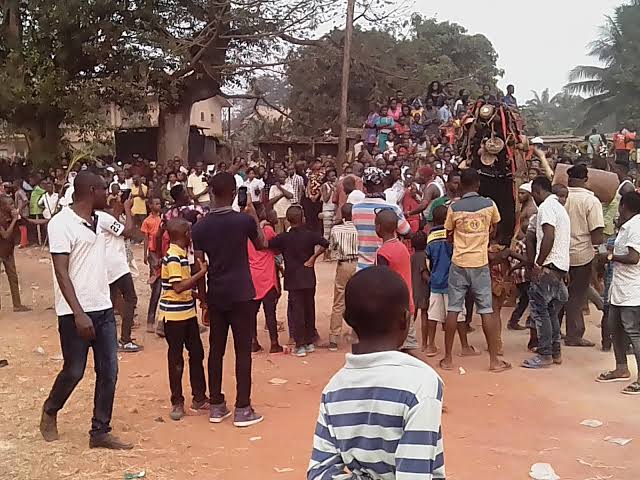
Ede Aro Abagana is the town’s sacred New Year festival, marking the end of one year and the beginning of another. It is celebrated at Afor-Abagana Market Square, where elders and priests offer prayers and sacrifices to the ancestors for blessings, peace, and prosperity. The festival strengthens unity among the people and renews their bond with their ancestral heritage. Today, it is a general celebration, but it is specifically hosted by Orofia village (both Adgbe and Enu Orofia), whose people are descendants of the Aro from Edda-Aro in Ohafia.
Festivals and Celebrations in Abagana
Abagana holds several important traditional festivals that help strengthen the town’s unity and cultural identity.
- Uta-Anu Festival: Celebrated every November, it honours the bond of brotherhood among the descendants of Agana-Diese.
- Ede Aro Festival: This festival marks the end of one year and the beginning of a new one. It is a huge, sacred ceremony held at Nkwo-Abagana Square, where prayers and sacrifices are offered for blessings, peace, and prosperity in the traditional Igbo way.
- Ofala Festival: This is the celebration of the Igwe’s reign. It is an important occasion where the Igwe of Abagana, along with his chiefs and subjects, gather to renew loyalty, showcase royal regalia, and celebrate the continuity of kingship. It usually involves colourful parades, traditional music, dances, and paying homage to the traditional ruler.
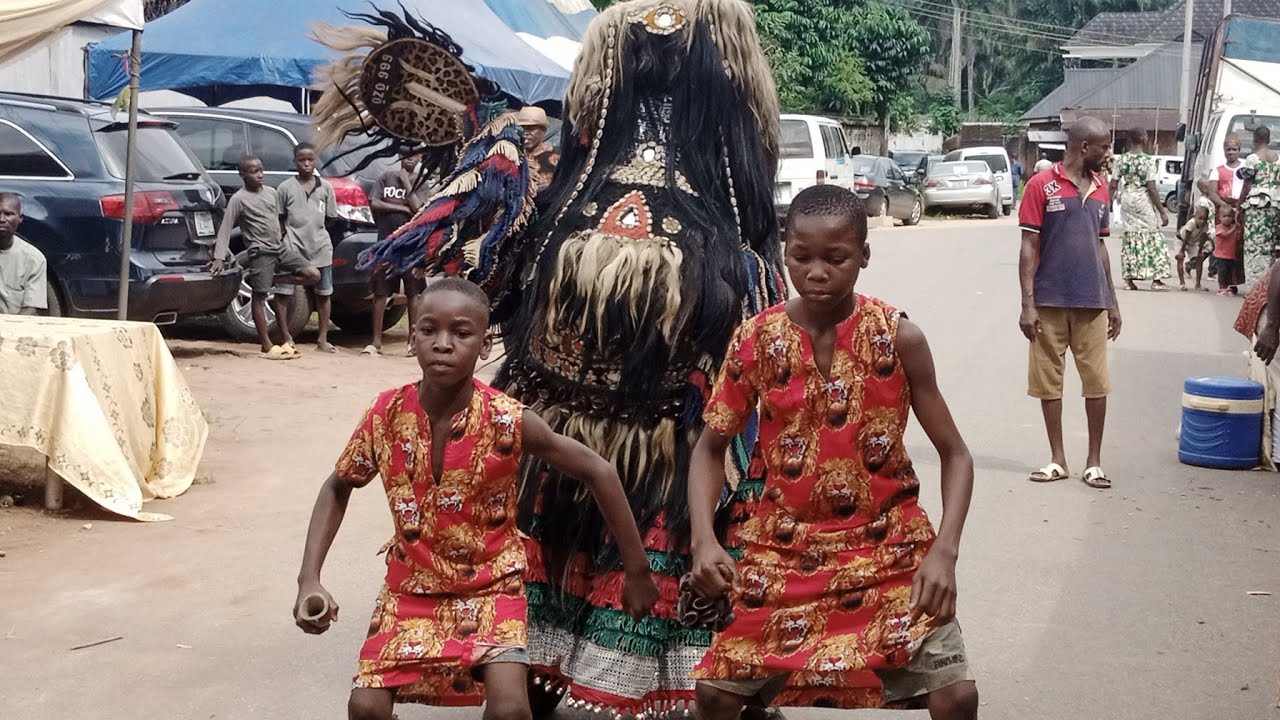
Abagana also celebrates the New Yam Festival, locally known as “Iwa Ji” or “Iri Ji,” a significant cultural event in the town. This festival marks the beginning of the yam harvest season and is a time for the community to express gratitude for a bountiful harvest.
Abagana Ambush
The Abagana Ambush was a major and historical battle during the Nigerian Civil War (1967–1970). In this battle, Biafran forces led by Major Jonathan Uchendu successfully ambushed a large Nigerian army convoy. Using guerrilla tactics and locally made explosives called Ogbunigwe, the Biafrans destroyed dozens of Nigerian armoured vehicles and inflicted heavy casualties. The victory at Abagana greatly boosted Biafran soldiers morale and remains one of the most celebrated military achievements of the war.
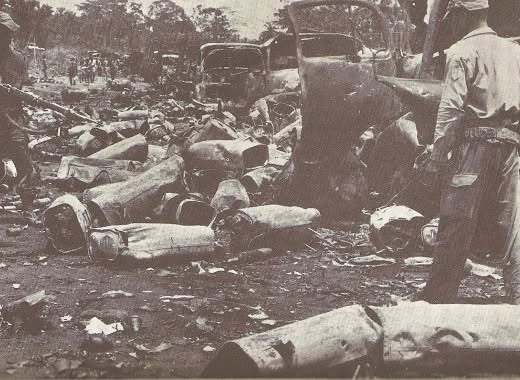
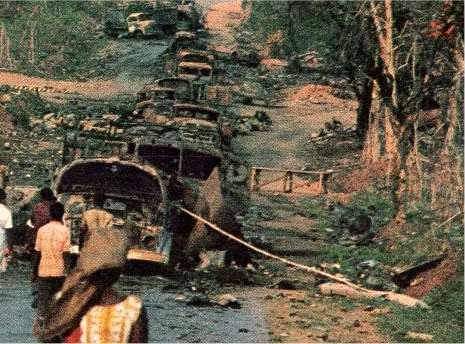
Credit: Gettyimages
Sources and references
- Oral Traditions of Abagana: Community elders’ accounts are preserved in the discussions at Nkwo-Abagana Town Square .
- Family oral histories were passed down among the descendants of Agana-Diese, especially from Umudunu and Orofia villages.
- Traditional rites are observed during the Uta-Anu and Ede Aro festivals.
- Testimonies recorded during Ede Aro celebrations (2015–2024).
- Ojukwu, E. (1989). Biafra: Selected Speeches and Writings . Harper & Row.
- Njoku, O. (2001). Igbo Land and Culture . Nsukka: University of Nigeria Press.
Cite this article
Discussion
Sign in to join the discussion
Comments are checked by an editor before they appear. Leave a source or a correction and it is read first.
Continue reading
Related histories
 EthnohistoryGbam, Chai, Ewo: How Igbo Expressions Became the Language of Nigerian Pop CultureRead history →
 EthnohistoryAro Merchant Network: Historical Trade Integration in the Cross-Niger RegionRead history →
 EthnohistoryTransition to Commodities in the aro confederacy(e.g., Palm Oil, Ivory, Cloth)Read history →
No comments yet
Nothing has been approved on this record yet. Comments are checked by an editor before they appear, so one written now shows on this page after that check.