 Ozikoro
Cultural Heritage · Published history
Adoro of Nsukka- The protective Goddess of Nsukka
For the people of Northern igbo, their cosmology starts with Ezechitoke a genderless supreme god. Ezechitoke (derived from the words eze [king] chi [spiritual force] and toke [sharer of all goodness]), who is the creator of all things. A force too great to behold, Ezechitoke is assisted bya pantheon of more accessible lesser gods and goddesses (for example, Ojiyi, Efuru, and Adoro) who are autonomous yet interdependent. Oracles (Nwachukwu) also inhabit this world and administer their will through physical agents. Then there are ndi_ichie( ancestors ) who dwell in ala mmuo (spiritual realm) and serve as a bridge between the physical and metaphysical. In between these worlds are the priests and priestesses (attamas or edogas) are those who engage and connect humans to ani mmuo.
The written record
Who is Adolo/Adoro
Historical context
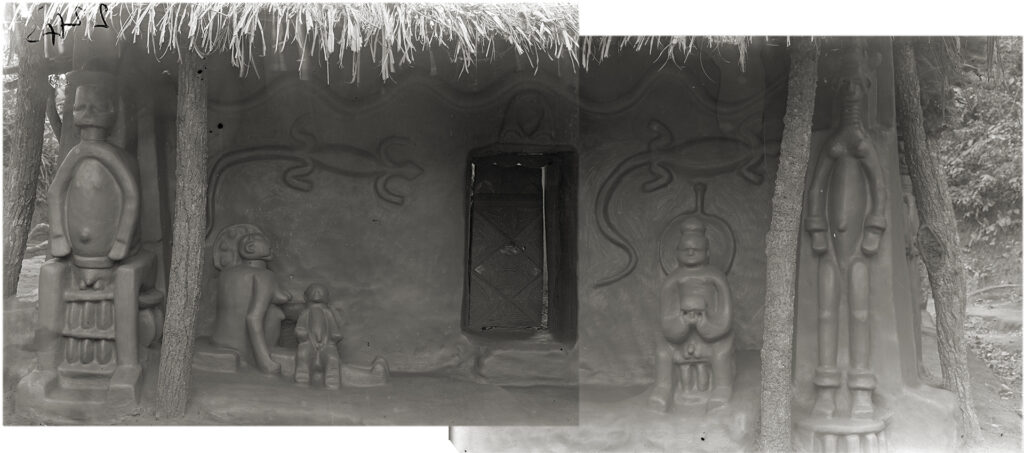
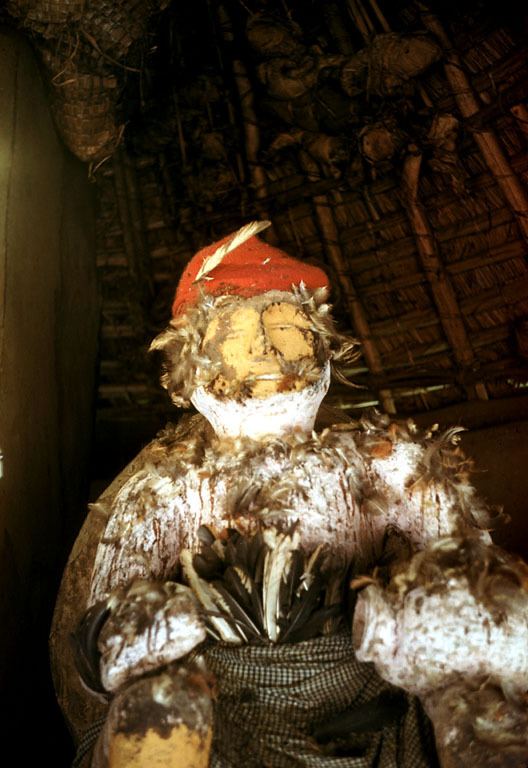
The most powerful deities in Northern Igboland were mostly female deities, and no other deity embodies this as much as Adoro.She is considered to be so powerful that five attamas are needed to administer to her, one in each of the Alor-Uno villages. The most senior attaта serves as the onyishi (head) of the attamas. Adoro is to have developed as a protective medicine possessing broad political and social significance. Fast foward to the early 19th century when Nsukka was plagued with numerous inter-vilage wars, the people of Alo uno needed strong protection and that led to the installation of Adoro as deity. Adoro was concocted and installed by the Edem-Ani family of medicine makers in Nsukka to protect them from the raging wars , the latest which was the invasion of Alo uno by the Nike people.which caused a forceful migration out of the communities. The sister communities formed by this forceful migration are: Alor-Agu and Umu-Alor. Until the early 1960s, Alor-Uno people from these outshoot communities paid tribute every year to their mother town with yams, goats, cows, and chickens.
Rise and fame of Adoro
After Adoro helped avert the complete decimation of Alo-uno, the deity became popular across borders for her predicvtions and announcements . This made people from all over the Nsukka division to seek the face of Adoro in their time of need. With time, Adoro became most powerful legal instrument in Nsukka Division, offenders with the support of diviners began to present their children in marriage as dedicatees in order to appease her. The Alor-Uno people believed that when things went badly for a person she or he became a “slave” (aka gide nwa mmadu obulu ohu). Extended families usually cast lots (ibu ogu) to determine which of their members would be offered to Adoro. In some cases, Adoro instructed a wrongdoer to marry one of her own daughters (as opposed to sending one of their daughters to her).
How Adoro increased its devotees…
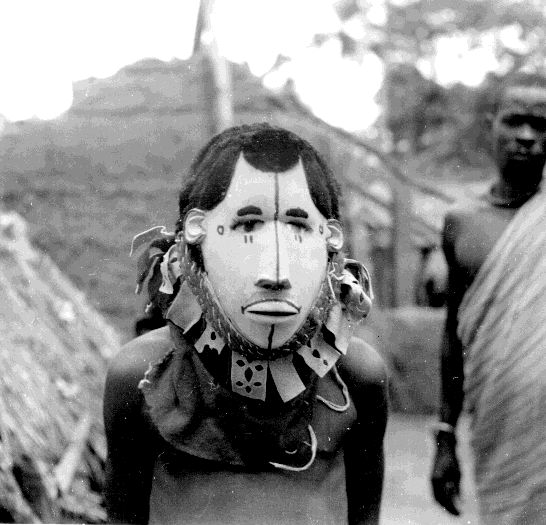
Although Adoro dedicatees were both freeborn and enslaved individuals, the latter typically were young women.Through the marriage process known as igo mma ogo, A young female devotee can help build a relationship between Adoro and an offender’s family. In this way, Adoro extended her protection to the family and community in question. Freeborn Alor-Uno men (diala) were not allowed to marry these dedicatees, as they were considered to be betrothed to Adoro, who had in essence become their female husband and ogo (in-law) to their family. Initially, only Adoro attamas were encouraged to befriend these newcomers and by so doing, serve as sperm donors to impregnate Adoro’s “wives.” However, attamas had no rights whatsoever over the women or any of the children born out of these sexual relations. Female Adoro dedicatees of “slave” descent were not allowed to fraternize with Adoro priests nor other freeborn Alor-Uno men but fulfilled their reproductive responsibilities by having physical relationships with indigenous men of similar status. As the years passed, and especially with the exploding numbers of Adoro wives in Alor-Uno, freeborn Alor-Uno men were increasingly encouraged to have sexual relationships with these Adoro dedicatees. Children born of these unions, although tied to Adoro, were allowed to marry. Adoro was thus able to continue her repopulating mission without interruption. The line dividing freeborn from dedicatee was blurred in Alor-Uno. There were no outer determinants of ohu status like dada (dreadlocks) or body scarifications as was the case of the osu (“slave”) in southern Igboland. Adoro dedicatees were fully integrated into Alor-Uno society in such a manner that a separate “slave” community never developed (such as existed in other Nsukka communities). Alor-Uno’s exceptional treatment of her newcomers may be attributed to the fact that her citizens were fearful of what Adoro might do to them if they ill-treated or segregated the wives and children she brought home.
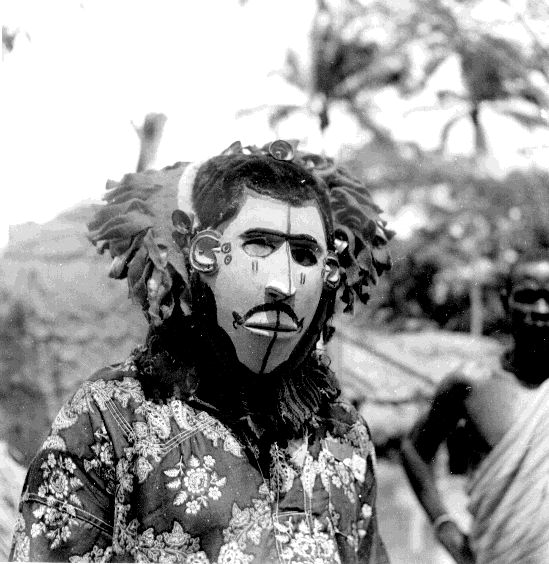
Adolo and the erosion of Its influence with the coming of colonialism and christianity
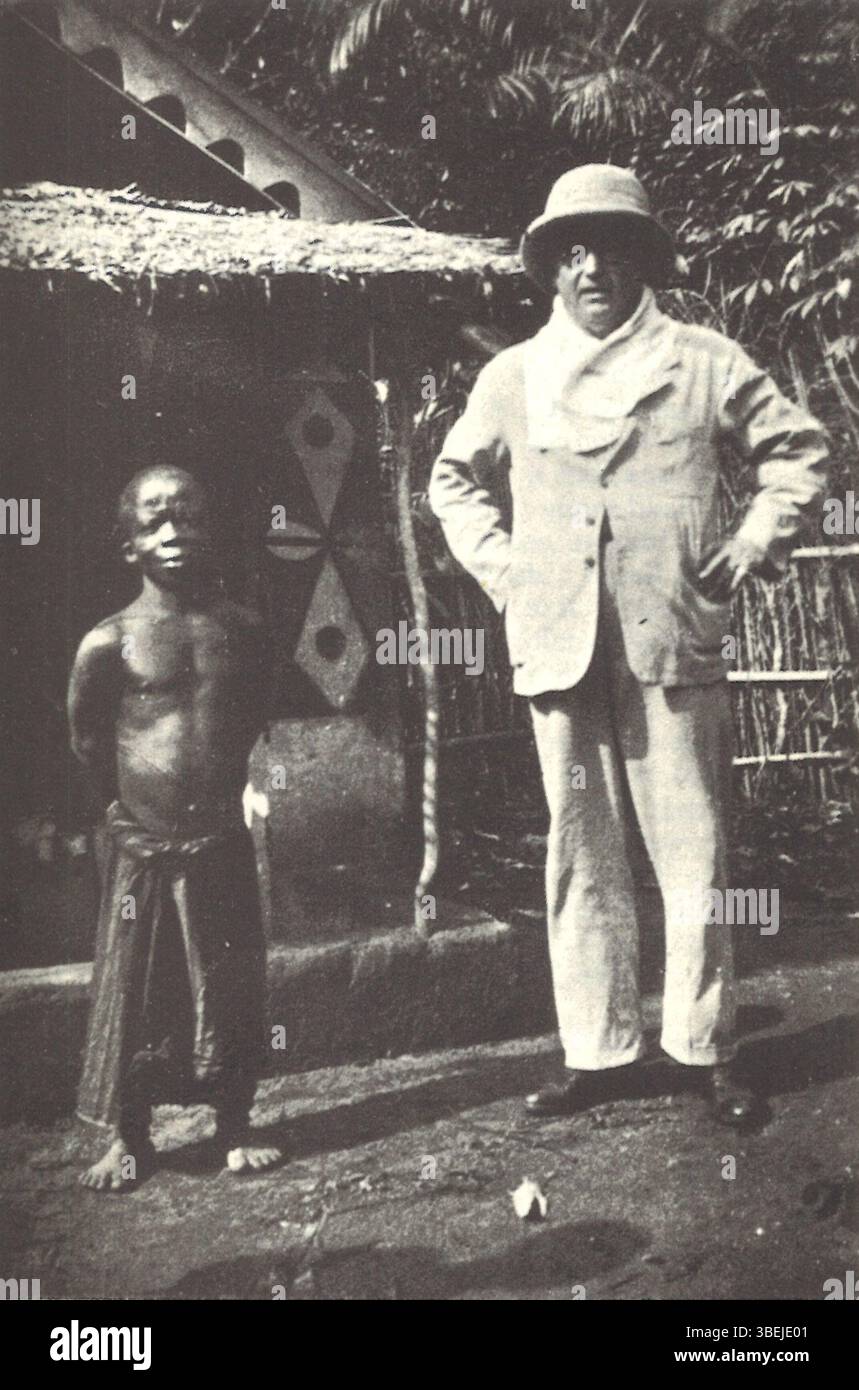
When the British arrived in Adoro , they tried to first demonize the deity, in fact one missionary said , “The greatest hindrance to the work in the Eha and Nsukka Districts is the power of the great JUJU ODO. Once the power of Odo is broken, the people will flock in to accept the Good News of Salvation through Jesus Christ our Lord. We must pray that God’s Holy Spirit will bring this wonderful thing to pass.”. This would lead to a prolonged battle both diplomatically and in the trenches. In their war of words against Adoro, the missionaries said “”There is one big ‘JUJU’ man here called the Adolo priest he collects children from their parents (who give them up willingly in most cases because they think they are compelled to…) and they go to live in his compound forever.” Meanwhile these devotees belong to Adolo out of their own volition and it was ironic because most of these missionaries came from seminaries where parents sent their kids to them to basically follow the religion and live among the “christs chosen ones” just like Adoro’s chosen devotees.
They did not stop the war of words, they went further to lobby the Edem-ani family with lots of money in cash to decimate Adoro or at least greatly reduce its power , so as to make the deity unpopular amongst the Alo-uno people. While the British were working hard, the people of Alo-uno were working harder, they sent a delegation to inform the Edem-Ani people about the impending British demands and beseech them to heighten Adoro’s power rather than weaken it. The Edem-Ani medicine family, like good and hospitable hosts, received both parties; but, in the end, Eze Nwa Agibo, the head medicine man, led a team of medicine men who offered sacrifices to reinforce and invigorate rather than diminish Adoro’s power (igwoта ya ozo).
After this expedition failed, the british went on to a punitive expedition of sister communities of Alo-uno, Alo-Agu to be precise. The british attacked the community just to get hold of the shrine and also burn it to the ground. It is said that, while the shrine was burning to the ground a vulture sprung up and ascended to the sky, this prompted the people of Alo-Adoro to return with the vulture in hand and then look forward to revitalizing the burnt shrine.
After some decades , in the 20th century most families turn their backs on Adoro fo, for most had converted to christians as the missionaries wanted.
Sources and references
- Achebe, N.(2003) Igo mma ogo: The Adoro goddess, her wives, and challengers — Influences on the reconstruction of Alor-Uno, Northern Igboland, 1890–1994.
- P. Basu (2021), [Re:]Entanglements: Agukwu Nri-Uli: Art and archive .
Cite this article
Discussion
Sign in to join the discussion
Comments are checked by an editor before they appear. Leave a source or a correction and it is read first.
Continue reading
Related histories
 Cultural HeritageEleven Days of Nwafor Ogidi: Inside the Festival Keeping an Old Igbo Tradition AliveRead history →
 Cultural HeritageIli Ji Nkpor Obododike: The Indigenous Agricultural Ritual CycleRead history →
 Cultural HeritageMusic and Drum Traditions: Tracing the “Igbo Drum” in the AmericasRead history →
No comments yet
Nothing has been approved on this record yet. Comments are checked by an editor before they appear, so one written now shows on this page after that check.