 Ozikoro
 Biography · Published history
Akachi Adimora Ezeigbo: Biography, Literature, and the Expression of Igbo Culture
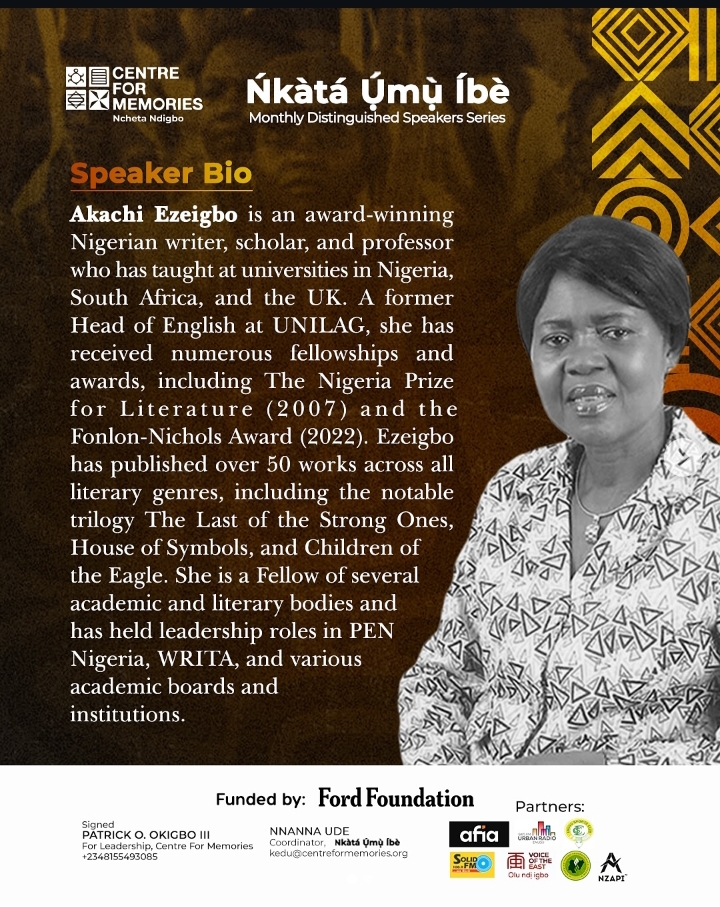
Akachi Adimora Ezeigbo is one of Nigeria’s most prolific and influential literary figures. A distinguished academic, novelist, poet, children’s author, and cultural critic, her work engages deeply with issues of gender, identity, and tradition, particularly as they relate to Igbo society. In an age where African voices continue to shape global literature, Ezeigbo’s contributions stand out for their depth, scope, and unapologetic celebration of cultural authenticity. This essay explores Ezeigbo’s life, traverses her key literary works, and analyses how her writing highlights Igbo culture, community resilience, and the position of women within Igbo traditions.
The written record
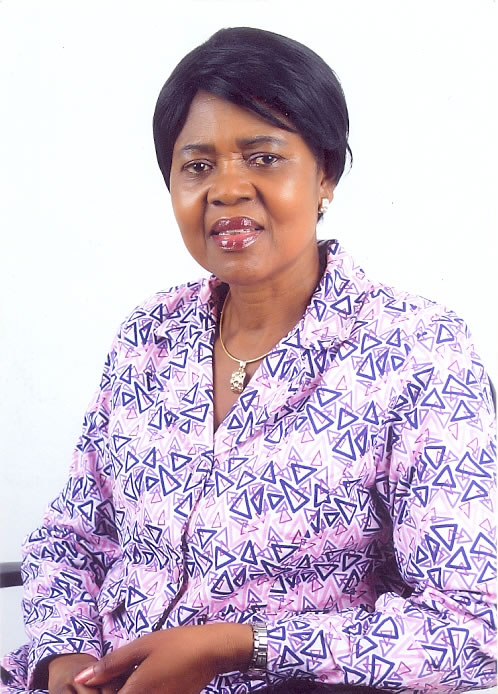
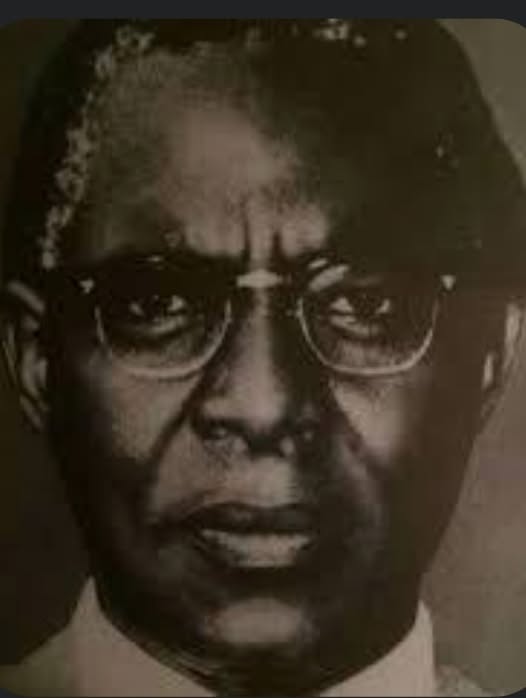
Photo credits; Independent newspaper Nigeria
Historical context
Early Life and Education
Akachi Adimora Ezeigbo was born on November 2, 1947, in Uga, a town in Anambra State in southeastern Nigeria. She grew up as the first child in a large family, experiencing both rural life and urban growth, an experience that later animated her literary imagination. Although raised in Eastern Nigeria, Ezeigbo has lived and worked in various regions of the country. East, North, and West providing her with insight into Nigeria’s cultural diversity.
Ezeigbo’s formal education in English language and literature began at the University of Lagos, where she earned her BA and MA degrees. She later obtained a Ph.D. from the University of Ibadan, one of Nigeria’s premier centres of learning. She also holds a Postgraduate Diploma in Education, demonstrating her commitment to both scholarship and pedagogy.
Ezeigbo’s academic career has been remarkable. She began teaching English at the University of Lagos in 1981 and became a full professor in 1999. She served multiple terms as Head of the English Department and later joined the faculty of Federal University Ndufu-Alike, Ikwo in Ebonyi State, where she mentors new generations of scholars.
Her influence extends beyond teaching. Ezeigbo has held fellowships at international institutions, including the School of Oriental and African Studies at the University of London and universities in South Africa and Germany. She has also served on editorial boards and literary prize committees, including as Chair of the advisory board of the Nigeria Prize for Literature.
Ezeigbo’s scholarly work merges critical analysis with cultural commentary, particularly on African and Igbo experiences. She has authored over sixty books, including academic texts, novels, poetry, plays, short stories, and children’s literature. Her broad oeuvre reflects her versatility and sustained creative energy.
Major Literary Works
Fiction and the Umuga Trilogy;
Among her best-known works is the Umuga trilogy, which includes The Last of the Strong Ones (1996), House of Symbols (2001), and Children of the Eagle (2002 or 2005, depending on editions). These novels explore the lives of Igbo women in traditional society and interrogate gender roles, community authority, and cultural values.
The Last of the Strong Ones centers on powerful Igbo women who resist external pressures and uphold community stability in the face of colonial intrusion. Ezeigbo characterizes the women not as passive cultural relics but as active agents of change, challenging assumptions about female roles in a patriarchal society. Similarly, Children of the Eagle examines the dynamics of Igbo women married into and outside their kin groups (umuada and alutaradi), interrogating patriarchal assumptions and redefining women’s roles in community resilience.
Across the trilogy, Ezeigbo foregrounds Igbo customs, belief systems, and community structures. Traditional ceremonies, proverbs, and communal debates are integrated into narrative structures, illustrating how everyday life reflects broader cultural logics.
Children’s Literature, Poetry, and Other Genres
In addition to adult fiction, Ezeigbo has made substantial contributions to children’s literature, with more than 20 titles that explore children’s experiences, ethical dilemmas, and cultural heritage. Her children’s books often adapt Nigerian folklore and local narratives, introducing young readers to their cultural roots while addressing contemporary issues such as child upbringing, rights, and social development.
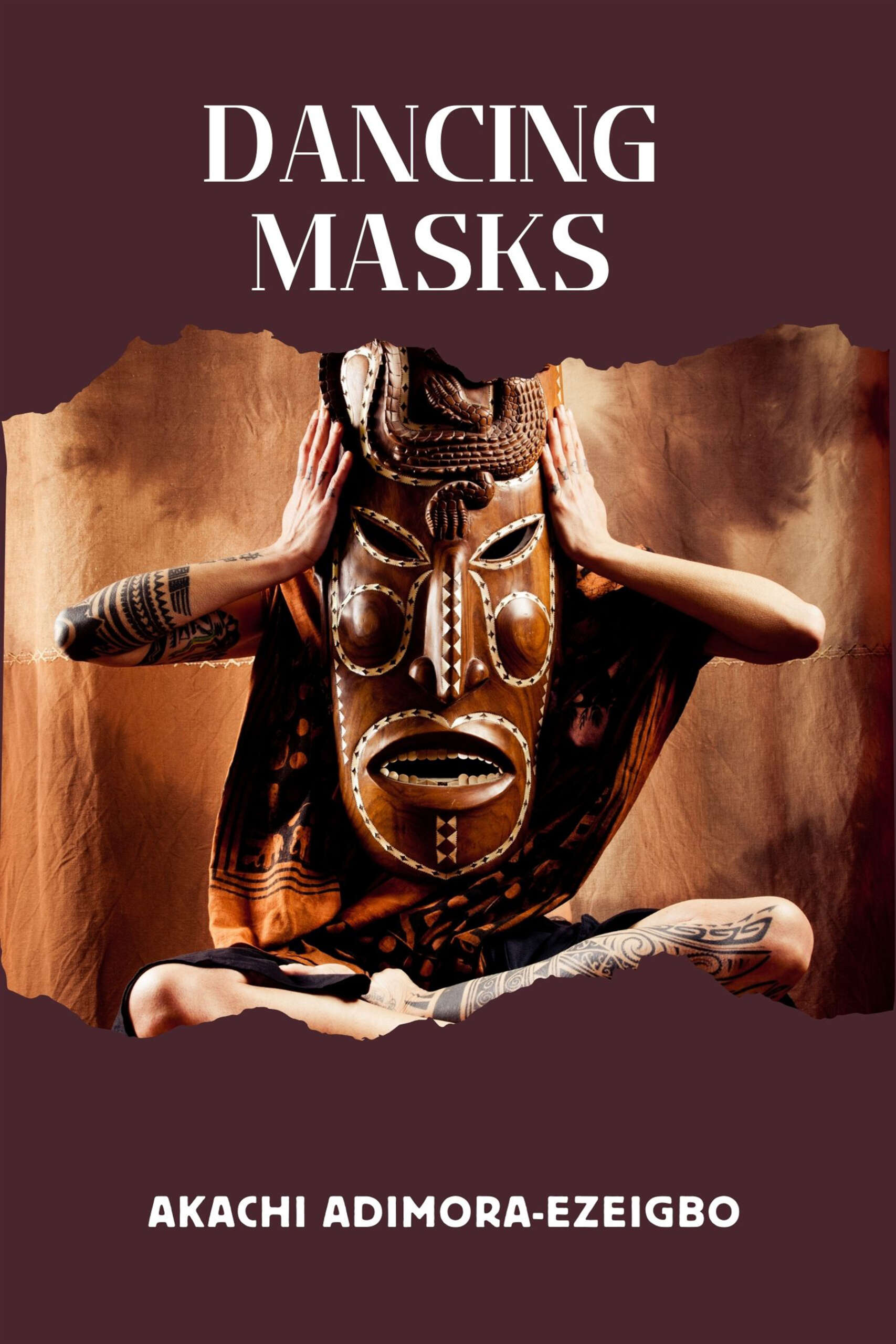
Her poetry collections, such as Heart Songs, Waiting for Dawn, and Dancing Masks, engage with social contradictions, gender politics, and cultural exploration. Ezeigbo’s poetry is noted for its interrogation of societal norms, power structures, and identities within post-colonial Nigeria. For example, poems in Heart Songs explore themes of patriarchy, political corruption, and gender inequity through lyrical expression rooted in Igbo sensibilities.
Across all genres, fiction, poetry, children’s books, Ezeigbo demonstrates a remarkable ability to marry local cultural specificity with universal human themes, making her work both regionally grounded and globally relevant.
Highlighting Igbo Culture in Literature
Ezeigbo’s literature is deeply rooted in Igbo cultural worldviews. She uses proverbs, idioms, and indigenous storytelling techniques to anchor her narratives in everyday Igbo life. Her characters often navigate traditional rites, community decisions, and familial responsibilities, reflecting how cultural practices shape individual identity and community belonging.
In her novels, community gatherings, title-taking systems, ancestral reverence, and communal problem-solving are recurring motifs. Ezeigbo does not romanticize tradition; instead, she portrays it with complexity, recognizing both its strengths and its limitations, especially in relation to gender inequality and colonial disruption.
For example, in Children of the Eagle, women’s roles in community governance are expanded beyond normative expectations, inviting readers to rethink patriarchal assumptions embedded in Igbo customs. Similarly, her representation of strong female protagonists in The Last of the Strong Ones counters reductive stereotypes of African women, demonstrating their capacity for courage, wisdom, and leadership. Akachi Adimora Ezeigbo can easily be called a feminist. Her children’s literature often draws on Igbo folklore and myth, situating moral lessons within traditional contexts and introducing young readers to the rhythms of Igbo culture in accessible, engaging ways.
Akachi Adimora Ezeigbo’s literary and academic contributions have earned her numerous awards, including the Nigeria Prize for Literature (2007) for her children’s novel My Cousin Sammy, as well as prizes for poetry and short stories (The Nigeria Prizes Website, 2026; AkachiEzeigbo.org, 2026). Her work continues to be studied in universities globally, and in 2022 a literary prize was instituted in her honour to support emerging writers.
Ezeigbo’s legacy lies in her profound commitment to cultural representation, intellectual engagement, and gender advocacy. By centering Igbo voices and perspectives, she has enriched African literature and contributed to global literary discourse.
Sources and references
- AkachiEzeigbo.org. (2026). Biography and publications of Professor Akachi Ezeigbo.
- Professor Akachi Ezeigbo Anyokwu, C. C. (2017). Akachi Adimora-Ezeigbo: Her significance as a poet. Lexington Books.
- Nwachukwu-Agbada, J. J. (2011). ‘Daughteronomy’: Akachi Adimora-Ezeigbo, domestic amazons and patriarchal assumptions in Children of the Eagle. Tydskrif vir Letterkunde, 48(1), 86–97.
- Samphina Academic. (2018). Facts and Fiction in Akachi Adimora-Ezeigbo’s Children of the Eagle and The Last of the Strong Ones.
- The Nigeria Prizes Website. (2026). Prof Akachi Adimora-Ezeigbo profile.
- University of Ibadan Library. (2026). Akachi Adimora-Ezeigbo biography and works.
Cite this article
Discussion
Sign in to join the discussion
Comments are checked by an editor before they appear. Leave a source or a correction and it is read first.
Continue reading
No comments yet
Nothing has been approved on this record yet. Comments are checked by an editor before they appear, so one written now shows on this page after that check.