 Ozikoro
 Biography · Published history
The Role of Print Media Heralded by Nnamdi Azikiwe in Nigeria’s Anti-Colonial Struggle
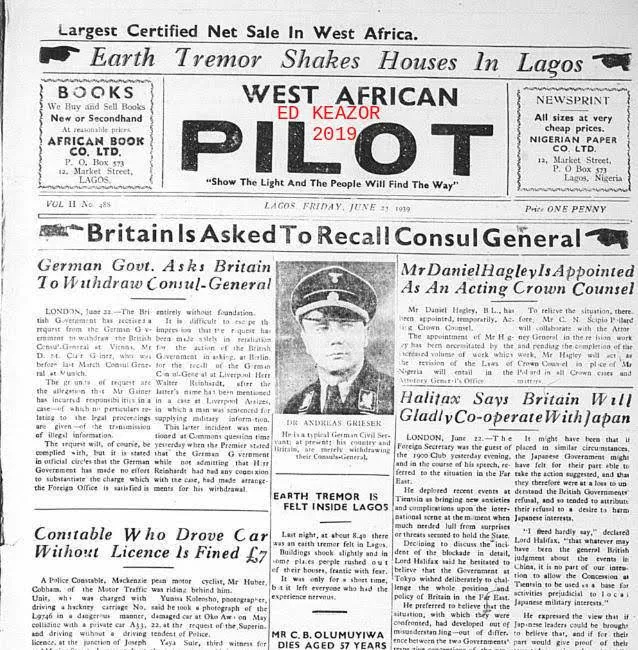
Nnamdi Azikiwe, the “Zik of Africa,” was a pivotal figure in Nigeria’s journey toward independence from British colonial rule. Born in 1904 in Zungeru, Azikiwe combined his roles as a journalist, nationalist, and politician to become one of the foremost architects of modern Nigerian nationalism. His anti-colonial activism came through print media, particularly the establishment and aggressive use of newspapers like the West African Pilot (launched in 1937) and a chain of affiliated publications. These outlets transformed print journalism into a powerful weapon against colonialism, mobilizing public opinion, fostering racial consciousness, and demanding self-determination.
The written record
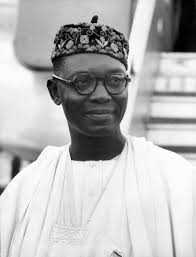
Azikiwe’s journey into journalism was influenced by his experiences abroad and early exposures to colonial injustices. While studying in the United States and later editing the African Morning Post in the Gold Coast (now Ghana) from 1934 to 1937, he learnt how to shape public opinion through radical publications.
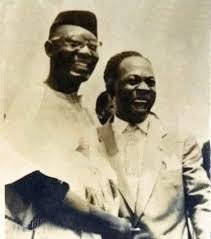
Clash with colonial Authorities:
Historical context
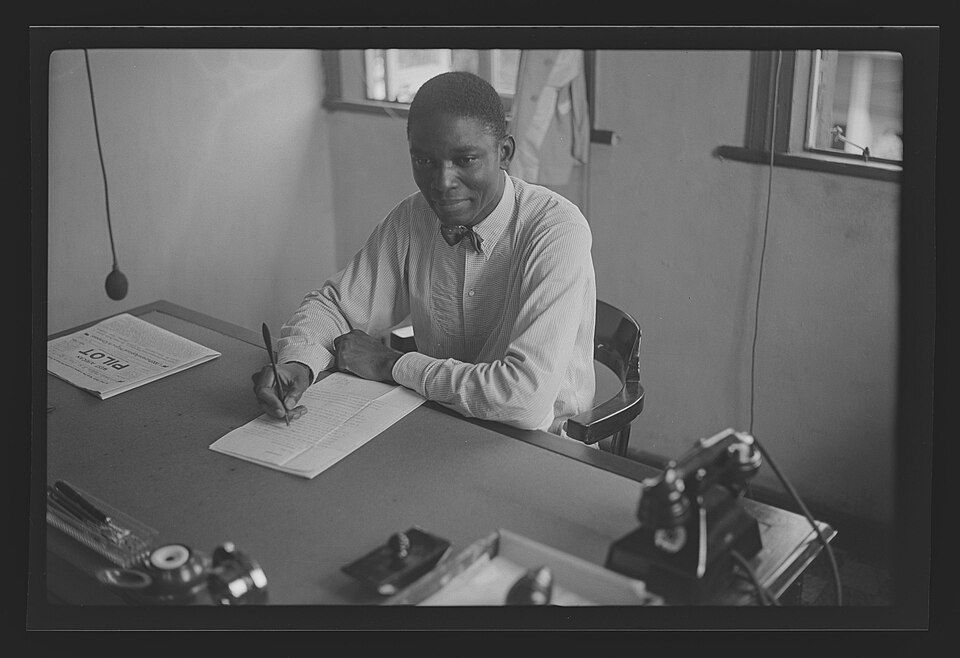
A notable early incident was his 1936 article condemning the British massacre of women protesters during the Aba Women’s Riots (1929), which led to a sedition trial. Upon returning to Nigeria in 1937, he founded the West African Pilot in Lagos with the motto “Show the light and the people will find the way.” This newspaper, which he personally edited until 1947, quickly became the flagship of nationalist agitation.
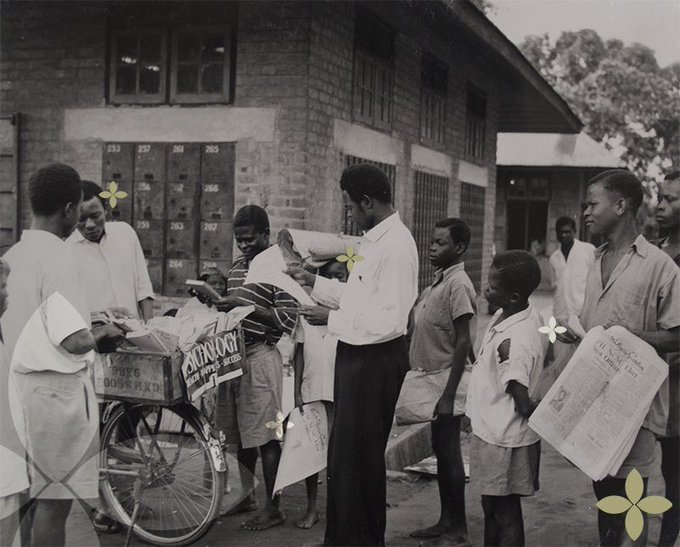
The West African Pilot introduced a unique type of journalism to Nigeria, blending hard-hitting political commentary with engaging elements and features appealing to women and everyday readers. Its circulation grew rapidly—from an initial 6,000 copies to peaks of over 20,000–25,000 daily—reaching urban elites and rural interiors alike. Through fiery editorials, columns such as “The Inside Stuff by Zik,” among others.
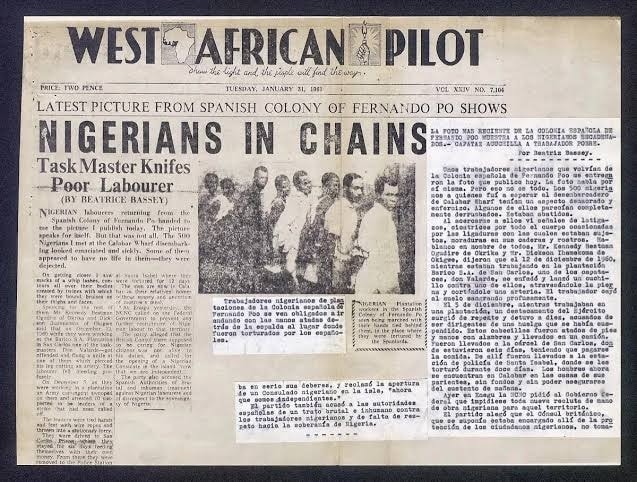
Photo credit : Open source guinea
Ideologies passed down through these papers
These newspapers exposed colonial injustices: racial discrimination, restrictions on African expression, exploitative policies, and the denial of political rights. He passionately critiqued the colonial order, promoted black pride, and advocated for reforms like
- One-person-one-vote, where Zik engaged in women’s right activism and the call for women to vote under colonial rule.
- Africanization and Decolonization of the civil service and military, and
- Eventual self-rule/Independence.
Azikiwe expanded his media empire under Zik Enterprises Limited, establishing regional newspapers such as the Eastern Nigerian Guardian, Southern Nigerian Defender, and others in cities like Enugu, Port Harcourt, Warri, Ibadan, and Kano. This network ensured nationalist ideas penetrated cities across the country, awakening political consciousness across ethnic and regional lines and opposed divide-and-rule tactics used by the colonialists.
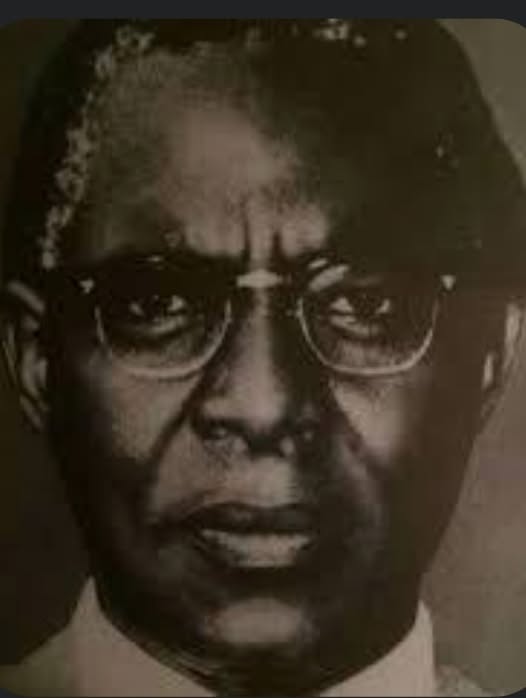
Dr. Nnamdi Azikiwe, then Prime Minister of the Eastern Region, established several newspapers to promote an African-led press across Nigeria.
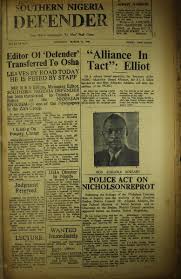
Direct Influence on the anti-colonial struggle
The papers served as mouthpieces for the National Council of Nigeria and the Cameroons (NCNC), which Azikiwe co-founded and led, boosting its membership and influence. The impact of Azikiwe’s print media was profound in the anti-colonial struggle. These newspapers mobilized mass support for key events, including constitutional conferences and elections leading to self-government. The Nigerian press, under leaders like Azikiwe, was arguably as instrumental as political parties in developing modern nationalism by employing a more aggressive stance in advocacy than other factors. Azikiwe’s outlets challenged the legitimacy of colonial rule, inspired a generation of activists and journalists, and watered the ground for Nigeria’s independence on October 1, 1960, where Azikiwe himself became the first indigenous Governor-General and later ceremonial President.
Nnamdi Azikiwe’s media outlets were not merely informational but revolutionary. It democratized discourse, empowered the marginalized through accessibility of both language used and distribution across cities and turned the written word into a catalyst for liberation. Azikiwe’s newspapers proved that journalism could be a sentinel of liberty in the fight against imperialism. His legacy endures as a testament to the power of the press in nation-building and in today’s world , can serve as a resistance to authoritarian and dictatorial regimes across Africa that mirror the atrocities of our colonial past .
Sources and references
- Aguolu, C. C. (1997). Dr. Nnamdi Azikiwe, 1904-1966, first president of Nigeria: A force in library development in Nigeria. World Libraries , 8 (1).
- Idemili, S. O. (1978). What the “West African Pilot” did in the movement for Nigerian nationalism between 1937 and 1957. Black American Literature Forum , 12 (3), 84–91.
- Newell, S. (2016). Life writing in the colonial archives: The case of Nnamdi Azikiwe (1904–1996) of Nigeria. Life Writing , 13 (3), 307–322.
- Zintak, D. (2016). Imagining the Nigerian nation through the West African Pilot newspaper, 1937-1960 [Master’s thesis, University of Louisville]. ThinkIR: The University of Louisville’s Institutional Repository.
Cite this article
Discussion
Sign in to join the discussion
Comments are checked by an editor before they appear. Leave a source or a correction and it is read first.
Continue reading

No comments yet
Nothing has been approved on this record yet. Comments are checked by an editor before they appear, so one written now shows on this page after that check.