 Ozikoro
 Biography · Published history
Zik and the Influence of Zikism in Pan Africanism
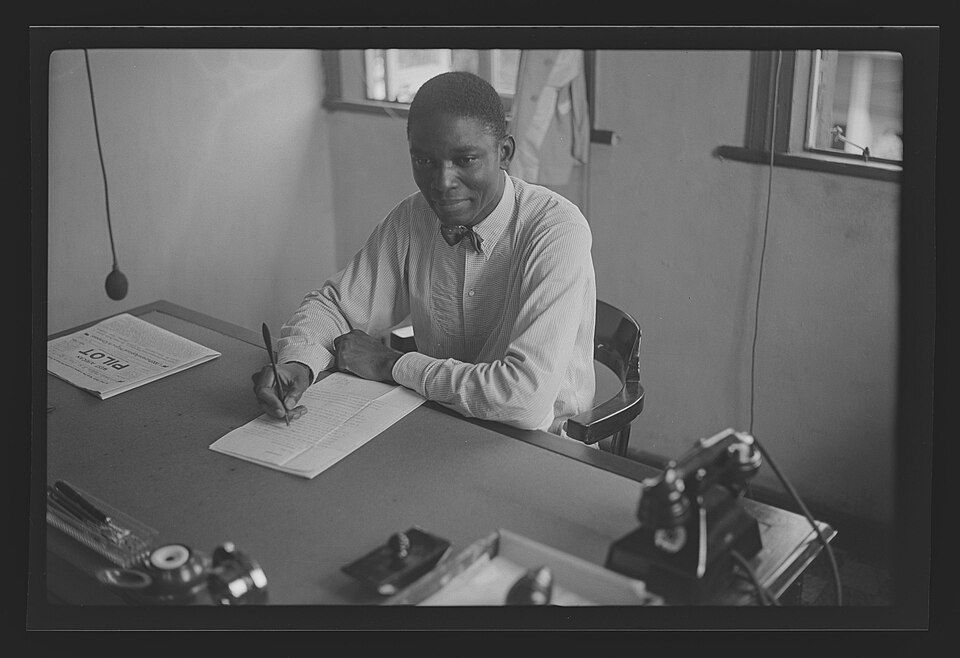
Zik is known as Nigeria’s most influential Nationalist but less is known as a larger than life figure when it ccomes to pan africanism. ZIK’s wake up call to pan-africanism began when he dropped the official use of ‘Benjamin’, his Christian baptismal name. The incident that led to this was his disqualification on technical grounds from representing Nigeria by the Amateur Athletics Association (AAA) of Great Britain during the Empire Games in 1934. Thus, his adoption of his first indigenous name, ‘Nnamdi’. Following this , Nnnamdi Azikiwe wrote a book in 1937 called Nascent Africa where he explored themes on how Africa can become a truly emancipated continent.
The written record
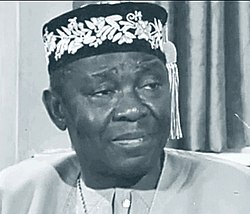
Themes explored by Nnamdi Azikwe
For Nnamdi Azikiwe a truly emancipated africa had to cover certain baselines:
Historical context
(i) Spiritual balance
Zik believed in the non-imposition of one’s belief on others and in a live and let live society.It perceives life and living, not as a winner takes it all concept, but as a game of cooperation, in which the person who is able to cooperate more wins. Respect for the opinion of one’s self if keenly followed by an appreciation and respect for the opinion of others, no matter how different. This is also drawn from the traditional Igbo cosmology of “egbe bere ugo bere”.
(ii) Social Regeneration
Zik believes that for Africans desiring to be completely liberated from a position of being sub-servants to others must eschew any form of sentiments and irrationalism in their understanding and analysis of others. Stereotyping, chauvinism, prejudice and other forms of people classification and rejection should not feature in the thinking of the African in search of growth and advancement. The African’s mind should be broadened enough to see others as individual human beings who are different in terms of experiences. Zik would later employ this in his view of Nigeria and the non-negotiable unity of the country.
(iii) Economic determinism,
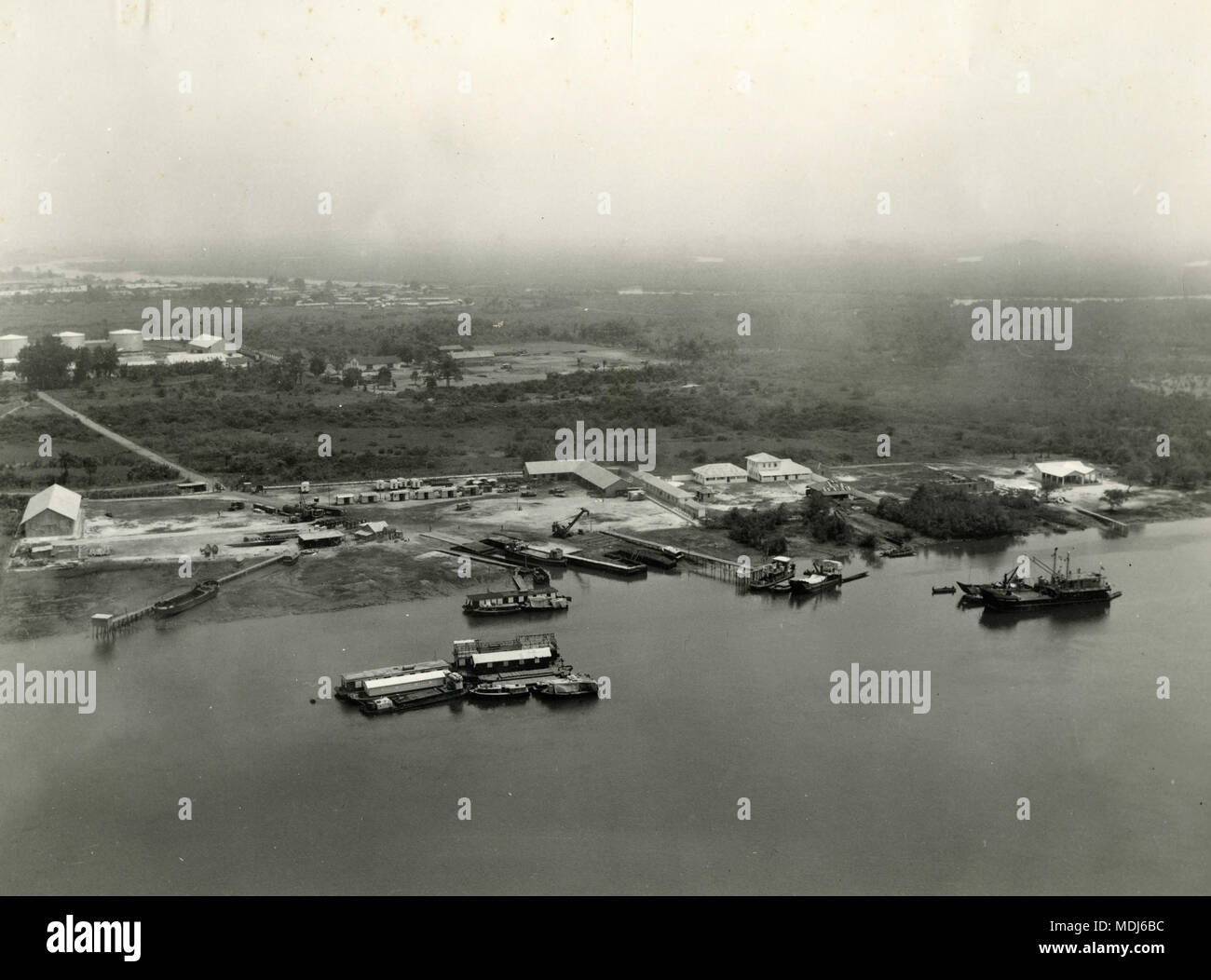
For Zik, freedom of African countries would be an illusion without financial firepower. Zik strongly argued in this book that African economies must first be super productive to gain respect in the world. In this book he calls for the weaning of western taste and consume homegrown products because acquired taste would perpetually put African in a state of dependency to other countries.
(iv) Mental emancipation
For Zik, Africans should strive for an education that solves day to day problems and not some half baked courses put together in Europe or America that don’t translate to problem solving skills at home.
Media as a tool for pan africanism:
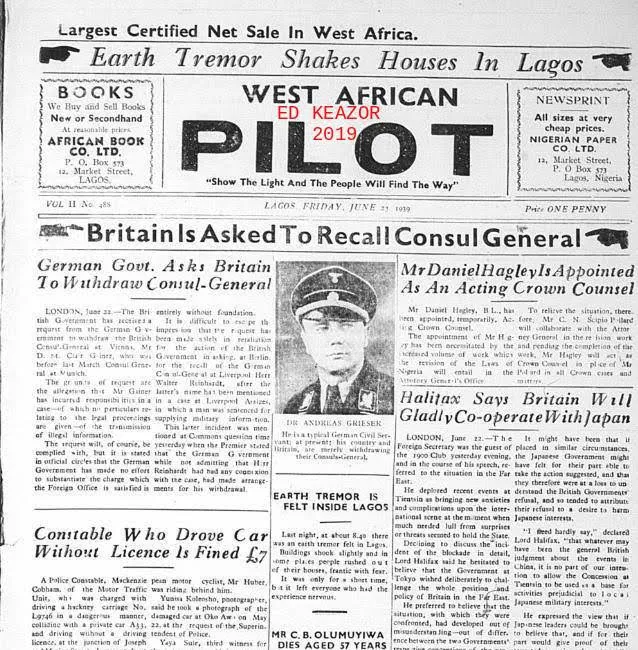
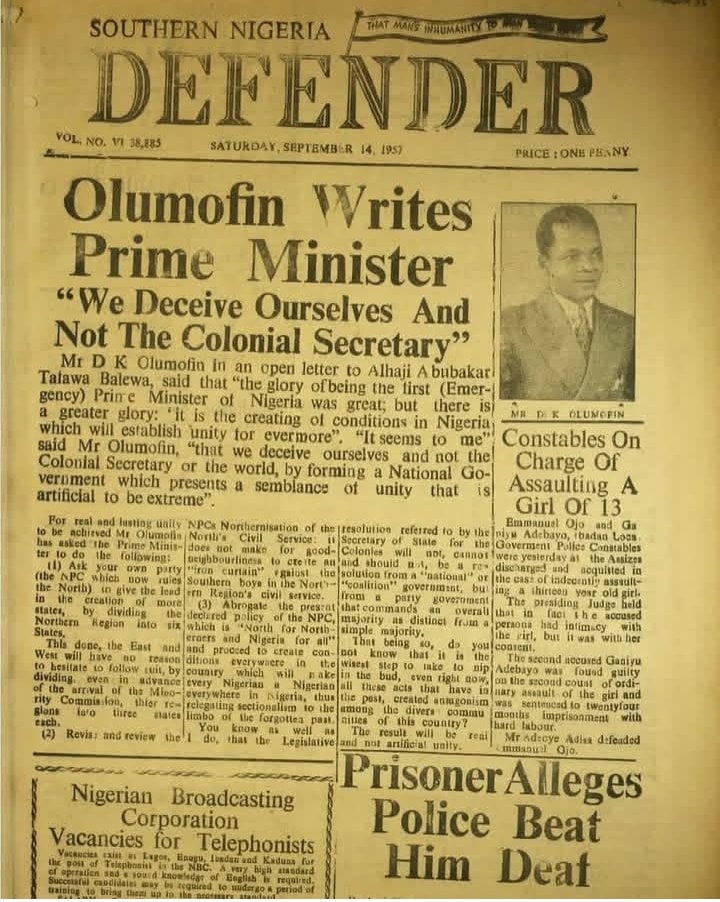
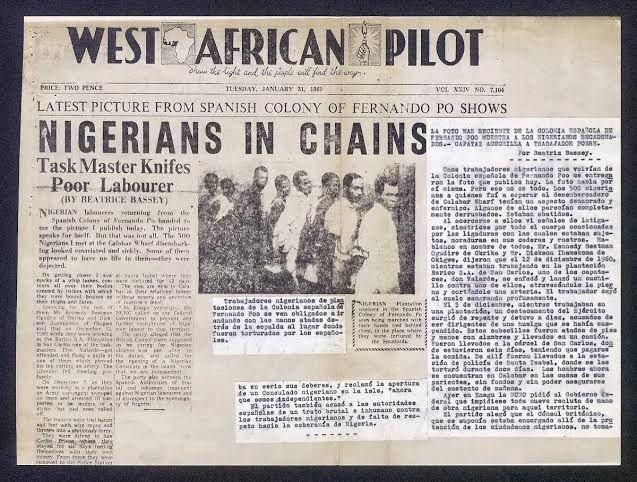
Zik didn’t just write to influence perception, his actions reflected his belief in what a new Africa should look like. Ziks work with the Ghanaian newspaper (African Morning Post) is known to have influenced kwame Nkrumah, it is said that kwame had met zik then after reading alot of ziks publications and not just that Zik influenced his pan african stance but his choice of university as kwame went on to study at lincoln university where Zik had studied.
Bootcamps for Politically active africans around the world:
Zik as the leader of the NCNC established a leadership training institute in Yaba , Lagos to train young rising politicians worldwide on practical concepts in politics and governance. The leaders of several African countries like ( Kenneth Kaunda of Zambia, Julius Nyerere of Tanzania and Kamuzu Banda of Malawi) sent their proteges to the NCNC bootcamp set up by Zik. some of the well known attendees of zik’s political bootcamp are : Tom Mboya, Odinga Oginga and Sam Nujoma.
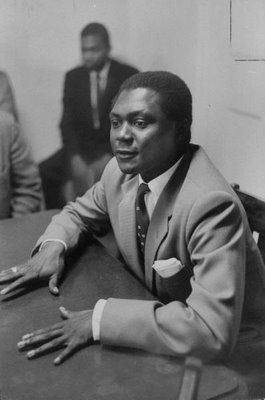
Photo credit : Blackpas.og
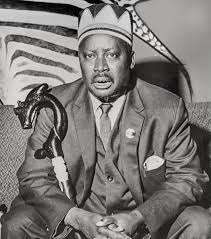
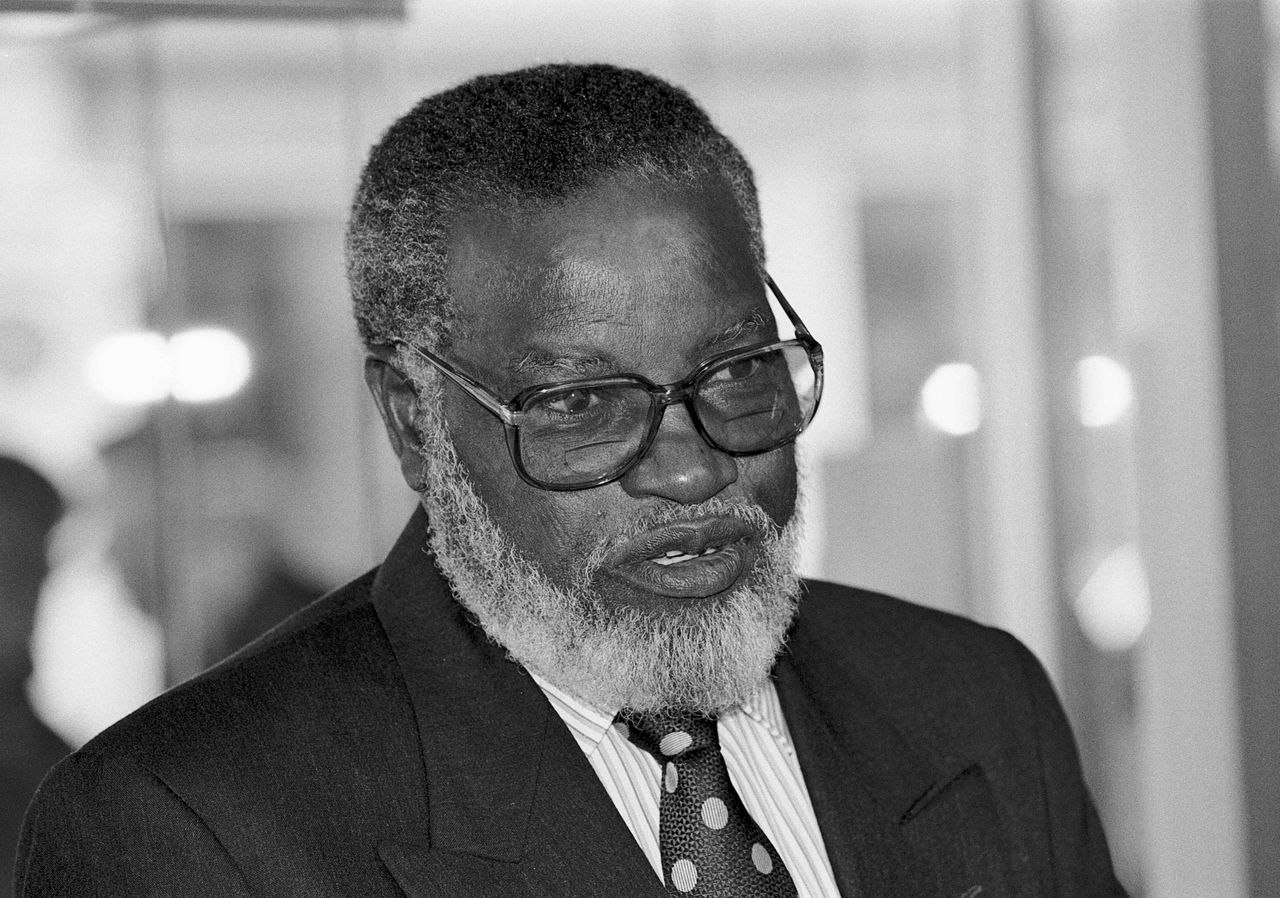
Photo credit :
The Namibian
For Zik, pan africanism wasn’t just a vision or ideology to be parroted, it was a political movement to lead Africa to fulfill its potential, it wasn’t about adopting western ideologies like Capitalism or eastern ideologies like communism or socialism but pragmatic philosophies that enable Africa take their place in the world without any constraints at all.
Sources and references
- Igwe, A. U. (2015). ‘Zik of Africa’—An appraisal of the contributions of Dr. Nnamdi Azikiwe to African socio-political and economic growth in the twentieth century.
- Esiobu, C. (2021, January 16). Zikism and Africa’s mental emancipation.
Cite this article
Discussion
Sign in to join the discussion
Comments are checked by an editor before they appear. Leave a source or a correction and it is read first.
Continue reading
Related histories
 BiographyDr. Simon Ezevuo Onwu: Pioneer Indigenous Medical Doctor of Eastern NigeriaRead history →
 BiographyThe Role of Print Media Heralded by Nnamdi Azikiwe in Nigeria’s Anti-Colonial StruggleRead history →
 BiographyHow Obiora Udechukwu Merged Traditional Igbo Symbolism with Post-War Nigerian ExpressionRead history →
No comments yet
Nothing has been approved on this record yet. Comments are checked by an editor before they appear, so one written now shows on this page after that check.