 Ozikoro
 Cultural Heritage · Published history
Amadioha: The Igbo God of Thunder, Justice, and Creation
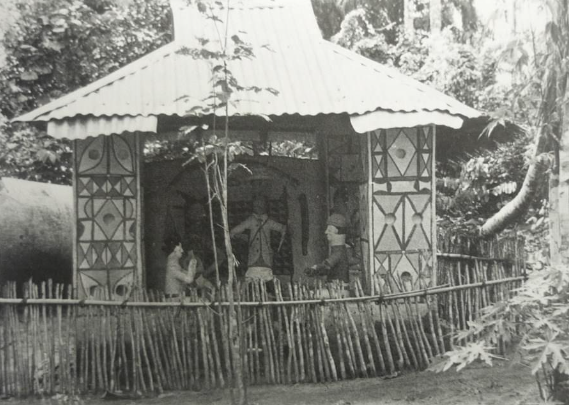
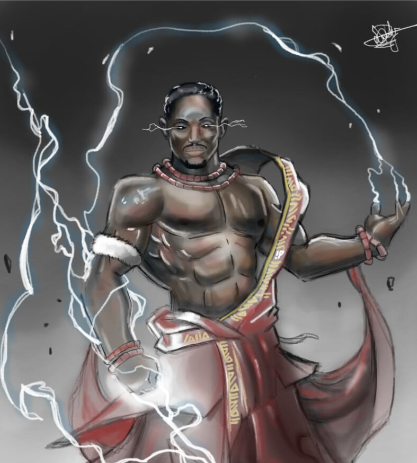
The Igbo people of southeastern Nigeria have a vibrant spiritual heritage that is deeply rooted in their traditional religion, Odinani (also known as Odinala). At the heart of this cosmology lies Amadioha, the revered god of thunder and lightning, a deity whose presence commands both fear and respect. Known as the “King of the Sky,” Amadioha embodies justice, community will, and divine power. This article explores the multifaceted role of Amadioha in Igbo culture, delving into his origins, worship practices, symbolism, and enduring influence in modern times. We uncover the profound significance of Amadioha in Igbo society in a friendly, engaging way, inviting you to discover the richness of this ancient tradition.
The written record
Historical context
The Origins and Identity of Amadioha
Amadioha is also called Kamalu, Kamanu, or Ofufe in different parts of Igbo land. He is one of the most important gods in Igbo belief. His name comes from the words Amadi (a title for freeborn men) and Oha (meaning community or people), which together mean “man of the people.” This shows his role as a god who speaks for the people. The Igbo have long lived in societies without kings, where everyone has a say. Amadioha’s main shrine is in Ozuzu, in the Etche area of Rivers State, Nigeria, and it is the main place where people go to worship him.
Amadioha is known today as the Igbo god of thunder, lightning, and justice. However, some oral traditions say he was once a real person who later became a god. These stories tell that he came from Ozuzu (in what is now Etche, Rivers State) and moved to Uturu a long time ago. He was said to have taken part in early battles, either with or against groups from Lejja—famous for its ancient ironwork—and Awka, known for its skilled blacksmiths. People describe him as a clever and powerful leader in war, and his actions may have led to him being worshipped as a god.
The worship of Amadioha has deep roots in Igbo history, with oral traditions and archaeological evidence suggesting a long-standing presence. In Igbo cosmology, Amadioha is the partner of Ani (or Ala), the earth goddess, forming a complementary divine pair that governs the natural and social order. His association with thunder and lightning, referred to as “egbe eluigwe” (heavenly guns), symbolises his authority over the skies and his ability to deliver swift, divine judgment.
In some Igbo narratives, Amadioha is credited with the creation of humanity. A popular myth recounts how he struck a silk tree with lightning, from which the first man and woman emerged. This creation story, though not universal across Igboland, highlights his dual role as both a destructive and creative force. His emblem, the white ram, and his symbolic colour, red, further emphasise his power and purity, with white rams often used in sacrificial rituals dedicated to him.
Amadioha as the God of Justice
Amadioha’s most defining role is as the arbiter of justice in Igbo society. In a culture where community consensus was paramount, Amadioha served as the enforcer of moral and social order. His thunderbolts were seen as divine interventions, targeting those who violated communal laws or oaths. A person struck by lightning was believed to have been judged guilty by Amadioha, their body marked with a dark spot on the forehead as a sign of divine retribution. Such individuals were not buried but cast into the forest, a practice that underscored the severity of Amadioha’s judgment.
Oaths sworn in Amadioha’s name were considered sacred and binding, with the penalty for falsehood being a violent death. This practice made him a central figure in resolving disputes over land, marriage, or other communal matters. Those who were guilty feared his wrath, knowing that Amadioha’s justice was swift and unforgiving. His lightning strikes were also believed to reveal charms or talismans buried with malicious intent, protecting the community from hidden evils. This role as a protector and enforcer made Amadioha a cornerstone of social harmony, especially in southern Igboland, where his cult is said to have originated in Ahoada, Rivers State.
Worship Practices and Rituals
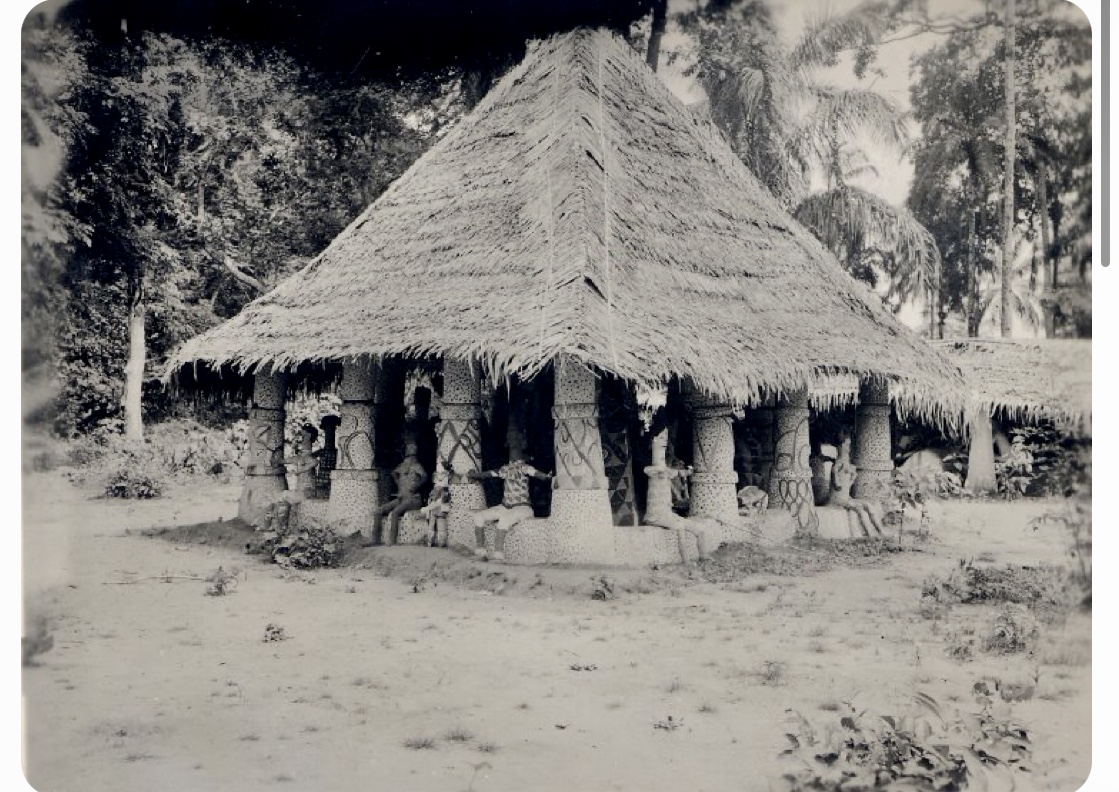
The worship of Amadioha is a vibrant part of Igbo religious life, centred around his shrines and sacred days. The principal shrine in Ozuzu remains a focal point for devotees, where priests and priestesses conduct rituals to honour the deity. The sacred day of Afor, the third market day in the Igbo four-day week, holds special significance for Amadioha’s worship, with offerings and prayers made to seek his favour or appease his wrath.
Rituals dedicated to Amadioha often involve sacrifices, particularly of white rams, which symbolise purity and strength. These offerings are accompanied by prayers for prosperity, fertility, and protection from evil. In some communities, Amadioha is invoked during planting seasons to ensure bountiful harvests, reflecting his benevolent side. Medicinal plants are often used in these rituals, blending spiritual and practical knowledge in Igbo worship.
Amadioha’s shrines are more than places of worship; they are centres of justice. In pre-colonial times, disputes were brought before the shrine, where priests mediated conflicts under Amadioha’s divine authority. The fear of his retribution ensured compliance with communal decisions, making his shrines vital institutions in Igbo governance.
Symbolism and Cultural Significance
Amadioha’s symbolism is rich and layered. His association with the white ram and the colour red reflects his dual nature as both a fearsome enforcer and a benevolent protector. The white ram, a symbol of purity, is often sacrificed to appease or honour him, while red signifies power, vitality, and the intensity of his thunderbolts. In some traditions, Amadioha is linked to the sun, elevating his status as a celestial deity who embodies both life-giving and destructive forces.
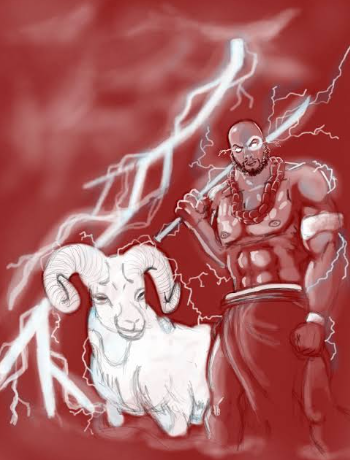
The concept of “Oha,” meaning community, is central to Amadioha’s identity. In Igbo society, where decisions were made collectively through assemblies, Amadioha represented the divine endorsement of communal will. His role as “man of the people” highlights the Igbo emphasis on egalitarianism and collective responsibility. This communal aspect sets Amadioha apart from other thunder deities in African cosmologies, such as Shango in Yoruba religion, who is often tied to kingship.
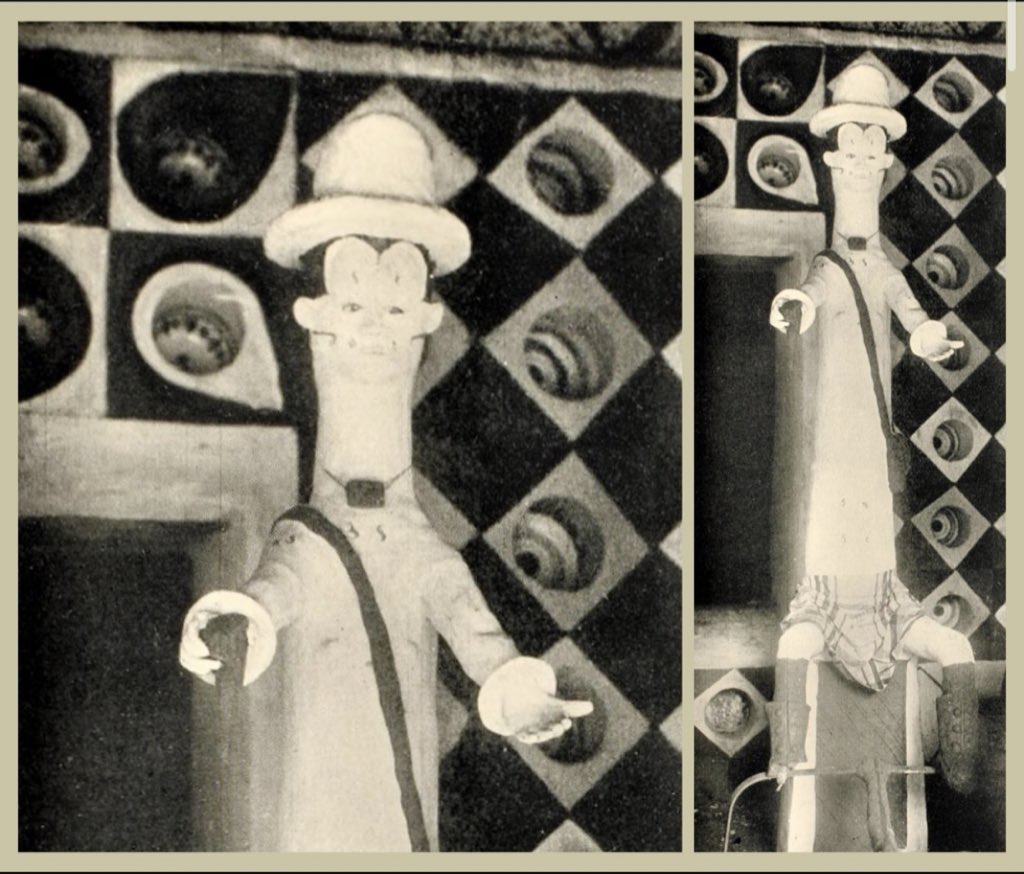
Amadioha’s influence shines through in Igbo art and oral traditions. Masks and sculptures depicting thunderbolts or rams are common in rituals, while proverbs and stories celebrate his power and justice. A common Igbo proverb, “Amadioha does not strike the innocent,” reinforces his role as a fair arbiter. These cultural expressions keep Amadioha alive in Igbo consciousness, even today.
Amadioha in the Colonial and Post-Colonial Era
The arrival of British colonial rule in the 19th century and the spread of Christianity challenged traditional Igbo religion, including the worship of Amadioha. Missionaries often portrayed indigenous deities as pagan, but Amadioha’s influence endured. Many Igbo blended Christian beliefs with traditional practices, continuing to swear oaths by Amadioha to assert their innocence.
The Aba Women’s Riot of 1929, a powerful anti-colonial uprising led by Igbo women, indirectly reflects Amadioha’s influence. While not directly tied to the deity, the women’s invocation of spiritual authority to challenge colonial injustices echoes Amadioha’s role as a protector of communal rights. In the post-colonial era, the Biafran War (1967–1970) tested Igbo resilience, yet Amadioha remained a symbol of cultural identity and strength.
Today, Amadioha’s presence is felt in everyday Igbo language. Phrases like “Thunder fire you!” or “Amadioha gbabukwe gi there!” are common, often used playfully. In Nollywood films, Amadioha is portrayed as a fearsome figure, with lightning strikes symbolising his wrath, though his benevolent aspects are sometimes overlooked. These portrayals keep his image alive in popular culture.
Amadioha in Global and Modern Contexts
The Igbo diaspora has carried Amadioha’s legacy worldwide, with communities in the United States, Europe, and beyond maintaining elements of Odinani. Online platforms, such as Igbo Cybershrine, provide digital spaces for learning about and honouring Amadioha, ensuring his relevance in the digital age. Social media posts on X celebrate his role as a symbol of Igbo identity and justice, keeping his story alive for new generations.
Amadioha also appears in modern Nigerian music and literature. Artist Victony references him in his work, blending traditional spirituality with contemporary culture. Playwright Esiaba Irobi incorporates Amadioha in his dramas, exploring themes of justice and cultural reclamation. These artistic expressions bridge ancient beliefs with modern sensibilities, showcasing Amadioha’s adaptability.
Comparative Perspectives: Amadioha and Other Thunder Deities
Amadioha shares similarities with other African thunder deities, like Shango in Yoruba religion and Hevioso in Fon cosmology. Like Amadioha, these deities are tied to justice, natural forces, and social order. However, Amadioha’s focus on communal will and egalitarianism reflects the Igbo’s decentralised social structure, unlike Shango’s association with royal authority.
Globally, Amadioha can be compared to thunder gods like Thor in Norse mythology or Zeus in Greek mythology, who also wield lightning as a symbol of divine power. Yet, Amadioha’s role as a community-oriented deity underscores the unique social dynamics of Igbo culture, making him a distinctive figure in global mythology.
Challenges and Preservation of Amadioha’s Legacy
The worship of Amadioha faces challenges in the modern era. Urbanisation, globalisation, and the dominance of Christianity have reduced the number of active shrines and traditional practitioners. However, efforts to preserve Igbo cultural heritage are growing. Cultural festivals, like the New Yam Festival, continue to honour traditional deities, while academic studies and online platforms raise awareness about Odinani.
The Igbo Renaissance Movement, a cultural revival initiative, seeks to document and promote traditional practices, including Amadioha’s worship. These efforts ensure that Amadioha remains a vital part of Igbo culture, even as the world changes.
Amadioha is more than just a god of thunder—he is a deep part of the Igbo people’s story, culture, and strength. His presence reminds the Igbo and the world that justice, community, and tradition still matter.
As the world moves forward, remembering gods like Amadioha helps us stay connected to where we come from. His story is not just history—it is a living part of Igbo identity that still speaks to us today.
Sources and references
- Achebe, C. (1958). Things fall apart . Heinemann.
- Diala, I. (2002). Ritual and mythological recuperation in the drama of Esiaba Irobi. Research in African Literatures, 33 (4), 101–104.
- Iroegbu, P. (2010). Igbo-Okija oracles and shrines: Development and cultural justice . AuthorHouse.
- Iwu, M. M. (2014). Handbook of African medicinal plants (2nd ed.). CRC Press.
- Olupona, J. K. (2011). City of 201 gods: Ilé-Ifè in time, space, and the imagination . University of California Press.
- Oriji, J. N. (2011). Sacred authority in Igbo society . University Press of America.
- Ubakamma, I. (2024, August 31). Amadioha: The Igbo god of thunder and lightning. Okwuid .
- Uchendu, V. C. (1965). The Igbo of southeast Nigeria . Holt, Rinehart and Winston.
Cite this article
Discussion
Sign in to join the discussion
Comments are checked by an editor before they appear. Leave a source or a correction and it is read first.
Continue reading
Related histories
 Cultural HeritageEleven Days of Nwafor Ogidi: Inside the Festival Keeping an Old Igbo Tradition AliveRead history →
 Cultural HeritageIli Ji Nkpor Obododike: The Indigenous Agricultural Ritual CycleRead history →
 Cultural HeritageMusic and Drum Traditions: Tracing the “Igbo Drum” in the AmericasRead history →
No comments yet
Nothing has been approved on this record yet. Comments are checked by an editor before they appear, so one written now shows on this page after that check.