 Ozikoro
 Cultural Heritage · Published history
Aro and Alliances with Warrior Groups (e.g., Abam, Ohafia, Edda)
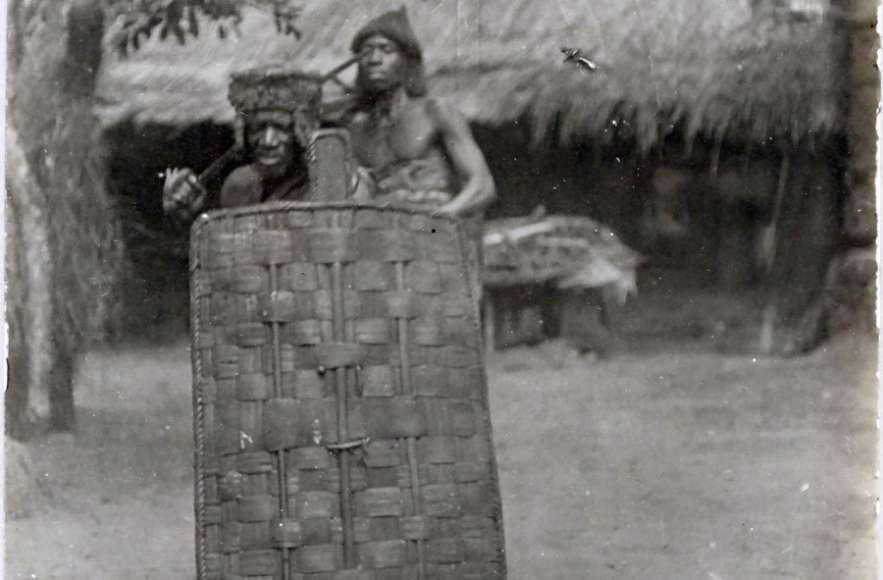
The history of pre-colonial Southeastern Nigeria is often defined by the sophisticated political and economic hegemony of the Aro Confederacy. However, the Aro people were famously not a military society; they were “mercantile diplomats and ritual specialists.” To maintain their sprawling trade network and enforce the “spiritual decrees” of the Ibin Ukpabi (Long Juju) oracle, the Aro developed a complex system of military subcontracting. This was achieved through strategic “blood pacts and alliances” with the formidable warrior clans of the Cross River Igbo sub-groups, most notably the Abam, Ohafia, and Edda. This symbiotic relationship created a “formidable military-industrial complex” where Aro intelligence and wealth were married to the “martial prowess” of the warriors. This article explores the nature of these alliances, the cultural motivations of the warrior groups, and the tactical execution of their joint expeditions that reshaped the Cross-Niger region.
The written record

Photo credit: Aro Newsonline
Historical context
The Symbiotic Nature of the Aro-Warrior Pact
The partnership between the Aro and the warrior groups was rooted in “mutual necessity” rather than a master-servant relationship;
- The Aro as Strategic Architects: The Aro functioned as the “intelligence branch” of the alliance. They identified recalcitrant communities that blocked trade routes or refused to pay tributes to the oracle. The Aro provided the “logistics, funding, and direction” for military interventions.
- The Warriors as Kinetic Enforcers: Groups like the Abam and Ohafia provided the “physical force.” They were not mercenaries in the modern sense; they did not usually fight for pay in currency, but for “prestige, social titles, and heads” the ultimate currency of their warrior cultures.
- Blood Pacts (Igbandu): To ensure loyalty and prevent the warriors from turning on their sponsors, the Aro utilized the Igbandu ritual. This “sacred blood oath” created a spiritual kinship between the Aro agents and the warrior leaders, making betrayal a “cosmic offense” punishable by the deities.
The Cultural Engine of the Alliances: The Quest for “Ikperikpe”
To understand why groups like the Ohafia and Edda were so willing to participate in Aro wars, one must examine their “internal social structures”;
- The Headhunting Tradition: In Ohafia and Abam societies, manhood was “validated through combat.” A young man could not fully transition into the higher age-grades or participate in certain “warrior dances” (Ikperikpe) unless he had brought home a “human trophy” from a legitimate battle.
- Aro Expeditions as Rites of Passage: The Aro provided the “theaters of war” necessary for these young men to prove their valor. An Aro request for a “strike force” was often seen as an opportunity for an age-grade to “graduate into full manhood.”
- Non-Territorial Warfare: Crucially, these warrior groups were rarely interested in “occupying the lands” they conquered. Once the objective, usually the destruction of a village or the capture of slaves was achieved, the warriors returned home with their trophies, leaving the Aro to “integrate the territory” into their commercial orbit.
Tactical Execution: The “Abam Strike Force” in Action.
The military operations of the Abam, often directed by Aro guides, were characterized by “speed, stealth, and psychological warfare”:
- The Guerrilla Approach: The warriors specialized in “dawn raids.” They moved through the forest with incredible speed, often covering long distances in a single night. Their arrival was usually unannounced, leading to the “total collapse” of local defenses before they could be mobilized.
- Weaponry and Formations: While they utilized locally forged machetes and spears, the Aro facilitated their access to “European firearms” (flintlock muskets). The combination of “traditional stealth” and “modern firepower” made them the most feared infantry in the hinterland.
- Psychological Deterrent: The mere rumor that “The Abam are coming” was often enough to settle disputes in favor of the Aro. The “reputation of the warriors” acted as a powerful diplomatic tool, allowing the Aro to win many battles without firing a shot.

Photo Credit: National Commission for Museums and Monuments, Nigeria / Cultural Heritage Series.
Strategic Impact: Enforcement of the Oracle’s Will
The alliance was the primary tool used to uphold the “sanctity and authority” of the Ibin Ukpabi;
- Enforcing Judicial Decrees: When a community refused to accept the verdict of the Long Juju oracle, the Aro would “invoke the warriors.” The subsequent destruction of the village served as a “public testament” to the oracle’s power.
- Slave Supply Chain: Many of the “prisoners of war” captured during these raids were funneled into the Aro slave network. This served two purposes: it “decimated the leadership” of opposing groups and provided the Aro with the “human capital” required for their Atlantic trade partners.
- Territorial Integration: By removing local “warlords” or stubborn village heads, the Abam and Ohafia cleared the way for the establishment of “Aro settlements” (Umu-Aro), which acted as permanent trading posts.
The Internal Autonomy of the Warrior Clans
Despite their close ties to the Aro, groups like the Ohafia and Edda maintained a “fierce independence”;
- Political Structure: The warrior groups were not “subjects” of the Aro Confederacy. They were sovereign entities governed by their own “Eze Ogo” (Village heads) and age-grade councils. The alliance was a “contract between equals.”
- The Edda Distinction: While the Abam and Ohafia were the primary “offensive” partners, the Edda were often sought for their “mystical and defensive” capabilities. They were believed to possess “spiritual charms” that made them invisible or invulnerable in battle, adding a “supernatural layer” to the Aro military machine.
- Economic Benefits: Beyond trophies, the warriors received “tributes in cloth, salt, and luxury goods” from the Aro. This wealth allowed the warrior clans to develop “sophisticated material cultures” that distinguished them from their agrarian neighbors.
The British Confrontation and the End of the Military Era
The Aro-Warrior alliances remained the “supreme power” in the region until they clashed with the expanding British Empire in the late 19th century;
- Threat to Colonial Expansion: The British viewed the “Abam raids” as a barrier to “legitimate trade” and administrative control. They characterized the warriors as “savages” to justify military intervention.
- The Anglo-Aro War (1901–1902): The British launched the “Aro Expedition” specifically to break the power of the oracle and its warrior enforcers. The superior “Maxim guns and artillery” of the British eventually overcame the traditional tactics of the Ohafia and Abam.
- The Transformation of the Warrior: Following the British victory, the warrior age-grades were “forcibly demobilized.” The martial energy of these groups was redirected into “civic leadership, education, and modern entrepreneurship,” though the “Warrior Dance” remains a central part of their cultural identity today.
The Aro and Alliances with Warrior Groups (e.g., Abam, Ohafia, Edda) constitutes one of the most successful “military-mercantile partnerships” in African history. It was a system that allowed the Aro to exert “continental influence” without maintaining a standing army, and it allowed the warrior clans to fulfill their “cultural destinies” without becoming colonial conquerors. This alliance created a “unified security umbrella” across the Cross-Niger region, facilitating a level of trade integration that would have been impossible in a state of constant, uncoordinated warfare. While the “era of the headhunter” has long passed, the legacy of these alliances survives in the “daring and adventurous spirit” of the people of these regions. Understanding this history is vital to appreciating the “complex political intelligence” that governed pre-colonial Igboland, a world where the “pen of the merchant” was always protected by the “sword of the warrior.”
Sources and references
- Afigbo, A. E. (1981). “Ropes of Sand: Studies in Igbo History and Culture”. Oxford: Oxford University Press. (A critical source on the relationship between the Aro and their neighbors).
- Dike, K. O., & Ekejiuba, F. (1990). “The Aro of South-eastern Nigeria, 1650-1980: A Study of Socio-economic and Political Development”. University of Ibadan Press. (The definitive text on Aro diplomacy and military alliances).
- Isichei, E. (1976). “A History of the Igbo People”. London: Macmillan. (Detailing the martial traditions of the Ohafia and Abam).
- Nzimiro, I. (1972). “Studies in Ibo Political Systems: Chieftaincy and Politics in Four Niger States”. University of California Press.
- Ogbaa, K. (1995). “Igbo”. New York: The Rosen Publishing Group. (On the cultural rites of passage of warrior groups).
- Uka, N. (1972). “A Note on the ‘ Abam’ Warriors of South-eastern Nigeria”. Journal of the Historical Society of Nigeria.
Cite this article
Discussion
Sign in to join the discussion
Comments are checked by an editor before they appear. Leave a source or a correction and it is read first.
Continue reading
Related histories
 Cultural HeritageEleven Days of Nwafor Ogidi: Inside the Festival Keeping an Old Igbo Tradition AliveRead history →
 Cultural HeritageIli Ji Nkpor Obododike: The Indigenous Agricultural Ritual CycleRead history →
 Cultural HeritageMusic and Drum Traditions: Tracing the “Igbo Drum” in the AmericasRead history →
No comments yet
Nothing has been approved on this record yet. Comments are checked by an editor before they appear, so one written now shows on this page after that check.