 Ozikoro
Cultural Heritage · Published history
Okpogho and Okpoho: Igbo Heritage through Traditional Brass and Copper Adornments
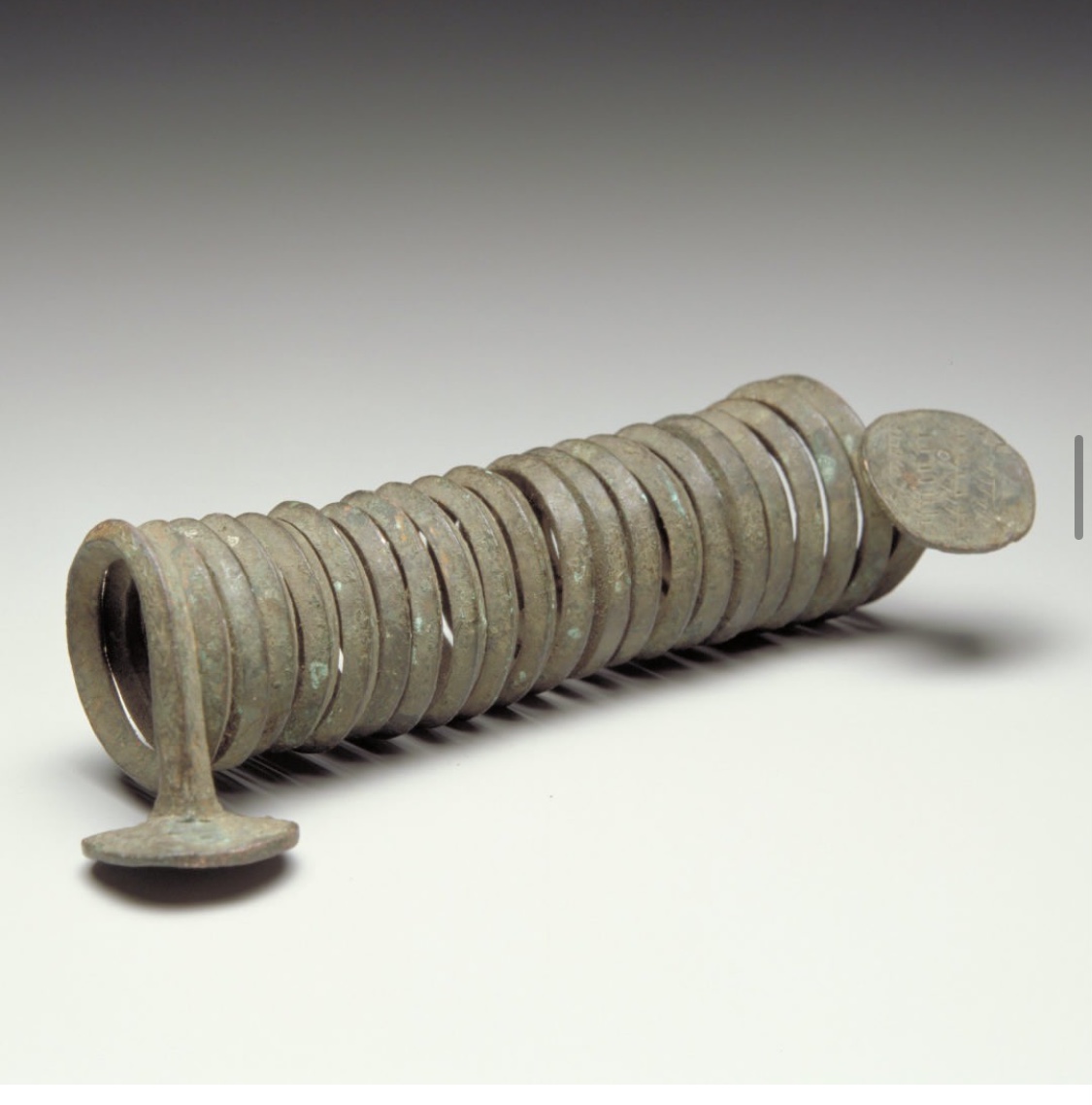
Okpoho refers to traditional brass or bronze bracelets commonly worn by the Igbo and other ethnic groups in Nigeria. These bracelets are symbols of wealth, status, and heritage.
The written record
The Igbo people of southeastern Nigeria have long used brass and copper rods, called okpogho or ikpeghe, as symbols of wealth, heritage, and social status. Traditionally, coiled brass bracelets, often referred to as okpoho or “snake manilla,” held significant cultural value as jewelry and currency. These rods were not merely decorative; they played essential roles in social rituals, including bridewealth payments, where a groom’s family would offer brass rods to the bride’s family as part of the marriage exchange, underscoring the object’s value as both an adornment and currency.
The okpoho bracelets, crafted from brass or bronze, symbolize ancestral heritage and prosperity among the Igbo, with similar usage seen in neighboring ethnic groups. The rods were widely traded throughout what is now Eastern Nigeria and held a prominent place in local economies before the British colonial administration replaced indigenous currency systems with the British West African pound in the early 20th century. These traditional forms of wealth symbolized continuity with Igbo ancestors and local identity even amidst colonial economic transformation
Historical context
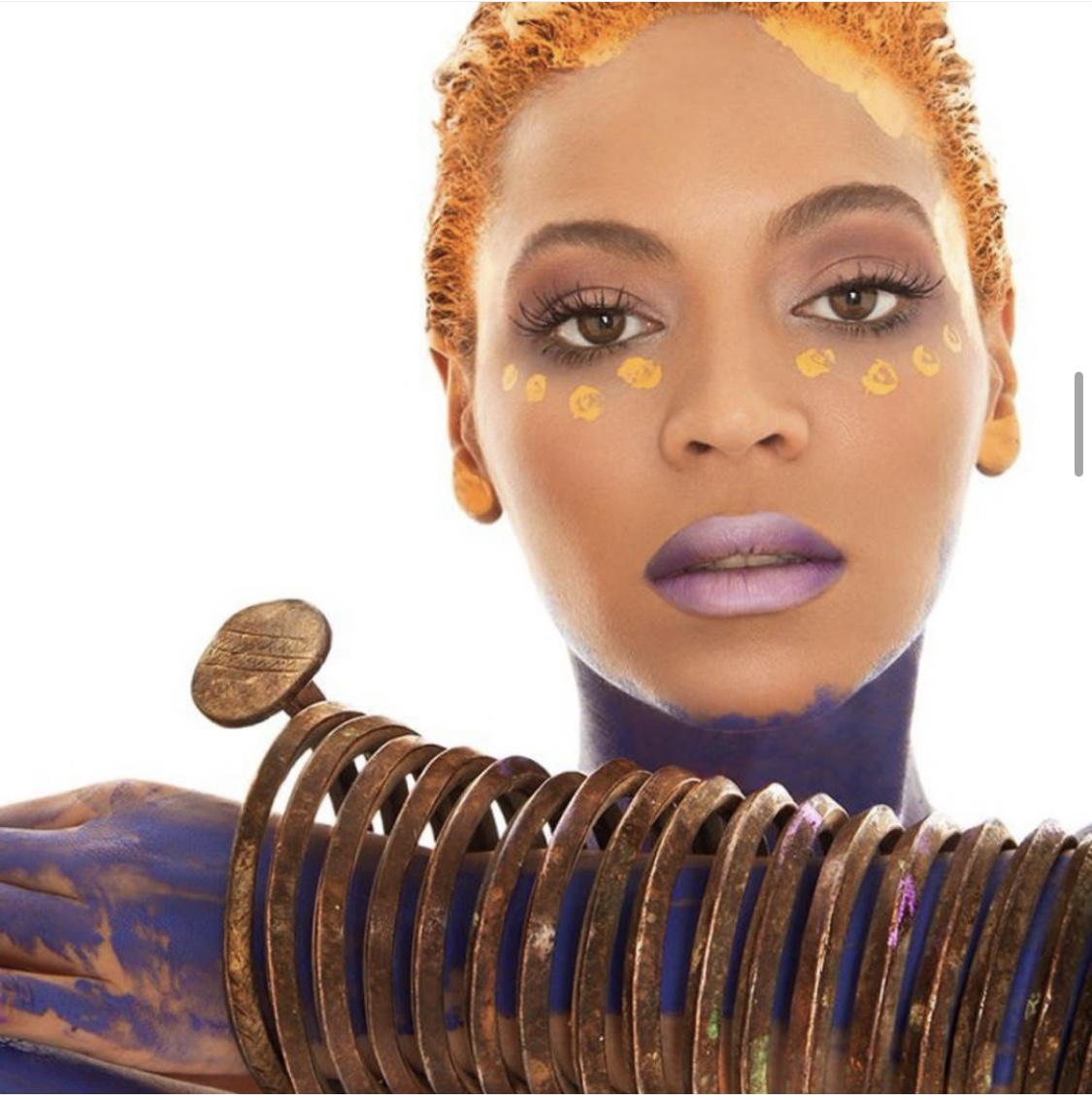
She was indeed been spotted wearing this, it reflects her ongoing interest in African culture and fashion. Beyoncé has often highlighted African elements in her work, particularly in albums like The Lion King: The Gift and through her fashion choices, which embrace African artistry and traditions.
Modern-day fashion has seen a revival of these African adornments, with figures like Beyoncé incorporating African-inspired elements into her work. Her choice to wear an okpoho-inspired bracelet in a photoshoot by Tony Duran for Flaunt Magazine in July 2013 reflects an homage to African artistry. Beyoncé’s engagement with African aesthetics, particularly in projects like The Lion King: The Gift, underscores the broader cultural significance of these traditional items, connecting global audiences to African heritage through fashion and music.
The historical and cultural importance of these brass and copper ornaments continues to resonate today, with collections like those at the Minneapolis Institute of Art preserving these artifacts as a testament to Igbo craftsmanship and traditional African currencies.
Sources and references
- Duran, T. (2013, July). Beyoncé for Flaunt Magazine. Flaunt Magazine.
- Minneapolis Institute of Art. (n.d.). Coiled copper or “snake manilla” currency from the Igbo area.
Cite this article
Discussion
Sign in to join the discussion
Comments are checked by an editor before they appear. Leave a source or a correction and it is read first.
Continue reading
Related histories
 Cultural HeritageEleven Days of Nwafor Ogidi: Inside the Festival Keeping an Old Igbo Tradition AliveRead history →
 Cultural HeritageIli Ji Nkpor Obododike: The Indigenous Agricultural Ritual CycleRead history →
 Cultural HeritageMusic and Drum Traditions: Tracing the “Igbo Drum” in the AmericasRead history →
No comments yet
Nothing has been approved on this record yet. Comments are checked by an editor before they appear, so one written now shows on this page after that check.