 Ozikoro
Biography · Published history
Bright Chimezie Ironmuo: Championing Igbo Culture Through Highlife
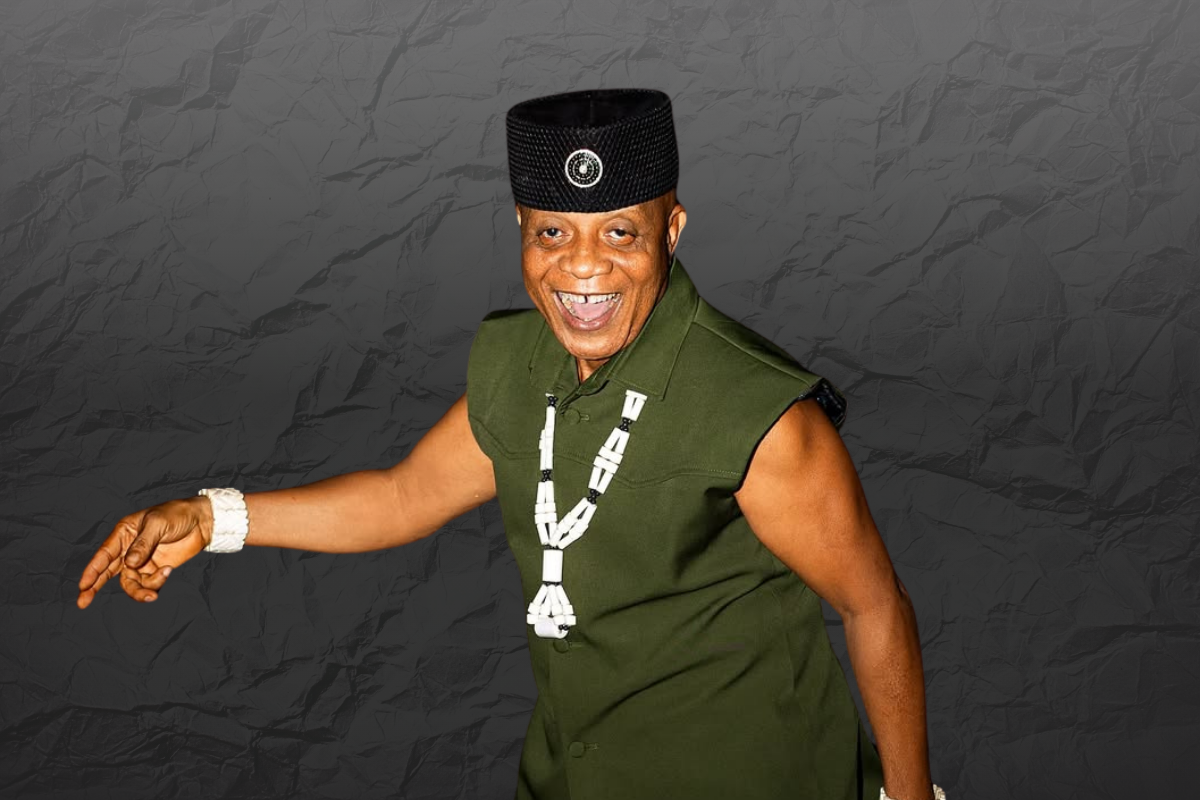
Bright Chimezie Ironmuo, popularly known as “Okoro Junior,” is one of those musicians who didn’t just make music, he made a movement. His style, Zigima Sound, became a cultural signature of Igbo identity, humor, dance, and social commentary. Even today, Bright Chimezie is celebrated not only for entertainment but for preserving the values, language, and lifestyle of the Igbo people.
The written record
Historical context
Early Life and the Birth of Zigima Sound
Bright Chimezie was born in Abia State during a period when highlife was already shaping Southeastern Nigeria. But he didn’t want to sound like everyone else. He created what he called “Zigima Sound,” a fusion of highlife, traditional percussion, and witty social storytelling.
Bright Chimezie (born October 1, 1960) is a renowned Nigerian musician, celebrated for pioneering the unique musical style known as Zigima Sound, which blends traditional Nigerian music, Igbo highlife, and socially conscious lyrics delivered with humor and wit. He was born into the family of Reverend Ezekiel Iromuoh and Mrs. Iromuoh in Ekeoba village, Umuahia, the capital city of Abia State, southeastern Nigeria.
Bright’s musical journey began at the age of 7 when he joined his clan’s cultural group, where he eventually became the leader. He also sang in the Methodist Church Ekeoba Choir, performing the alto part and participating in various performances and recordings, which honed his musical abilities at an early age.
Despite the challenges posed by the Nigerian Civil War, Bright completed his primary education at Umuhu Central School, Umuahia, and later attended Ohuhu Community Secondary School, Amaogwugwu, where he became the leader of the school band. His passion for music saw him collaborating with other popular Eastern music groups between 1974 and 1979. He made his first television appearance in 1976 on an NTA show, further solidifying his reputation as a young and talented performer.
After completing his secondary education, Bright joined the Modernized Odumodu Cultural Dance Group, which specialized in storytelling through music. This group gained immense popularity across Eastern Nigeria but disbanded in 1979. He later joined the Nigerian Customs and Excise Dance Band, touring the country and showcasing his musical talent.
In 1984, Bright Chimezie left the Customs and Excise Dance Band to form Zigima Sound, a movement that combined African traditional music with modern rhythms and dance steps. The term Zigima is derived from the Igbo phrase “o zi gi ma”, meaning “the message that you already know.” This unique sound resonated with audiences across Nigeria and beyond.
Zigima music became his trademark. With energetic dance steps, proverbs, and humorous skits inside his songs, Chimezie carved out a place that no one else could fill.
Music as Cultural Storytelling
One thing about Bright Chimezie is that his music always “talked.”
He used his songs to address issues like moral decay, corruption, respect for elders, and everyday struggles of ordinary people. Tracks like “African Style” and “Because of English” made people dance and laugh, but they also carried messages.
He often blended jokes with Igbo idioms, making his music feel like a lively conversation in a village square. Through this, he kept Igbo wisdom alive in a modern world.
Bright Chimezie, also known as Okoro Junior, introduced his Zigima Movement to the music scene in 1984 with his debut album, “Respect Africa.” The album included hits such as Respect Africa, Lekwe Uwa M, Liza, and You Can Never Hurry the Sunrise. His subsequent album, “Life of Yesterday,” released in 1987, featured memorable tracks like No True Love (Where is Love?), Nne M Oma (a tribute to his mother), and Message Boy. Over the course of his career, Bright Chimezie released eight studio albums, cementing his place as a pioneer of contemporary African music.
Bright’s music addresses themes such as colonialism, economic exploitation, cultural identity, and societal values, often infused with humor and relatable messages. His notable tracks, including “Because of English,” “Ube Nwanne,” and “Respect Africa,” celebrate African culture while critiquing societal ills.
Bright Chimezie’s electrifying stage performances have taken him across the globe. He has performed in countries such as London, Austria, Brazil, and others. One of his most notable performances was representing Nigeria at the OPEC Cultural Festival in Caracas, Venezuela, where he showcased the rich culture and music of his homeland.
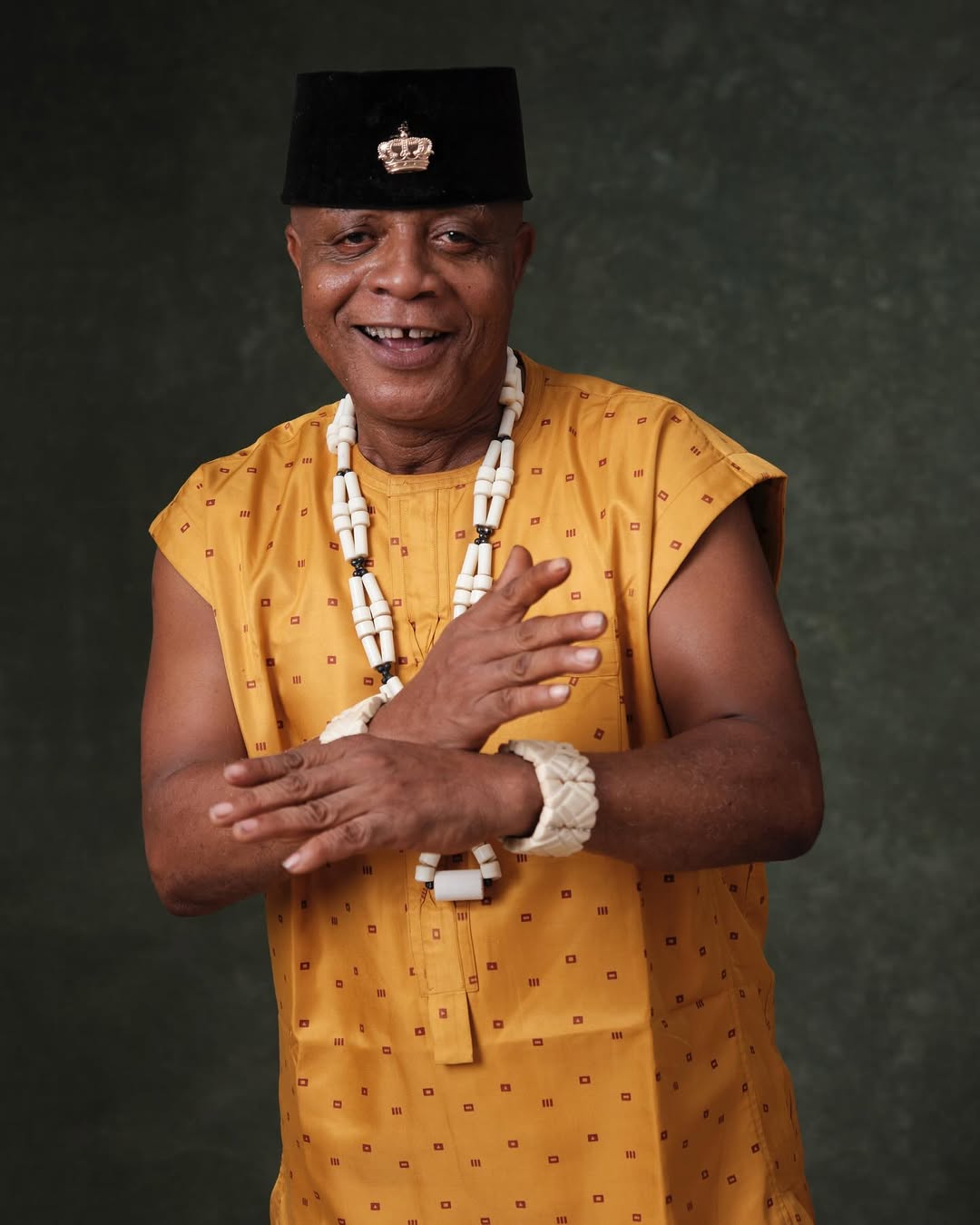
Bright Chimezie wasn’t just a musician; he was a cultural icon. His dressing, flowing senator tops, beads, walking sticks, and “village-boy swagger” told a story of pride in one’s roots.
Even the way he danced, bending, twisting, and swinging his walking stick, became a trademark. People across Nigeria started imitating his moves, making Zigima not just music but a lifestyle.
One of Bright Chimezie’s strengths has always been humor. But behind the jokes, there is always a sharp message.
In “Because of English,” he mocks the habit of Nigerians abandoning their native languages. In “Ube Nwannegodi,” he talks about greed and betrayal. These songs became like mirrors that showed society its flaws, but gently, with a smile.
Legacy and Cultural Preservation
The legacy of Bright Chimezie is simple and powerful: he made Igbo culture cool.
He proved that tradition doesn’t have to be boring or outdated. Through music, fashion, humor, and dance, he reminded young people to embrace their identity.
Bright Chimezie Ironmuo is more than a highlife musician. He is a cultural ambassador whose creativity kept Igbo traditions alive in a fun and relatable way. His Zigima Sound continues to echo across generations, reminding us that culture is not just something to remember, it’s something to live.
Sources and references
- Chimezie, B. (1985). African style [Album]. Nigeria: Premier Records.
- Chimezie, B. (1986). Because of English [Song]. Zigima Records.
- Ubah, C. N. (2010). Highlife music and cultural identity in Southeastern Nigeria. African Music Journal, 38(1), 44–59.
- Nwankwo, I. (2015). “Zigima Sound and Igbo cultural expression.” West African Melody Magazine, July 2015.
Cite this article
Discussion
Sign in to join the discussion
Comments are checked by an editor before they appear. Leave a source or a correction and it is read first.
Continue reading
No comments yet
Nothing has been approved on this record yet. Comments are checked by an editor before they appear, so one written now shows on this page after that check.