 Ozikoro
Biography · Published history
Captain Muddy Ibe: Echoes of Igbo Music in Nigerian Highlife
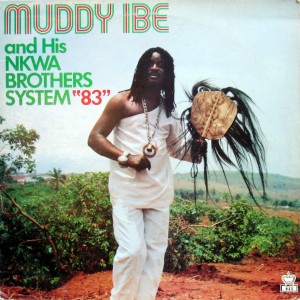
Captain Muddy Ibe is one of those musicians whose name might not ring as loudly as Osadebe or Oliver De Coque, but for real highlife lovers especially people who grew up with Eastern Nigerian music, his voice is unforgettable. With his group, Muddy Ibe and His Nkwa Brothers International, he carved out a unique space in Igbo highlife, blending traditional rhythms with modern guitar melodies.
The written record
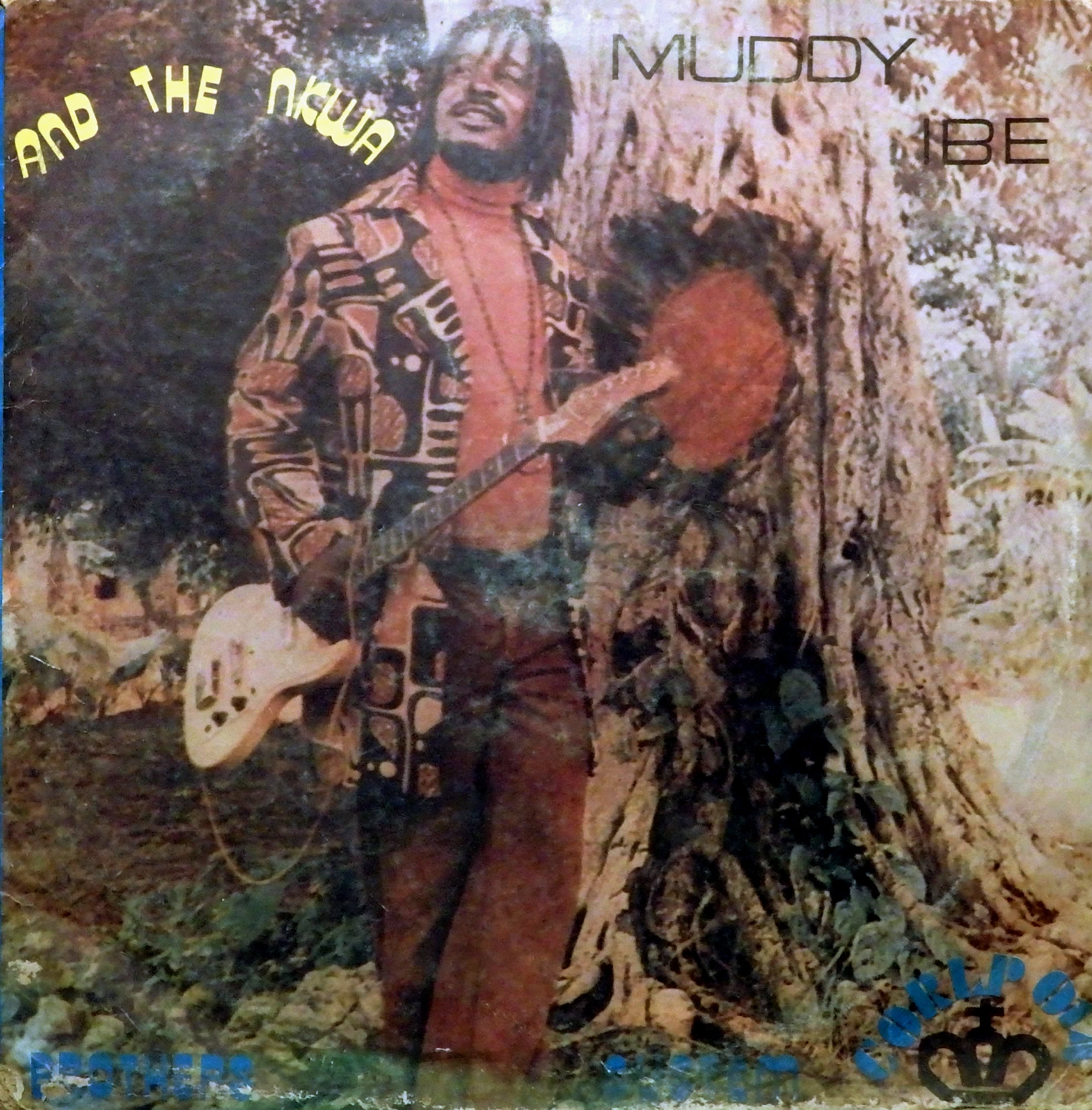
Muddy Ibe and his Nkwa Brothers System
Nkwa, Cordos Records 1981. Photo Credit: Globalgroovers.com
His music was emotional, thoughtful, and deeply rooted in Igbo culture, which is why many older listeners still play his records with pride today.
Historical context
Early Life and Musical Roots
Muddy Ibe came from the Igbo-speaking region of Eastern Nigeria, where music is a natural part of storytelling, community life, and celebration. Being exposed to local rhythms, drums, and chants from childhood shaped his style.
Like many highlife musicians of his generation, he started with live performances, gradually building a devoted fan base. His unique voice and calm delivery quickly set him apart. Captain Muddy Ibe was born on a sunny day in the southeastern region of Nigeria, in the vibrant town of 1q Umuahia. From an early age, he displayed a music talent, often entertaining his friends and family with his melodious voice and rhythmic beats. As he grew older, his passion for music only intensified, and he began to dream of making a name for himself in the industry. Muddy’s style of music was heavily influenced by the traditional highlife music of the Igbo people, a genre known for its use of guitar, horns, and percussion instruments. He spent countless hours listening to the greats of highlife music, including the legendary Chief Stephen Osita Osadebe, and honing his craft.
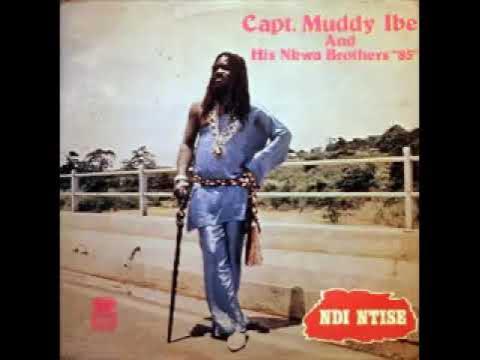
In the early 2000s, Muddy finally got his big break when he released his debut album, “Ndi Kwe Na Ndi Ekwena.” The album was an instant hit, and Muddy quickly became one of the most popular highlife musicians in Nigeria. His unique blend of traditional Igbo music and modern beats won over fans nationwide, and he soon became a household name. Over the years, Muddy Ibe and his Nkwa Brothers continued to release hit after hit, including “Onye Ilom Agbazina,” “Ndi Ahu Egho Erika,” “Akala Aka,” “Ndi Ntise,” “Aga Eni Na Ndu,” “Omerum Mere Dike,” and “Mmadu Meru Ife Na Ese Okwu”, ”Ogalanya Bu Omume Omume,” ”Mgbe Ana Echeji Ego.” His music was characterised by his soulful voice, catchy melodies, and uplifting lyrics, which often touched on themes of love, unity, and hope.
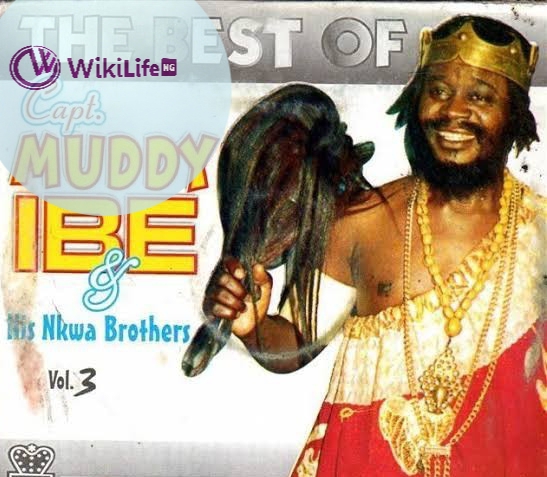
In addition to his successful music career, Muddy was also known for his philanthropic work. He was a strong advocate for education and youth empowerment, frequently using his platform to raise awareness about social issues affecting his community. Captain Muddy Ibe’s music touched on topics common in Igbo highlife, but he added a personal, emotional flair. His themes included love and heartbreak, life’s struggles and uncertainties, the importance of humility, the danger of envy, respect for tradition and family bonds and brotherhood
He often sang like he was telling a personal story, soft, expressive, and relatable. His guitarists also played slow, thoughtful patterns that matched his lyrical tone. Captain Muddy Ibe stands among the quiet but powerful voices that shaped Igbo highlife. His soothing vocals, traditional Nkwa influences, and deep storytelling continue to inspire listeners who appreciate genuine, heartfelt cultural music. He may not be the loudest star in the highlife galaxy, but he shines brightly for those who know the value of true Igbo musical heritage.
Despite his success, Muddy remained humble and grounded, always taking the time to connect with his fans and give back to his community. His music continues to inspire and uplift people across Nigeria and beyond, and he remains a beloved icon of Igbo highlife music.
Sources and references
- Eze, C. (2014). The evolution of Igbo highlife music. Enugu: Sunrise Publishers.
- Okafor, C. (2012). The legacy of highlife music in Nigeria. Lagos: West African Press.
- Uroh, F. (2020). “Nkwa tradition and contemporary Igbo musical identity.” Journal of African Cultural Music, 9(1), 51–67.
Cite this article
Discussion
Sign in to join the discussion
Comments are checked by an editor before they appear. Leave a source or a correction and it is read first.
Continue reading
No comments yet
Nothing has been approved on this record yet. Comments are checked by an editor before they appear, so one written now shows on this page after that check.