 Ozikoro
Biography · Published history
Chief Dr. Emeka Morocco Maduka: The King of Ekpili Music
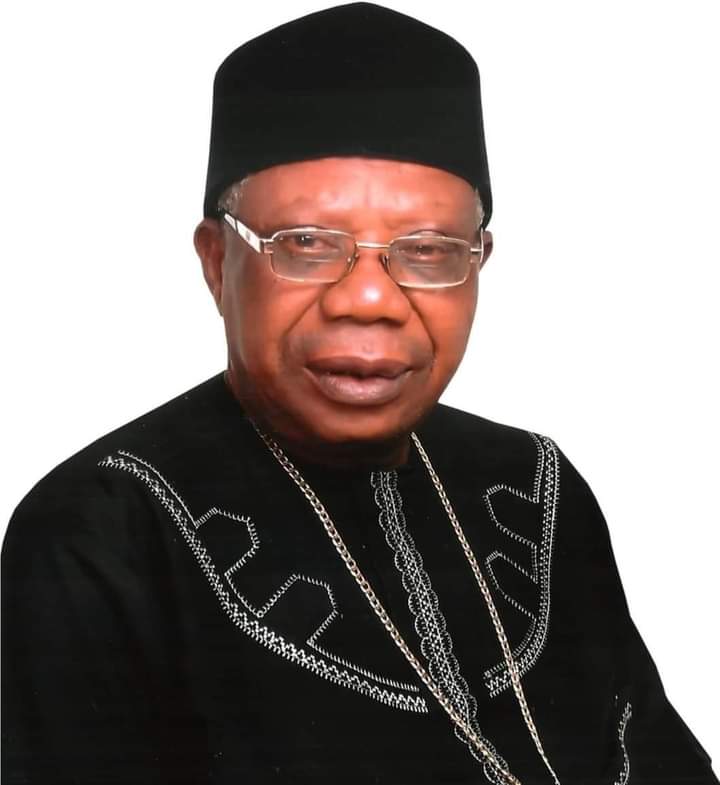
Chief Dr. Emeka Morocco, fondly known as “Eze Ekpili” is one of those musicians whose voice feels like home. He wasn’t just a performer; he was a guardian of tradition, a storyteller, and a spiritual presence in Igbo music. His unique mastery of Ekpili, a fast-paced traditional highlife rooted deeply in Anambra culture, earned him respect across generations.
The written record

Historical context
Early Life and the Rise of a Legend
Born in Anambra State, Morocco Maduka grew up surrounded by traditional rhythms, palm wine gatherings, and ancestral chants. From a young age, he felt drawn to music that carried “the spirit of the land.”
He was born on April 7, 1945, Ukwulu, Dunukofia Local Government Area of Anambra State, Nigeria, which is also his ancestral hometown.
He didn’t chase commercial fame. Instead, he embraced his calling, becoming a custodian of Ekpili, a genre built on quick drum patterns, melodic chanting, and deep proverbs. Over the years, his voice became instantly recognizable: warm, prophetic, and commanding.
Career
He embarked on his music journey at the tender age of 12. His father was initially opposed to his musical pursuits, fearing it would lead to a life of delinquency. Instead, his father had envisioned a more conventional path for him, aspiring for him to become a doctor or a lawyer.
Ekpili music isn’t just ordinary highlife. It is a cultural archive. Through it, Morocco Maduka taught lessons about morality, human behavior, community values, and destiny. He often said that Ekpili was not only for entertainment but also for “guiding people on the right path.”
His songs blended storytelling, ancestral wisdom, humor, and spiritual undertones. The talking drum, ogene, and flute carried the melody while his voice carried the message.
Chief Morocco Maduka’s songs were full of truth. Whether he was praising a good character, warning against betrayal, or celebrating hardworking people, he always spoke from experience.
Popular themes in his songs include:
Respect and humility
The importance of good character (“akara mmadụ”)
Consequences of envy and gossip
Celebration of culture and community unity
Mortality and destiny
Songs like “Akwa Uwa” and “Onye Ji Onye N’ani” became classics because they didn’t just entertain, they taught.
With a career spanning over six decades, Chief Emeka Morocco Maduka released his first album, “Aya Nigeria” (Nigerian War), in 1971, and went on to produce an impressive 120 albums throughout his career. He was still actively making music until his passing, with plans to release a new album and even performed at a historic event to mark his 60 years on stage in 2020.
Legacy and Influence on Igbo Cultural Preservation
Chief Dr. Emeka Morocco Maduka’s contribution goes beyond music. He preserved Ekpili for future generations. At a time when many artists turned to commercial pop, he stayed rooted in tradition.
His influence can be heard in today’s highlife and ogene-inspired musicians. Cultural associations across the Southeast still honor his work, and many young artists see him as a model for how to protect indigenous music.
His death marked the end of an era, but his songs continue to speak, loudly, clearly, and proudly about the richness of Igbo heritage.
Chief Dr. Emeka Morocco Maduka was truly “The King of Ekpili Music.”
Through his powerful voice, deep messages, and love for tradition, he ensured that Ekpili didn’t fade into history. Instead, he made it a living cultural treasure.
His music remains a reminder that identity, wisdom, and heritage should always be carried forward, one rhythm at a time.
Sources and references
- Maduka, E. M. (1995). Akwa uwa [Album]. Anambra: Ekpili Heritage Records.
- Maduka, E. M. (2001). Onye ji onye n’ani [Song]. Ekpili Heritage Records.
- Okoye, B. C. (2014). Igbo traditional music and the preservation of cultural identity. African Music Review, 12(2), 58–73.
- Udeh, J. (2017). “The legacy of Morocco Maduka in Ekpili music.” West African Melody Magazine, Ju ne 2017.
- https://en.wikipedia.org/wiki/Morocco_Maduka.
Cite this article
Discussion
Sign in to join the discussion
Comments are checked by an editor before they appear. Leave a source or a correction and it is read first.
Continue reading

No comments yet
Nothing has been approved on this record yet. Comments are checked by an editor before they appear, so one written now shows on this page after that check.