 Ozikoro
 Biography · Published history
Chief Louis Mbanefo: The Jurist, Statesman, and Pillar of Igbo Intellectual History
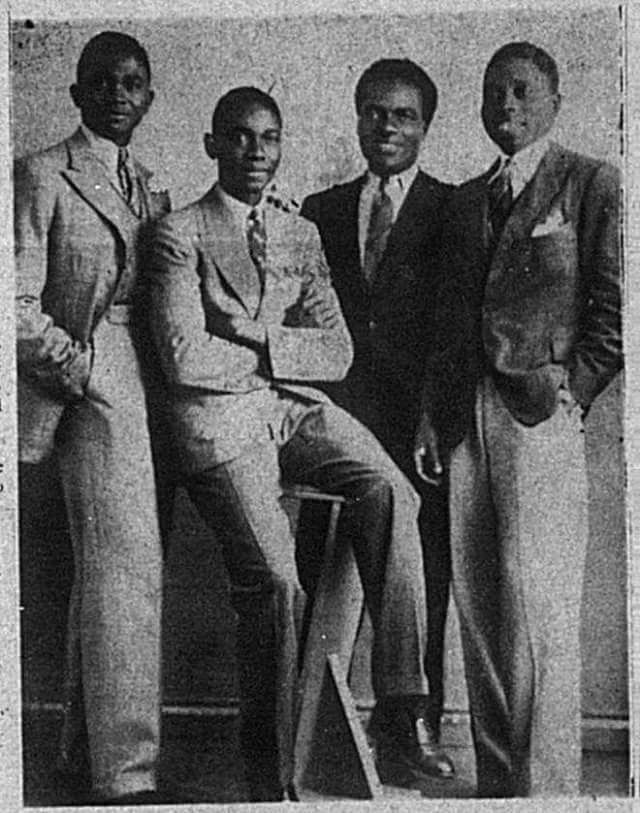
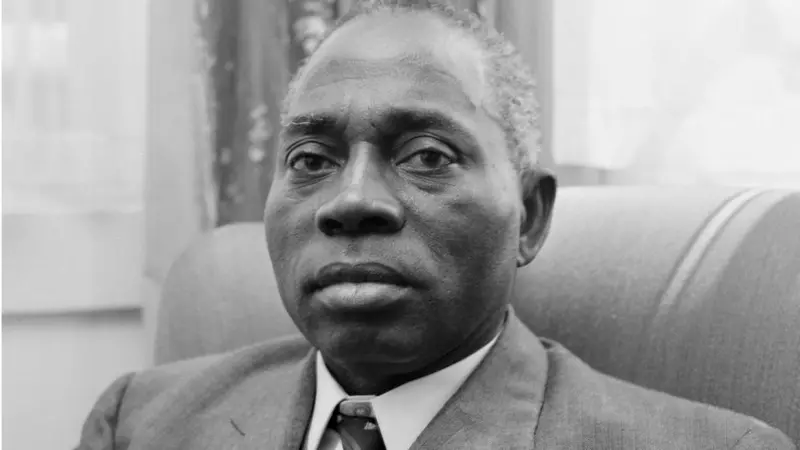
Chief Louis Nwachukwu Mbanefo remains one of the most distinguished legal minds in Nigerian history. Known as “the first Nigerian to be appointed a High Court Judge” and a central figure in the Biafran government, Mbanefo’s legacy spans law, politics, diplomacy, and cultural leadership. His life illustrates the development of an African legal elite during late colonialism, the struggle for intellectual dignity in post-colonial Nigeria, and the resilience of Igbo leadership during the Nigerian Civil War.
The written record
Historical context
Early Life and Education
Louis Mbanefo was born on 13 May 1911 in Onitsha, into a prominent Christian and aristocratic family. His parents valued education, allowing Mbanefo access to the highest standards of schooling available to Africans of his time. He attended St. Mary’s School, Onitsha, before proceeding to grammar school in Lagos and later to the United Kingdom.
In 1932, Mbanefo entered the University of Cambridge, studying Law at University College. He was later called to the Bar at the Inner Temple in London in 1937. His academic achievements were remarkable, especially at a time when very few West Africans had access to British elite legal training.
Upon returning to Nigeria, he became one of the earliest Igbo and Nigerian lawyers to establish a successful private practice, earning recognition for his intellectual depth, advocacy skills, and ethical discipline.
Judicial Career and Legal Achievements
By 1952, Mbanefo was appointed as a Judge of the High Court of Eastern Nigeria, making him the first Nigerian to hold that position, a milestone frequently cited in Nigerian judicial history. His judgments were admired for their clarity, firm grounding in legal principles, and sense of justice.
Mbanefo was also deeply involved in Nigeria’s early constitutional development. He participated in debates about federalism, minority rights, and the legal structure of the newly emerging state. His contributions positioned him among the African jurists who shaped the transition from colonial rule to self-government.
In recognition of his contributions, he received the national honor of Commander of the Order of the British Empire (CBE) before independence. After independence, he was regarded as one of the senior judicial authorities consulted by regional and federal governments.
Political Influence and Leadership
Although primarily a legal figure, Mbanefo played an important political role in the Eastern Region. He served in advisory capacities and was close to many political leaders, including Dr. Nnamdi Azikiwe and Dr. Michael Okpara.
In his home city of Onitsha, he was conferred the prestigious chieftaincy title “Odu of Onitsha”, symbolizing his status as a cultural leader and custodian of tradition. Mbanefo believed in balancing modernization with respect for indigenous institutions and often advocated for Igbo cultural pride within the Nigerian federation.
Role in the Biafran Government
Mbanefo’s most historically significant political role came during the Nigerian Civil War (1967–1970). When the Eastern Region declared independence as the Republic of Biafra, he served as the Chief Justice of Biafra. In this capacity, he oversaw the legal system, maintained judicial order during wartime, and advised the Head of State, Chukwuemeka Odumegwu Ojukwu.
He also served as Biafra’s representative in international diplomatic missions, including at the Organization of African Unity (OAU). His articulate speeches, legal expertise, and calm demeanor helped frame Biafra’s struggle not merely as a rebellion but as a humanitarian fight for survival.
Scholars have credited Mbanefo with maintaining a functioning judiciary despite the pressures of war, demonstrating the importance of law even in extreme circumstances.
Post-War Years and Reconciliation Efforts
After Biafra’s surrender in 1970, many Biafran officials faced persecution, but Mbanefo was treated with relative leniency due to his legal stature and reputation for integrity. He returned quietly to private life, practicing law and mentoring younger lawyers.
He also participated in reconciliation efforts between the Igbo community and the Nigerian state. While he never renounced his belief in justice for the Eastern Region, he emphasized national unity and rebuilding. Many Eastern Nigerian elites credit him for helping restore Igbo confidence in the post-war years.
Chief Louis Mbanefo’s legacy spans multiple domains:
1. Legal Legacy
He paved the way for generations of Nigerian judges and lawyers. His early appointment to the High Court proved that Africans could excel at the highest levels of jurisprudence. Many of his judgments remain referenced in Nigerian legal literature for their clarity and reasoning.
2. Intellectual Leadership
Mbanefo embodied the ideal of the African intellectual, combining Western education with indigenous grounding. His approach encouraged later Igbo scholars, lawyers, and administrators to adopt a similar model.
3. Cultural Legacy
As “Odu of Onitsha,” he upheld Igbo cultural traditions while supporting modernization. His life stands as a reminder that African elite identity, far from erasing tradition, can reinforce it.
4. Political and Historical Influence
His diplomatic and judicial efforts during the Biafran War made him a key historical figure. While Ojukwu is often remembered as the political face of Biafra, Mbanefo was the legal and moral backbone of the movement.
Chief Louis Nwachukwu Mbanefo remains an important figure in Nigerian and Igbo history, a jurist, intellectual, statesman, and cultural leader whose life reflects both the promise and the challenges of Nigeria’s journey through colonialism, independence, and civil war. His contributions to law, governance, and cultural preservation ensure that his legacy continues to inspire scholars, lawyers, and leaders across Africa.
Sources and references
- Afigbo, A. E. (1981). Ropes of sand: Studies in Igbo history and culture. University Press.
- Isichei, E. (1976). A history of the Igbo people. Macmillan.
- Njoku, J. (1990). The advent of modern legal elites in Eastern Nigeria. African Studies Review, 33(3), 55–72.
- Ojiako, J. (1981). 13 years of military rule. Daily Times Publications.
- Uwechue, R. (Ed.). (1971). Reflections on the Nigerian Civil War: Facing the future. African Books Centre.
Cite this article
Discussion
Sign in to join the discussion
Comments are checked by an editor before they appear. Leave a source or a correction and it is read first.
Continue reading
No comments yet
Nothing has been approved on this record yet. Comments are checked by an editor before they appear, so one written now shows on this page after that check.