 Ozikoro
 Biography · Published history
Chief Mary Nzimiro and the Legacy of Trading Igbo Women
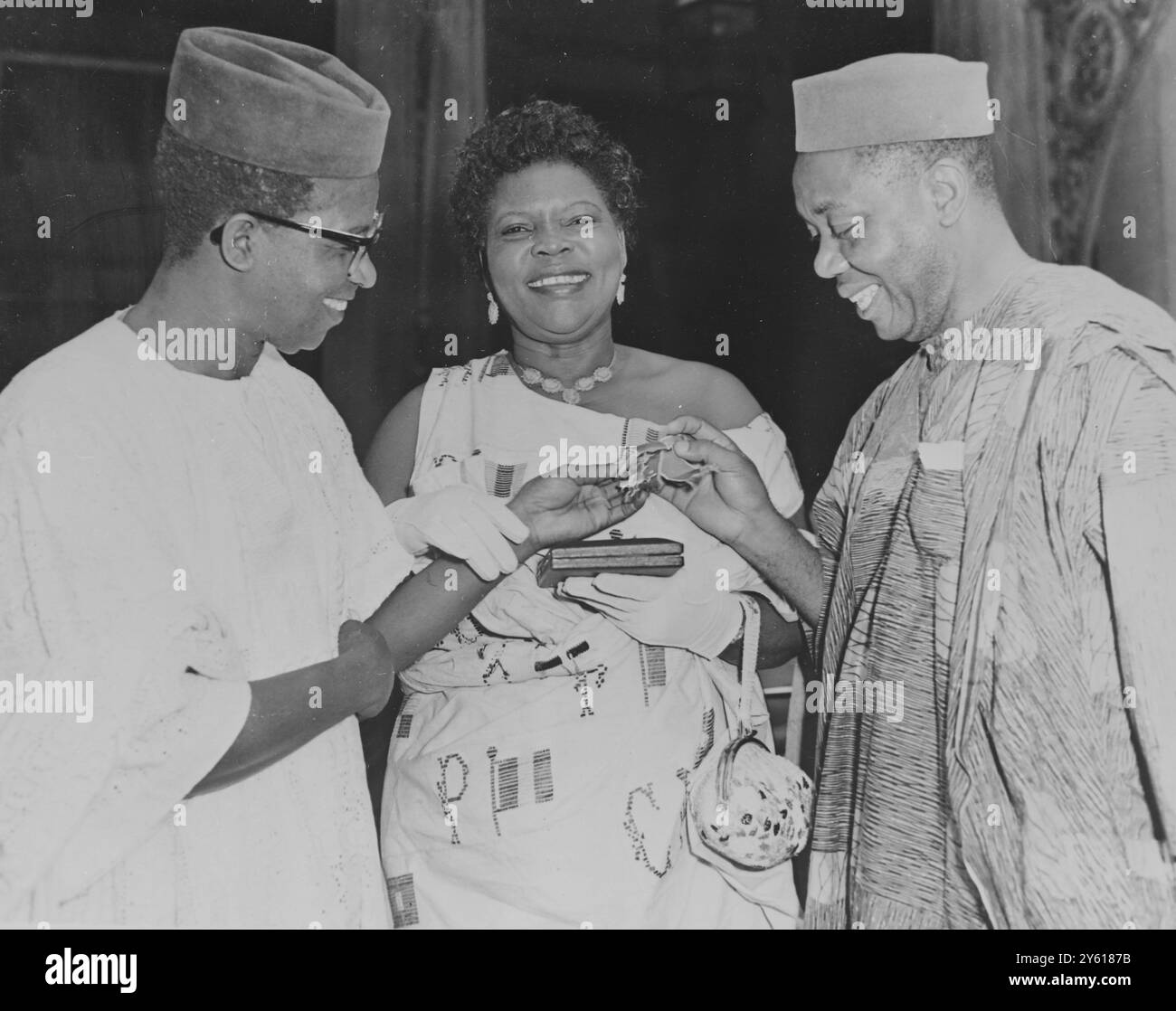
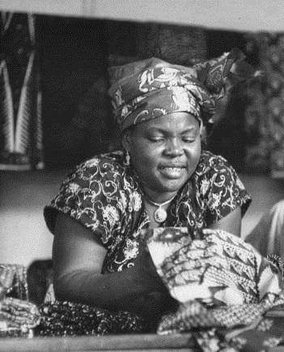
Women have long played central roles in the economic, social, and political life of the Igbo people of southeastern Nigeria. Among the most remarkable figures in this tradition was Chief Mary Nzimiro (née Mgbojikwe), an influential merchant, political leader, and philanthropist whose life embodied the commercial strength and community leadership of Igbo trading women. Her accomplishments resonate across generations as part of a continuum that stretches from pre‑colonial women’s market power to modern entrepreneurial achievements. This essay explores the life of Chief Mary Nzimiro, the historical context of trading Igbo women, and the enduring legacy these women have left in shaping Nigerian economic history.
The written record
Historical context
Historical Background: Women in Igbo Trade
In Igbo society, market women historically served not only as traders but also as custodians of community relations and local governance. The economic system in many Igbo communities incorporated powerful female guilds and cooperatives, such as the Otu Odu (Ivory Women) and market unions that regulated trade, social conduct, and dispute settlement among women. Women’s roles in the palm oil trade, textiles, and foodstuffs extended beyond commerce; they influenced political culture, controlled significant capital, and shaped community decisions.
The 1929 Aba Women’s Riot, a massive anti‑tax protest led by Igbo women is one of the most widely documented demonstrations of women’s political and economic agency in colonial Nigeria. These structures provided the social and cultural foundation from which elite women traders like Mary Nzimiro would emerge in the 20th century.
Early Life and Entry into Commerce
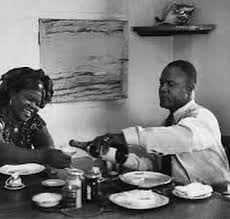
Mary Nzimiro was born in 1898 in Oguta, in present‑day Imo State, into the Mgbojikwe family, a community known for its trading acumen. She began her commercial activities at a relatively young age. After marrying Richard Nzimiro, a respected businessman involved in transport and merchandising, she quickly established her own business networks, demonstrating both remarkable business intelligence and independence.
By the 1940s, Nzimiro was an agent of the United African Company (UAC), one of the largest multinational trading firms in West Africa. Her role with UAC was significant because it placed her in an elite class of indigenous agents responsible for distributing foreign manufactured goods, textiles, cosmetics, and hardware well into the interior regions of eastern Nigeria. This position was not often extended to African women in colonial trading systems dominated by male merchants and expatriate firms.
Expansion and Diversification of Business Interests
Mary Nzimiro’s enterprise did not remain confined to trading imported goods. She diversified into:
- Textiles and retail shops throughout eastern Nigeria
- Palm oil and local produce brokerage
- Real estate investment
- Importation of goods commonly in demand in rural and urban markets.
By the 1950s, she had become one of the wealthiest individuals in southeastern Nigeria male or female who owned multiple stores, and controlled significant market share in regional trade networks. Some accounts describe her as one of the first women in Nigeria to attain millionaire status through commerce, while others cite her as a model of economic leadership and integrity.
Her business empire served as a hub for trade networks that extended from remote villages to the port of Lagos, and her influence encouraged other women to participate in large-scale commerce.
Political Leadership and Social Influence
Chief Mary Nzimiro was not only a commercial magnate; she was also a respected political figure. She was a member of the House of Chiefs in the Eastern Region and became a prominent leader within the National Council of Nigeria and the Cameroons (NCNC), one of Nigeria’s earliest nationalist political parties. In these roles, she mobilized women for civic participation and was instrumental in advocating for women’s involvement in community development and political discourse.
Her leadership in women’s associations strengthened collective action among trading women, enabling them to negotiate better market rights and engage in community governance. These contributions align with research that shows Igbo women’s organizations functioned as powerful socio‑economic institutions that mediated local conflicts, administered markets, and promoted women’s welfare.
Philanthropy and Community Development
Mary Nzimiro used her wealth not only for personal gain but also for community development and education. She funded scholarships, supported educational institutions, and helped establish community schools. One of her most enduring contributions was the establishment of the Nzimiro Memorial Girls’ School in Oguta, named in honour of her late husband and later managed with substantial community support.
Her investments in education reflected a belief that economic empowerment should be paired with intellectual development, especially for women and girls. This approach reinforced the tradition of Igbo women not only as traders but also as custodians of community welfare.
Chief Mary Nzimiro’s legacy persists today in multiple ways. She is remembered as a trailblazer whose success challenged gender norms in a colonial and post‑colonial society. Her life demonstrates that women’s economic power in Igbo culture was not an anomaly but a continuation of a deeply rooted tradition of women’s market authority. Her story has contemporary relevance as policymakers, scholars, and activists continue to explore how women’s historic roles in commerce can inform modern economic empowerment strategies in Nigeria and across Africa. For example, research on female entrepreneurship often cites historical figures like Nzimiro to emphasize that African women were active economic agents long before the introduction of contemporary microcredit and development programs.
Today, Igbo women traders continue to be central to regional commerce. Market associations in Onitsha, Aba, and Owerri remain powerful social and economic institutions, and the significance of women in informal and formal economies continues to be recognized by scholars and policymakers alike. Chief Mary Nzimiro’s life exemplifies the formidable legacy of trading Igbo women, a legacy that predates colonial influence and extends into the present day. As a merchant, community leader, and political mobilizer, she demonstrated that women’s economic participation is not only consistent with societal development but also foundational to it. Her achievements reflect both individual brilliance and the collective strength of Igbo women’s economic traditions, making her an enduring figure in Nigeria’s commercial and cultural history.
Sources and references
- The History Of Mary Nzimiro, Who Left Unforgettable Business Marks In Southeastern Part Of Nigeria. (2019, October 1). WomenAfrica.com.
- The Neighbourhood Online. (2019, April 9). Meet the first Igbo female millionaire.
- Onyenechere, E. C., & Osuji, S. C. (2012). Life of Mary Nzimiro (1898–1993): Lessons for the future of women entrepreneurship in South Eastern Nigeria. Ajosdemar, 7(1), 1–12.
- SmartPreneur. (2022, December 2). Mary Nzimiro: From petty trader to self-made millionaire.
Cite this article
Discussion
Sign in to join the discussion
Comments are checked by an editor before they appear. Leave a source or a correction and it is read first.
Continue reading
No comments yet
Nothing has been approved on this record yet. Comments are checked by an editor before they appear, so one written now shows on this page after that check.