 Ozikoro
Biography · Published history
Chief Pericoma Okoye: The Lion of Arondizuogu – A Life in Music and Tradition
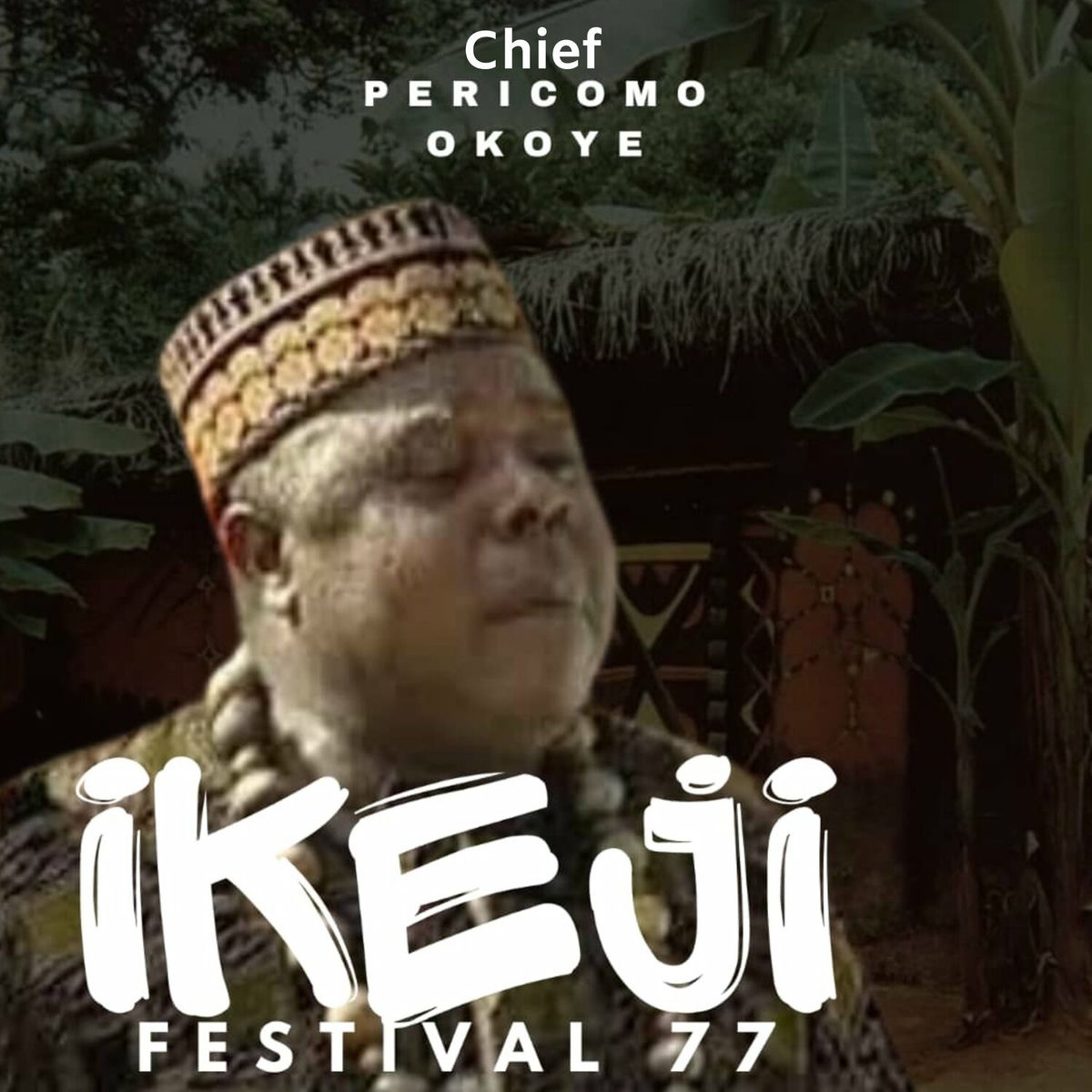
When people talk about mystical power, cultural pride, and traditional music in Igboland, Chief Pericoma Okoye’s name rises like a legend. Known widely as “the Lion of Arondizuogu,” Pericoma wasn’t just a musician, he was a custodian of tradition, a spiritual figure, and a storyteller whose voice carried the weight of an entire culture. His songs were not the ordinary kind; they were chants, warnings, praises, and history lessons woven into rhythm.
The written record
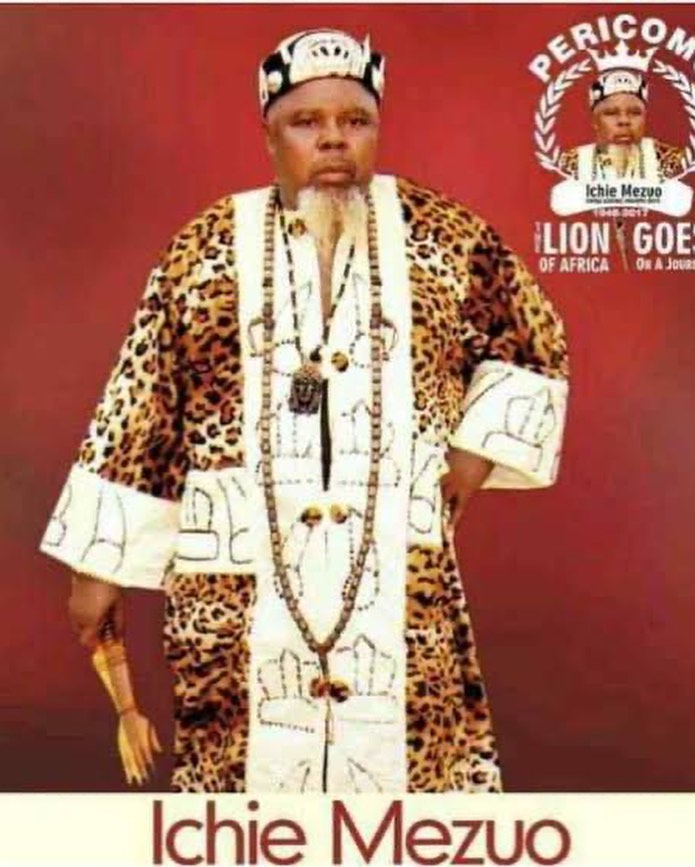
Even years after his passing, the mention of his name still sends a wave of nostalgia and sometimes, a shiver through Igbo communities.
Historical context
Early Life and Origins
Pericoma Mezuo Okoye was born in Arondizuogu, a town famous for warriors, legends, and the annual Ikeji Festival. Growing up, he absorbed the local folklore, spiritual practices, and oral traditions that shaped the identity of his people.
He once said, “I am a child of tradition; my music is my way of speaking for my ancestors”. And truly, everything about Pericoma from the way he dressed to the way he sang, felt ancient, powerful, and deeply mystical.
Chief Dr. Pericoma Damian Azubike Nwankwo Okoye, affectionately known simply as Pericoma Okoye, was a monumental figure in Igbo cultural and spiritual life. Born on November 7, 1948, in the revered town of Arondizuogu in Imo State, Nigeria, he emerged as a legendary musician, spiritualist, songwriter, and defender of Igbo tradition. His life and work were deeply entrenched in Odinala, the traditional religious belief system of the Igbo people, which shaped both his worldview and his art.
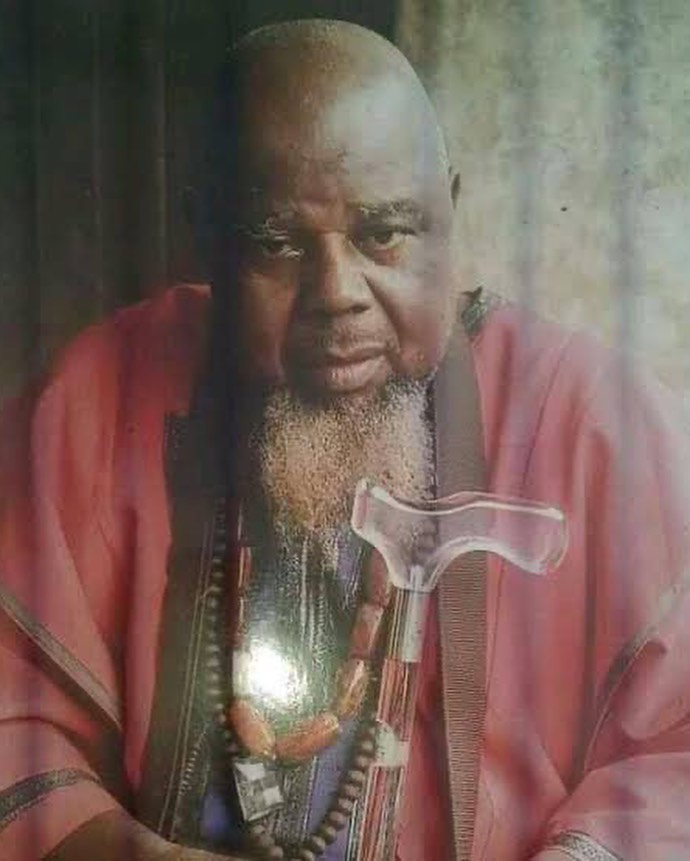
Pericoma’s music was more than entertainment; it was a vessel for ancestral memory, spiritual invocation, and cultural affirmation. His mystical and commanding voice, often described as otherworldly, resonated with themes of justice, spirituality, and community values. This unique blend of artistry and sacred tradition earned him distinguished titles such as “The Lion of Africa” and “Voice of Tradition.”
Through his compelling songs, rich in folklore, chants, and historical narratives, Pericoma became both a cultural custodian and a spiritual icon. His influence spanned generations, drawing admiration from traditionalists, musicians, scholars, and cultural enthusiasts alike.
Pericoma’s journey into the heart of Igbo musical tradition began in the early 1970s. His powerful voice first gained attention in the choir of St. Michael’s Catholic Church in Arondizuogu. This early exposure laid the foundation for his transition into cultural music, where he soon became the lead vocalist for the renowned group, Troupe. After releasing a successful album with Troupe, Pericoma’s ambition and unique vision led him to form his own ensemble.
From 1976 onwards, he embarked on a remarkably prolific solo career, releasing albums almost yearly. His music, deeply rooted in the Igbo masquerade tradition, was more than entertainment; it was described as an “oral rendition of rarefied Igbo history,” vividly chronicling the people’s past, wisdom, and cultural nuances. Over his lifetime, Pericoma gifted the world with an extensive catalogue of over 200 songs, each a testament to his storytelling prowess and cultural depth.
Music Style Like No Other
Pericoma’s music didn’t sound like Highlife, Afrobeat, or even modern Igbo traditional tunes. His songs were more like chants, slow, rhythmic, and spiritually charged. He often performed with ogene (gong), ekwe, and traditional drums, accompanied by backup chanters who gave his music a ceremonial feel.
His lyrics carried proverbs, warnings, and cultural teachings. Unlike many performers who created music for entertainment, Pericoma created music as a cultural statement. His songs touched on discipline, community, respect for elders, and the importance of tradition.
Nwosu described his style as “a bridge between music and mysticism, a voice that seemed to speak for both the living and the departed.”
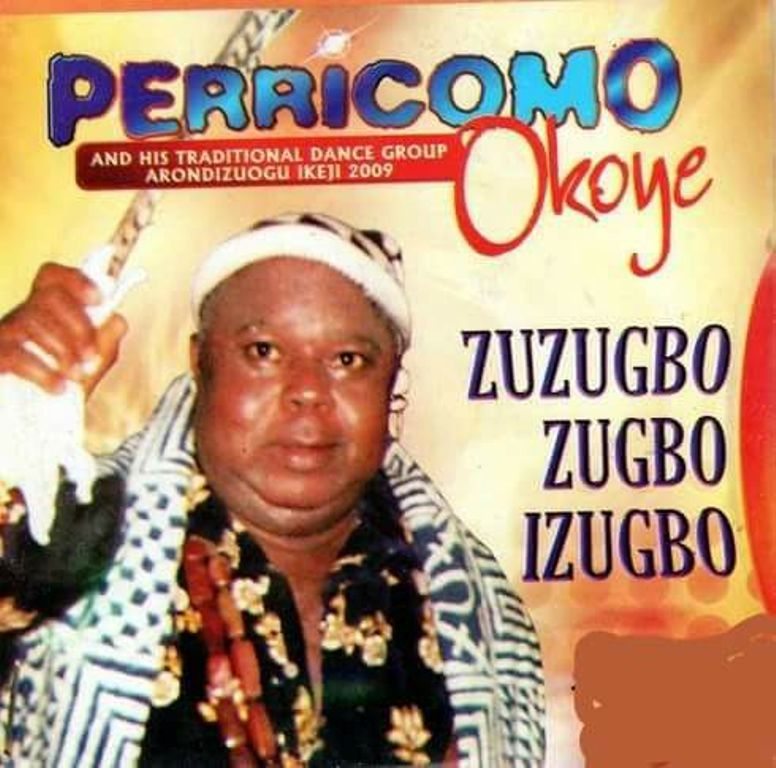
Beyond his musical career, Okoye also ventured into acting. He featured in a film titled Lion of Africa alongside renowned Nollywood actor Pete Edochie. Presented in two parts, the movie narrated Okoye’s early life and his involvement in activities associated with sorcery.
The Legendary Mystique of Pericoma
Pericoma’s fame didn’t come from radio hits or flashy concerts. It came from stories. Incredible stories. Tales of how he could command nature, silence troublemakers, or stand unharmed amid chaos.
Arondizuogu people believed he possessed ọfọ, spiritual authority that protected the innocent and punished the wicked. Whether these stories were myths or reality didn’t matter; they shaped his image and made him larger than life.
Some would say the fear around Pericoma was exaggerated. Others would confidently say, “He was not a man to be joked with”. Whatever the truth, the legend of Pericoma became as important as the man himself.
A Man of Tradition First, Musician Second
Pericoma never separated his music from his role as a traditional leader. He served as a community chief, custodian of customs, and a mediator in local disputes. He believed strongly in the preservation of Igbo identity, often reminding people that “A community without tradition is a body without a soul”.
While his music brought him nationwide attention, his true legacy lies in how he kept the flame of traditional spirituality alive in a fast-modernising world. He was honoured with distinguished titles such as Mezuo Mbụ nke Arọndizuogu (‘The First of Arondizuogu’) and Arụsị Makaja Mbụ (‘The First Makaji Arusi’ or Arusi Makaja 1), signifying his paramount spiritual authority.
His fame was further amplified by his appearance alongside Nollywood veteran Pete Edochie in the movie Lion of Africa, a title that quickly became synonymous with Pericoma himself, reflecting his commanding presence and fearless spirit.
Pericoma was an unapologetic and renowned practitioner of Odinala, the traditional Igbo system of beliefs and practices, which includes a deep understanding of mysticism and the natural world. His open embrace of traditional spirituality, often featuring praise for herbalists and those connected to the spirit world, set him apart. His demonstrations of traditional Igbo magic and spiritual prowess were legendary, drawing massive crowds, particularly during the annual Ikeji festival in Arondizuogu.
One of the most famous tales illustrating his extraordinary abilities occurred in Onitsha. Confronted by “agbero boys” (touts) on his way to Upper Iweka, an area infamous for the harassment of traders and travellers by aggressive tax enforcers, Pericoma found himself at the centre of an unusual confrontation demanding tax receipts. Pericoma remained unfazed. When one attempted to forcibly carry him away, Pericoma reportedly made himself impossibly heavy, grounding the man for hours until specific propitiatory rituals were performed to his deity. This event, immortalised in a song by Anaede Unu as “Pericoma na-anyi ajo aro,” cemented his mystical reputation.
Pericoma’s greatest role was his involvement in the famous Ikeji Festival, one of the most important cultural festivals in Igboland. The highlight of the festival, the Nmanwu masquerades and the fierce war dancers, reflected the history of Arondizuogu’s warrior ancestors.
Pericoma didn’t just participate in the festival; he served as a cultural pillar. His presence commanded respect, and his voice carried the authority of old traditions. As one cultural commentator put it, “To see Pericoma at Ikeji was to witness tradition in human form”.
Legacy and Influence
Pericoma passed away in 2017, but the legacy he left behind is undeniable. Young artists like Phyno, Zoro, and Flavour have referenced him in their music or performance aesthetics, particularly in their celebration of Ogene sounds and traditional Igbo masculinity.
His role in the movie Lion of Arondizuogu also introduced him to a new generation, proving that even in film, his presence carried power. Until his passing in 2017, Okoye served as the prime minister of the Arondizuogu community in Imo State, Nigeria. He was a highly influential and charismatic figure whose leadership greatly advanced the community’s development and helped preserve its deep Aro Igbo cultural heritage.
Chief Pericoma Okoye lived as more than an artist. He lived as a guardian of Igbo heritage, a storyteller, a cultural warrior, and a walking embodiment of ancient wisdom. His music, his influence, and his legend continue to echo through the hills of Arondizuogu and beyond. In a world where cultures fade fast, Pericoma stood firm, roaring like the lion he was known to be, reminding the people of who they are and where they come from.
Sources and references
- Ezenwa, O. (2016). Tradition and power in Arondizuogu culture. Owerri: Sunrise Publishers.
- Nnamani, E. (2019). “Cultural identity and memory in Igbo traditional music.” Journal of African Heritage Studies, 8(1), 33–45.
- Nwosu, C. (2001). “Music and mysticism in Eastern Nigeria.” African Cultural Review, 15(2), 77–89.
- Akolisa, U. (2020, May 8). Ihe mere Pericoma ji anyị ajọ arọ [What happened that made Pericoma our bad year].
- BBC NewsIgbo.
- Aniche, E. (2019, December 28). Chief Pericoma Mesuo Okoye – traditionist, singer/songwriter and local politician. Notable Aros. Retrieved June 21, 2024e
Cite this article
Discussion
Sign in to join the discussion
Comments are checked by an editor before they appear. Leave a source or a correction and it is read first.
Continue reading
No comments yet
Nothing has been approved on this record yet. Comments are checked by an editor before they appear, so one written now shows on this page after that check.