 Ozikoro
Biography · Published history
Chief Stephen Osita Osadebe: The Highlife Maestro of Igboland
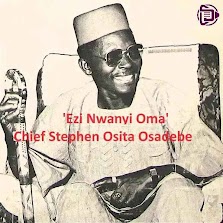
If music had a soul in Nigeria, Highlife would be one of its oldest, most charming spirits and Chief Stephen Osita Osadebe would be its voice. Known for his smooth rhythms, wise lyrics, and elegant stage presence, Osadebe wasn’t just a musician; he was a cultural custodian. His songs carried laughter, philosophy, and the rhythm of Igbo life. Even years after his passing, his melodies still float through parties, palm wine joints, and family gatherings across Nigeria and beyond.
The written record
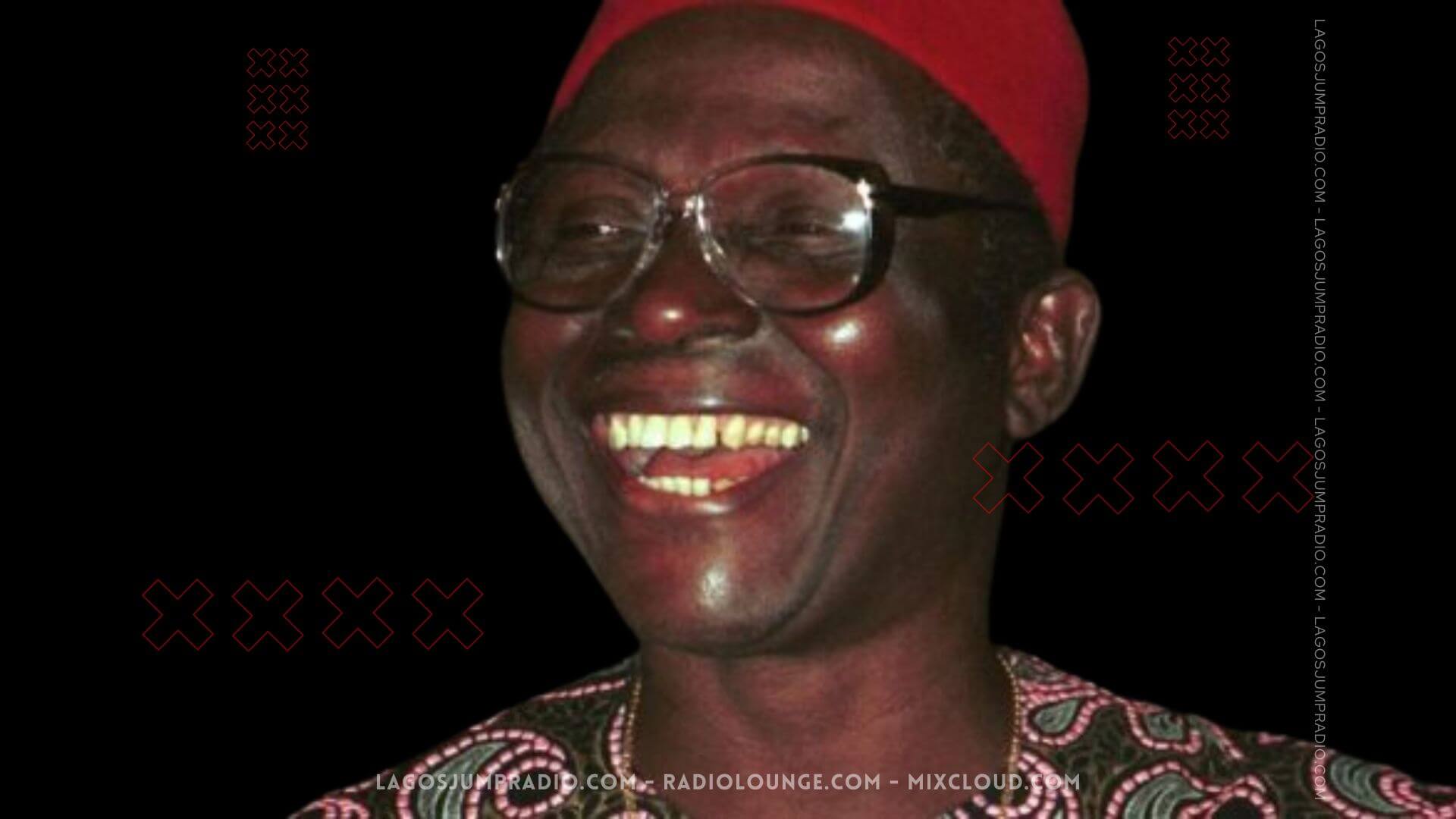
Historical context
Early Life and Beginnings
Chief Stephen Osita Osadebe was born on March 17, 1936, in Atani, a prominent town in Ogbaru Local Government Area, Anambra State, Nigeria. He was the son of Chief Emmanuel Okafor Osadebe, a notable trader and community leader, and Madam Maria Uzoamaka Osadebe, a homemaker deeply rooted in Igbo traditions. Osadebe grew up in a culturally rich environment that inspired his musical journey. He was the eldest of six siblings, including notable figures like his younger brother Emmanuel Osadebe, who later became involved in the family’s music legacy.
From an early age, he was drawn to sound; drums, guitars, voices, everything that made people move. Unlike many of his peers, who saw music as a side hobby, young Osadebe treated it like destiny.
Education
Osadebe’s educational background was modest but impactful. He attended St. Joseph’s Primary School, Atani, where he developed an early interest in music. Later, he completed his secondary education at Christ the King College (CKC), Onitsha, a prestigious institution known for nurturing talented individuals in various fields. His time at CKC exposed him to Western musical influences, including jazz and swing, which would later inform his unique style of highlife music.
Osadebe began his music career in the 1950s as a vocalist for EC Arinze’s band, one of the foremost highlife groups in West Africa. By the 1960s, he had established his own band, the Nigerian Sound Makers International, which became a staple of the highlife scene.
After finishing school, he moved to Lagos in the 1950s, then the heartbeat of Nigeria’s music scene. There, he joined top bands, including the Empire Rhythm Skies Band and later the Central Dance Band led by E.C. Arinze. It was in Lagos that he found his sound; a blend of traditional Igbo rhythms, Western instruments, and the soft sophistication of Highlife music.
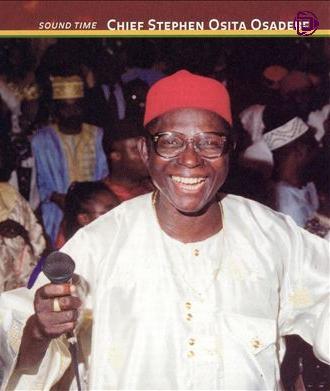
The Rise of a Highlife Star
Osadebe’s rise to fame came in the late 1950s and 60s, as he began releasing songs that struck a chord with Nigerians everywhere. His 1964 hit, Lagos Life Na Now Civilize, captured the vibrant spirit of city life. But it was his 1984 classic, Osondi Owendi (“One man’s meat is another man’s poison”), that truly made him a legend.
That song became a national anthem, not just for its catchy tune but for its timeless message about individuality and contentment. As Osadebe himself once said, “I sing about life, about what we see and what we feel”. His lyrics were full of Igbo proverbs, humor, and moral lessons; the kind of wisdom that came with age and experience.
What made Osadebe special wasn’t just his music, but the way he infused Igbo worldview and values into every note. He sang about hard work, patience, love, and destiny, the same themes that guided traditional Igbo life.
As Echeruo put it, “Osadebe’s music is a conversation between the past and the present, between ancestral wisdom and modern rhythm.” His songs often opened with philosophical sayings like “Nwanne, jee nwayọ” (Brother, take life slowly), reminding listeners to live with balance and peace.
He was also known for his calm, gentlemanly demeanor, earning him the nickname “Gentleman of Highlife.” Even when the younger generation turned to Afrobeat or Hip-Hop, Osadebe’s Highlife remained timeless; mature, wise, and beautifully Igbo. you
Controversies
Osadebe’s departure from EC Arinze’s band in 1964 sparked controversy. Arinze accused Osadebe of “betraying” the band by forming his own group. In an interview with West African Melody Magazine in 1965, Arinze described the split as “unfortunate,” while Osadebe countered, stating, “Every artist deserves a chance to grow independently.”
Another notable controversy involved fellow highlife legend Oliver De Coque. In the late 1980s, rumors of rivalry between the two emerged after De Coque’s hit “Biri Ka Mbiri” was perceived as a response to Osadebe’s dominance in the industry. Both artists denied the feud publicly, but insiders reported tension during joint performances in Enugu.
Cultural Legacy and Influence
Chief Osadebe recorded over 40 albums in his lifetime, blending brass instruments, guitars, and traditional percussion into songs that never grew old. He was a master storyteller, the kind who could make you dance and reflect at the same time. For his significant contributions, he was honored with the chieftaincy title of Ogbuefi Ezealulukwe N’atani and was awarded the national honor of Officer of the Order of the Niger (OON) by the Nigerian government.
Artists like Oliver De Coque, Bright Chimezie, and even contemporary stars like Flavour have all drawn inspiration from his sound. In fact, Flavour’s modern hit Nwa Baby (Ashawo Remix) carries traces of Osadebe’s lyrical playfulness and Igbo rhythm.
When asked about his music, Osadebe once said, “I don’t sing to chase fame; I sing to touch hearts and to remind people who they are”.
Even into his old age, Chief Osadebe never stopped performing. He toured Europe and the United States, where diasporan Igbo communities welcomed him as a cultural ambassador. Sadly, he passed away on May 11, 2007, in the United States, leaving behind a treasure chest of songs that continue to inspire and comfort millions.
To this day, when Osondi Owendi plays at weddings or village festivals, people still nod their heads and smile knowingly. His voice, rich and wise, continues to remind us that joy and sorrow are both parts of life’s dance.
Chief Stephen Osita Osadebe was more than a Highlife musician, he was a philosopher with a microphone. Through his art, he showed that music could teach, comfort, and connect generations. His songs were simple but deep, joyful but reflective, just like the Igbo spirit itself.
As Nnamani said, “Osadebe didn’t just sing for the Igbo; he sang the Igbo.” And perhaps that’s why, decades later, the rhythm of his music still beats softly in our hearts; timeless, truthful, and full of life.
Sources and references
- Okafor, C. (2012). “The legacy of highlife music in Nigeria. Lagos”: West African Press.
- Vanguard Newspaper. (2007, May 15). “Oliver De Coque’s tribute to Osadebe.” Vanguard Newspaper.
- Osadebe, S. (1999). Osondi Owendi: The memoirs. Enugu: Heritage Publications.
- Vanguard. (2015, May 11). “Remembering Chief Osita Osadebe, the Gentleman of Highlife.” Vanguard Nigeria. Retrieved from https://www.vanguardngr.com.
Cite this article
Discussion
Sign in to join the discussion
Comments are checked by an editor before they appear. Leave a source or a correction and it is read first.
Continue reading


No comments yet
Nothing has been approved on this record yet. Comments are checked by an editor before they appear, so one written now shows on this page after that check.