 Ozikoro
Biography · Published history
Chika Okpala: How Zebrudaya Transformed the Sitcom Industry in Nigeria
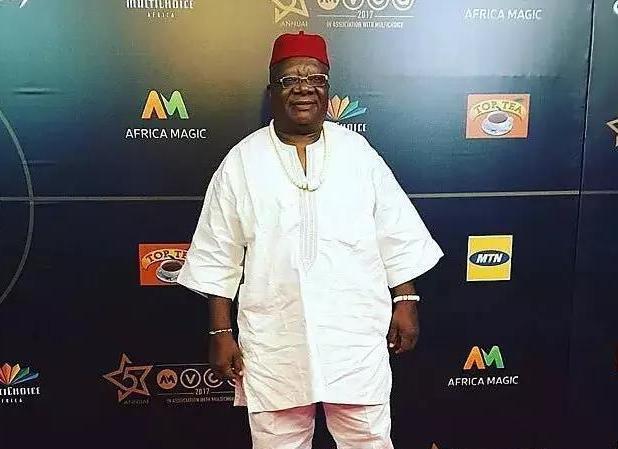
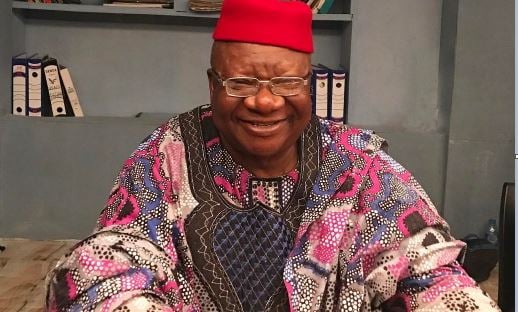
Chika Okpala, popularly known as Chief Zebrudaya, is one of Nigeria’s most iconic figures in television comedy. Born on June 10, 1950, Okpala rose to national prominence through his unforgettable portrayal of Chief Zebrudaya Okoroigwe Nwogbo alias 4:30 in the classic sitcom New Masquerade (1983–1993). His influence on the Nigerian sitcom industry was profound: by blending satire, social commentary, and uniquely Nigerian humor, Okpala helped define the early era of televised comedy and set a standard for narrative storytelling on Nigerian screens. His work remains a touchstone for understanding how local sitcoms could both entertain and reflect the realities of Nigerian society.
The written record
Historical context
The Rise of New Masquerade
New Masquerade evolved from a radio programme called Masquerade, originally broadcast on the East Central State Broadcasting Corporation in Enugu. It was created and written by James Iroha and adapted into a television series on the Nigerian Television Authority (NTA). The show ran weekly from the early 1980s to the mid-1990s, making it one of the longest-running sitcoms in Nigerian television history.
What distinguished New Masquerade from earlier programming was how it used comedy to explore not only family and community life but also broader social issues. Unlike imported foreign comedies, it was steeped in Nigerian languages, idioms, and cultural markers, making it instantly relatable. At a time when television options were limited and state media had significant reach, New Masquerade became a shared experience for millions of Nigerians from diverse backgrounds.
Chief Zebrudaya: Character and Appeal
Chika Okpala’s role as Chief Zebrudaya was central to the show’s success. In New Masquerade, Zebrudaya is a pompous, semi-educated man who constantly mixes English, Igbo, and Pidgin in witty and humorous ways. His unique speech patterns marked by malapropisms, comic self-importance, and exaggerated worldview made him instantly recognizable and quotable.
Zebrudaya’s character was more than comic relief; he embodied contradictions within Nigerian society. On one hand, he portrayed a man convinced of his own superiority and worldly sophistication; on the other, his misunderstandings and comedic arrogance provided pointed satire about elitism, tradition, and cultural identity. This duality helped New Masquerade serve both as entertainment and as social commentary, endearing it to viewers across generations.
Setting Narrative Standards for Nigerian Sitcoms
Before New Masquerade, much of Nigerian television content consisted of educational programmes, dramas, or imported series from abroad. New Masquerade offered a distinctly Nigerian narrative framework: episodic, character-driven, and reflective of ordinary life. The sitcom format revolving around a central family and a small ensemble cast allowed for ongoing relationships, recurring jokes, and storylines that explored morality and everyday dilemmas.
This narrative approach influenced later Nigerian television writers and producers by demonstrating that comedy could be both culturally grounded and commercially successful. Sitcoms began to move beyond simple sketches, embracing longer arcs, deeper character development, and settings that mirrored the experiences of ordinary Nigerians, patterns that would become central to later series and even Nollywood productions.
Moreover, New Masquerade was not limited to slapstick; it wove ethical reflections into its humor. Many episodes addressed issues like family responsibility, honesty, respect for elders, and community values, encouraging audiences to see themselves within the stories. In this way, the sitcom became educational as well as entertaining.
Pioneering Local Content and Industry Impact
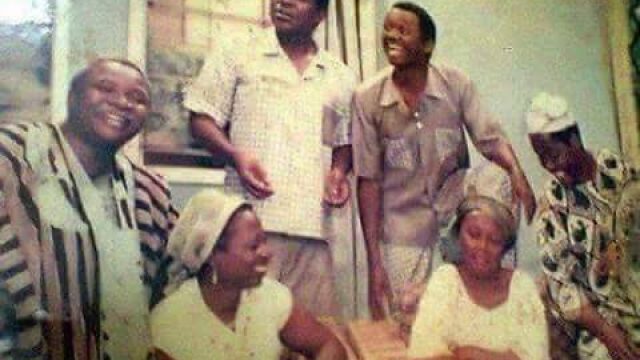
Chika Okpala’s work on New Masquerade helped pave the way for the Nigerian sitcom tradition that thrived in later decades. His influence can be traced to;
- Setting the template for locally written comedy that drew directly from Nigerian social norms and linguistic practices.
- Elevating character-based storytelling where recurring personalities became cultural icons.
- Demonstrating commercial viability of homegrown sitcoms in a media environment once dominated by foreign content or educational programming.
New Masquerade showed producers how humour rooted in local languages and cultural nuance could attract wide audiences, a lesson that would inform later Nigerian sitcoms and serialized dramas. Its model encouraged subsequent creative efforts in television and contributed to the rise of content that eventually expanded into Nollywood’s thriving film and TV industries.
Zebrudaya’s Legacy Beyond New Masquerade
Chika Okpala’s influence did not end with New Masquerade. Years after the show’s original run, his contributions were publicly recognized with a Lifetime Industry Merit Award at the Africa Magic Viewers’ Choice Awards (AMVCA) in 2017, highlighting the enduring importance of his work in shaping Nigerian entertainment.
Beyond awards, Okpala’s iconic persona continues to appear in contemporary productions. For instance, he guest-starred in the sitcom Professor Johnbull, showing how his brand of comedy and satirical commentary lives on in newer formats and reaches new audiences.
Cultural and Societal Influence
New Masquerade, and by extension Chika Okpala’s portrayal of Zebrudaya, was more than just a sitcom, it was a mirror for Nigerian society, reflecting both its strengths and idiosyncrasies. The character’s eccentric yet earnest worldview encouraged Nigerians to laugh at themselves while also prompting reflection about social values.
Because television at the time was widely accessible and New Masquerade aired during peak viewing hours, it became a shared cultural touchstone. People quoted Zebrudaya’s unique expressions and mannerisms in everyday conversations, embedding the character in popular memory even decades after the show ended.
This cultural impact helped strengthen the idea that Nigerian stories told by Nigerian actors, writers, and producers could resonate more deeply with local audiences than imported content. It helped nurture the domestic media ecosystem, which would later support the explosive growth of Nollywood and other locally produced media. Despite New Masquerade’s groundbreaking success, Nigerian sitcoms later faced significant challenges such as competition from imported foreign programmes in the 2000s, which drew audiences away from local content due to heavy marketing and saturation of foreign channels like Telemundo and Zee World. Chika Okpala himself noted that this shift contributed to a decline in locally produced sitcoms.
Still, the legacy of his work remains a foundation upon which contemporary sitcoms and comedy productions continue to build. Modern Nigerian comedy series, though often different in style and technique, owe a debt to the early success of New Masquerade and the narrative possibilities it opened.
Chika Okpala through his iconic portrayal of Chief Zebrudaya in New Masquerade helped transform the sitcom industry in Nigeria. By introducing a culturally grounded, character-driven style of storytelling that combined humour with social commentary, he influenced how Nigerian television approached comedy and narrative. New Masquerade became a cultural phenomenon, and Okpala’s legacy endures through the continued appreciation of local sitcoms, the recognition of indigenous comedy forms, and the collective memory of audiences who grew up laughing with Zebrudaya.
His work remains a testament to the power of locally made sitcoms to entertain, educate, and reflect the lived experiences of Nigerian audiences.
Sources and references
- Exploring the Legacy of Masquerade. (2023, November 5). Guardian Life.
- Zebrudaya debuts in Professor Johnbull Season Two. (2016, November 3). Daily Times Nigeria.
- Zebrudaya: Our TV series is suffering because of Telemundo and Zee World. (2018, January 18). TheCable Lifestyle.
- Chika Okpala’s day of glory. (2017, March 17). BusinessDay NG.
Cite this article
Discussion
Sign in to join the discussion
Comments are checked by an editor before they appear. Leave a source or a correction and it is read first.
Continue reading

No comments yet
Nothing has been approved on this record yet. Comments are checked by an editor before they appear, so one written now shows on this page after that check.