 Ozikoro
Biography · Published history
Cyprian Ekwensi and the Cinema World: The Igbo Novelist as Actor, Scriptwriter, and Film Critic
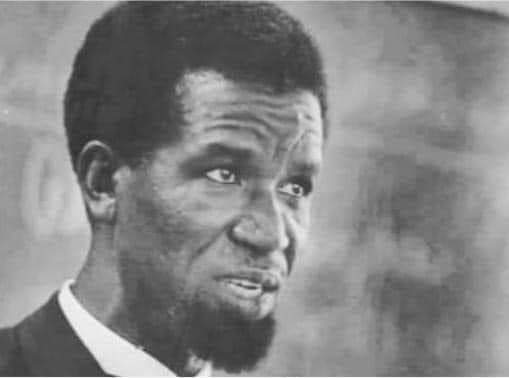
Long before Nollywood’s floodlights and rolling cameras, there was a man whose stories flickered like film reels in the minds of his readers, Cyprian Odiatu Duaka Ekwensi, the Igbo novelist who blurred the lines between literature and cinema. Born in 1921 in Minna, Niger State, to Igbo parents from Nkwelle Ezunaka in Anambra, Ekwensi’s life embodied the crossroads between word and image, tradition and modernity. He was not just a writer; he was a story performer, a visual architect of narrative who saw no boundary between the page and the screen.
The written record
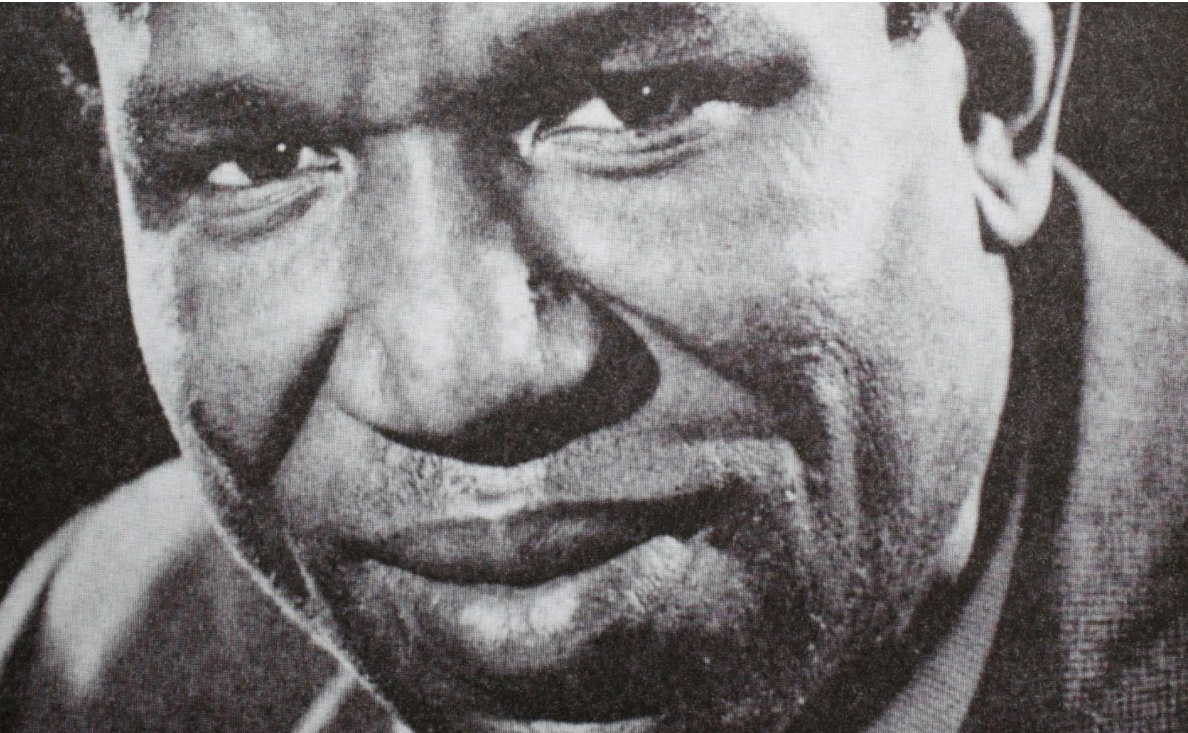
As the Igbo say, “Okwu bụ ndụ; onye na-asụ ya nke ọma, na-eme ka ụwa gbagoo.” (Words are life; he who speaks them well makes the world come alive). Ekwensi made the world come alive through novels, short stories, radio scripts, and film adaptations that gave urban Nigeria a cinematic voice before cameras ever rolled.
Historical context
From Pharmacist to Storyteller of the City
Cyprian Ekwensi’s journey began in the sciences. Trained as a pharmacist, he soon discovered that his real medicine lay in stories. His early days writing scripts for Radio Nigeria introduced him to soundscapes, dialogue pacing, and the art of bringing characters to life, techniques that later gave his novels a cinematic texture.
His breakout work, People of the City (1954), was one of the first Nigerian novels to portray the bustling modern life of Lagos. Through his vivid descriptions and quick-paced dialogue, Ekwensi became Nigeria’s first true cinematic novelist, one whose words rolled like film frames. As a writer for the airwaves, he mastered rhythm, suspense, and timing. These skills, combined with his deep cultural grounding, made his transition into cinema natural and inevitable.
The Cinematic Mind of an Igbo Storyteller
In his stories, Ekwensi visualised motion long before cameras caught up. The rapid cuts between scenes in Jagua Nana (1961) mirrored cinematic editing; the flashbacks in Burning Grass (1962) mimicked film montage. His stories were not just written, they were directed.
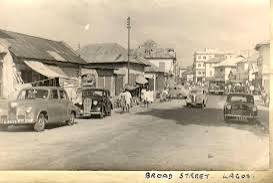
Critics often noted that reading Ekwensi felt like watching a film: the tension, the emotion, the sensory detail. His Lagos was alive; cars honking, radios playing, women in bright headscarves moving like frames through the heat and dust of independence-era Nigeria.
Ekwensi and the Film Heritage
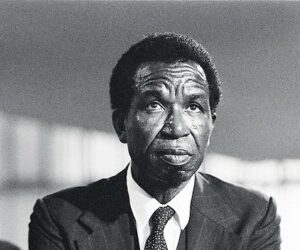
By the 1960s, as Nigeria began exploring visual media, Ekwensi’s stories were among the first to be adapted for film and television. His novel Passport of Mallam Ilia became a screenplay and was later adapted for the screen decades, proving the timeless appeal of his visual storytelling. As Vanguard Nigeria (2010) observed, Ekwensi’s understanding of film form, dialogue, pacing, and scene structure, positioned him as one of Nigeria’s earliest literary filmmakers. He didn’t just write for print; he wrote for performance.
He also served as a film critic and commentator, analysing Nigeria’s early attempts at visual storytelling. His radio experience gave him a sharp ear for dialogue, while his Igbo heritage gave him an eye for drama rooted in communal life and moral consequence, a quality central to Igbo aesthetics.
As one proverb teaches: “Egbe bere, ugo bere; nke si ibe ya ebena, nku kwaa ya.” (Let the kite perch and let the eagle perch; if one denies the other, may its wings break). Ekwensi lived this proverb, giving space for literature and film to perch side by side, enriching each other.
Between City Lights and Village Fires
Though known for urban fiction, Ekwensi’s roots remained firmly Igbo. His stories carried the rhythm of the drum and the wisdom of elders. He infused Igbo philosophy into the cosmopolitan life of Lagos, creating a hybrid world where old proverbs met new temptations.
In An African Night’s Entertainment, the story unfolds like a folk drama, driven by fate, passion, and retribution. It was the structure of oral narrative cinema, centuries before Nollywood popularised such forms. For Ekwensi, storytelling was not about preserving the past but transforming it into a living vision. He once said that the African storyteller must be “the mirror and the movement”, reflecting his people while moving them forward.
Legacy: From Ekwensi to Nollywood
Today’s Nigerian filmmakers owe much to Cyprian Ekwensi’s visual imagination. His fusion of literature and cinema prefigured the storytelling style that now defines Nollywood: vibrant, moral, emotional, and deeply human.
Through his novels, he taught that African stories could be modern without losing their soul, urban without losing their roots. His influence flows through writers like Chimamanda Adichie, filmmakers like Tunde Kelani, and countless others who weave Africa’s complexity into moving images. As the Igbo say, “Ihe onye dere, ọ ga-adị ndụ.”
(What one writes will live forever). Ekwensi wrote life itself and so, his words, now flickering on screens and pages alike, live beyond his time.
Sources and references
- Afrocritik. (2024, March 10). Examining the works of Cyprian Ekwensi and his legacy.
- Sloane Angelou. (2023). Cyprian Ekwensi: The master storyteller of Nigerian literature.
- Vanguard Nigeria. (2010, January 17). Cyprian Ekwensi’s film heritage and Igbo film legacy.
Cite this article
Discussion
Sign in to join the discussion
Comments are checked by an editor before they appear. Leave a source or a correction and it is read first.
Continue reading
No comments yet
Nothing has been approved on this record yet. Comments are checked by an editor before they appear, so one written now shows on this page after that check.