 Ozikoro
Cultural Heritage · Published history
Differences in Bridewealth (Ime Ego) Practices Among Northern vs Southern Igbo Groups
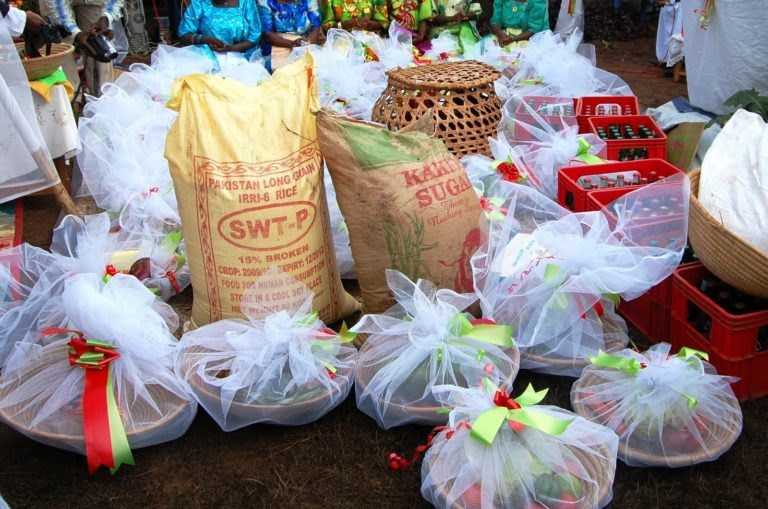
Traditional marriage practices among the Igbo people of Nigeria are culturally rich and socially significant. Central to these practices is bridewealth, locally called Ime Ego, a culturally rooted exchange that symbolizes respect, family consent, and communal acceptance of a marital union. While Ime Ego is widely recognized across different parts of Igboland, its practice and symbolic emphasis vary among sub-regions, notably between northern Igbo subgroups (e.g., Waawa) and the southern Igbo communities. This essay explores these differences, placing Ime Ego within Igbo cultural norms and highlighting variations shaped by geography, dialect, community values, and shifting modern influences.
The written record
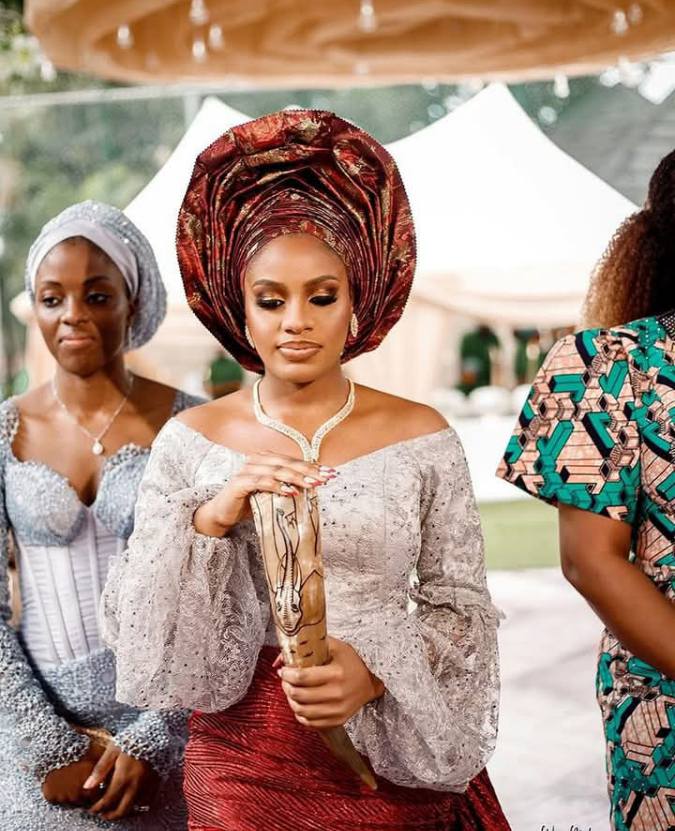
The Igbo are one of the major ethnic groups in southeastern Nigeria, numbering around 20 million and living in a region that spans several states including Anambra, Enugu, Imo, Ebonyi, and Abia. Historically, the Igbo were not a centralized polity but rather a collection of autonomous communities with shared language and cultural practices, including Omenala (traditional norms) and marriage rituals. Within this broad group, there exists cultural diversity; scholars recognize several subcultural divisions such as northern Igbo (for example, Waawa), southern Igbo, eastern, western, and others, each with unique dialects and cultural nuances
Historical context
These geographical and cultural variations naturally influence social practices including marriage. Whereas the core elements of Igbo marriage are widely shared, the details of Ime Ego, including its negotiation, payment, and symbolic items, reflect local values and social structures.
The Role of Ime Ego in Igbo Marriage
In Igbo culture generally, Ime Ego represents the stage of marriage where the groom delivers the bridewealth to the bride’s family as part of formalizing the union. It is rooted in respect for family and community and is not intended to “purchase” the bride but to honor her upbringing and legitimize the marriage. Across most Igbo communities, Ime Ego is followed by Igba-Nkwu (wine-carrying ceremony), which publicly affirms marriage in the presence of family and community.
Bridewealth typically includes money and culturally symbolic items such as kola nuts, palm wine, livestock, cloth wrappers, yams, and other gifts. While the cash component is often modest, for instance, amounts as low as ₦20–₦40. Historically much of the ritual significance lies in the list of material goods brought by the groom’s family. These goods demonstrate respect for the bride’s family and serve social functions including communal celebration.
Although this framework is shared widely across Igboland, the practice of Ime Ego is not uniform. Variations arise from subcultural traditions, local power structures, and economic factors, particularly when comparing northern Igbo areas against southern Igbo areas.
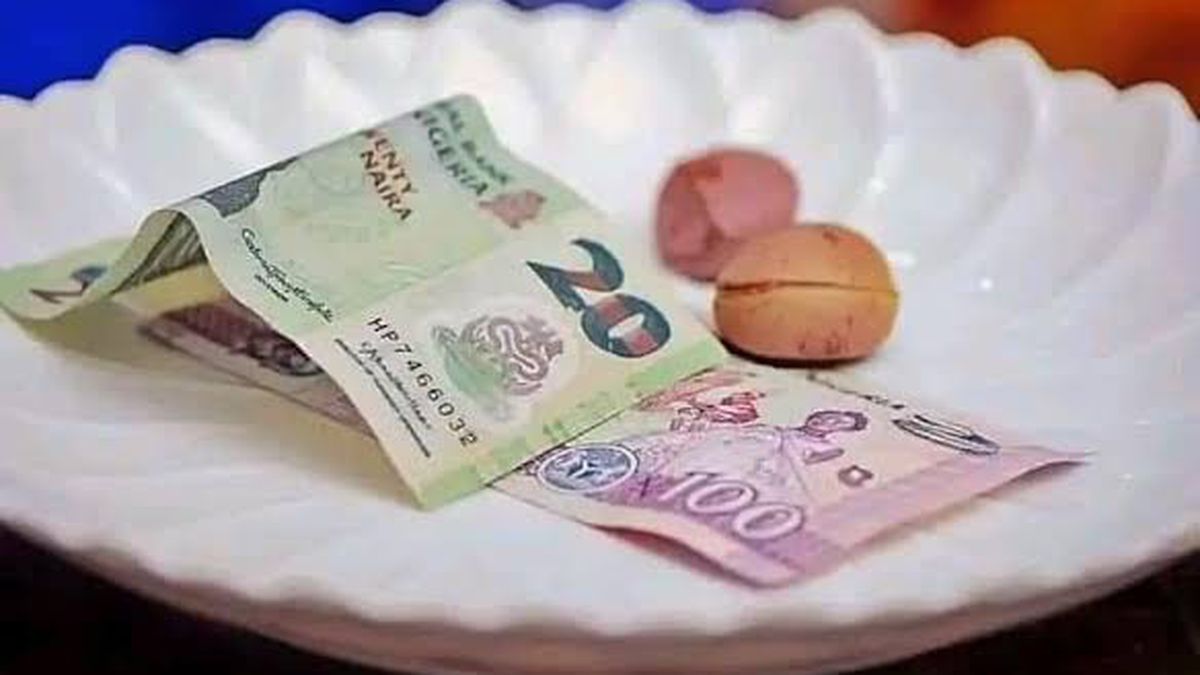
Credits: Tiktok/_gigibby
Northern Igbo (e.g., Waawa) Ime Ego Practices
The Waawa subgroup, representing some northern Igbo communities (for example in parts of Enugu and Ebonyi), speaks a distinct Igbo dialect and possesses specific cultural identities within the broader Igbo ethnic mosaic. While academic literature that focus exclusively on northern Igbo marriage practices remains limited, several general features offer insight:
Simplified Negotiation and Symbolism: In northern Igbo customs such as those practiced by Waawa communities, negotiations for Ime Ego tend to emphasize community reputation and mutual respect more than exhaustive item lists. These subgroups often place heavier emphasis on verbal and ritual affirmation of union than on large material exchange (inferred from general ethnographic accounts of Igbo subcultural variations).
Smaller Material Lists: Some northern Igbo communities historically prioritized symbolic items over extensive material lists compared to certain southern groups; this reflects traditionally smaller scale storied items in bridewealth lists and community negotiations aimed at being accessible rather than commercially burdensome.
Community Participation: Northern Igbo Ime Ego involves broader participation from male elders and community representatives, underscoring marriage as a communal pact rather than a transaction between nuclear families. This mirrors Ime Ego practices across Igboland but can be particularly emphasized in the Waawa social structure, where elder consensus plays an important role. Because most academic research to date aggregates Igbo marriage practices, we must cautiously note that specific ethnographic research focusing strictly on northern vs southern differences in Ime Ego remains sparse. However, general cultural patterns suggest that northern subgroups maintain traditional Ime Ego with heavier emphasis on verbal negotiation and family honor, while muting elaborate modern material lists often seen elsewhere.
In contrast, southern Igbo groups, especially those in areas like Ideato South and the Ikwuano region of Abia State, have widely documented cultural practices that tie Ime Ego closely with elaborate material and ritual lists. Some communities have historically detailed lists reflecting not only cash but livestock, cloth, household goods, and extensive symbolic gifts, which are negotiated publicly between families. For example, Ikwuano brides are reported in local media to have some of the costliest bride prices in Igboland, reflecting strong emphasis on material items.
Southern Igbo Ime Ego practice may also involve mother’s money (Ego-Nne), an honor token given to the bride’s mother for raising her. Receiving this token publicly is a mark of respect and appreciation for maternal contribution. Although similar tokens may occur in northern Igbo customs, the southern emphasis on multiple distinct gift categories and symbolic exchanges often results in larger, more complex negotiations.
Comparative Dimensions Across Regions
While Ime Ego remains a shared cultural anchor across Igbo society, certain distinguishing dimensions emerge:
- Material Complexity: Southern Igbo bridewealth lists are often more extensive and elaborate than those in many northern Igbo communities, involving a diversity of symbolic items beyond cash (e.g., livestock, foodstuffs, cloth, etc.).
- Negotiation Style: Western and southern Igbo communities may engage in longer, more public bargaining sessions over Ime Ego lists, whereas some northern Igbo subgroups emphasize collective conciliation and tribal elder guidance with less public haggling (based on general patterns of community governance in subcultures).
- Symbolism vs Burden: In many southern areas, modern interpretations of Ime Ego increasingly see bridewealth lists as financial burdens or status markers, a trend noted in broader Igbo marriage literature. This can contrast with northern communities where the bridewealth remains symbolic and less transactional, prioritizing family reputation and social endorsement over high monetary or material valuation.
Contemporary shifts driven by economic pressures, formal education, Christianity, and intermarriage impact Ime Ego across regions. Some communities increasingly reduce material demands to avoid financial strain, while others maintain traditional lists as a means of cultural continuity. In the face of modern divorce implications, Ime Ego continues to carry legal and social weight; traditional customs sometimes require the return of bridewealth upon dissolution as a formal ending of marital bonds.
Although Ime Ego is universally significant across Igboland, regional variation between northern and southern Igbo groups illustrates how subcultural dynamics shape specific practices in bridewealth negotiation and execution. Northern Igbo subgroups such as Waawa often emphasize symbolic and communal aspects with fewer material demands, while southern groups may feature more elaborate, material-oriented lists reflecting local social expectation and cultural emphasis. Ultimately, Ime Ego remains a symbolic expression of respect, community acknowledgment, and family cooperation in marriage across all Igbo regions, even as the form it takes evolves with time, economy, and modern values.
Sources and references
- Anyanwu, P. U. (2025). Marriage Bride Price as a Woman Authority and the Implication of Non-Payment of Bride Price in Mbaise. ODEZURUIGBO Journal.
- Biography.igbopeople.org. (2025, May 7). Bride Price in Igbo Culture – Tradition, Pride, or a Financial Burden?
- Igbo Genealogy & Biographies. Britannica. (2026). Igbo people: Culture, lifestyle, & facts.
- Encyclopedia Britannica. pulse.ng. Igba Nkwu: All You Need to Know About the Igbo Traditional Marriage.
- Pulse Nigeria beingafrican.org. Igbo Marriage Practices.
Cite this article
Continue reading
Related histories
 Cultural HeritageEleven Days of Nwafor Ogidi: Inside the Festival Keeping an Old Igbo Tradition AliveRead history →
 Cultural HeritageIli Ji Nkpor Obododike: The Indigenous Agricultural Ritual CycleRead history →
 Cultural HeritageMusic and Drum Traditions: Tracing the “Igbo Drum” in the AmericasRead history →
No comments yet
Nothing has been approved on this record yet. Comments are checked by an editor before they appear, so one written now shows on this page after that check.